Overview of the Initiative
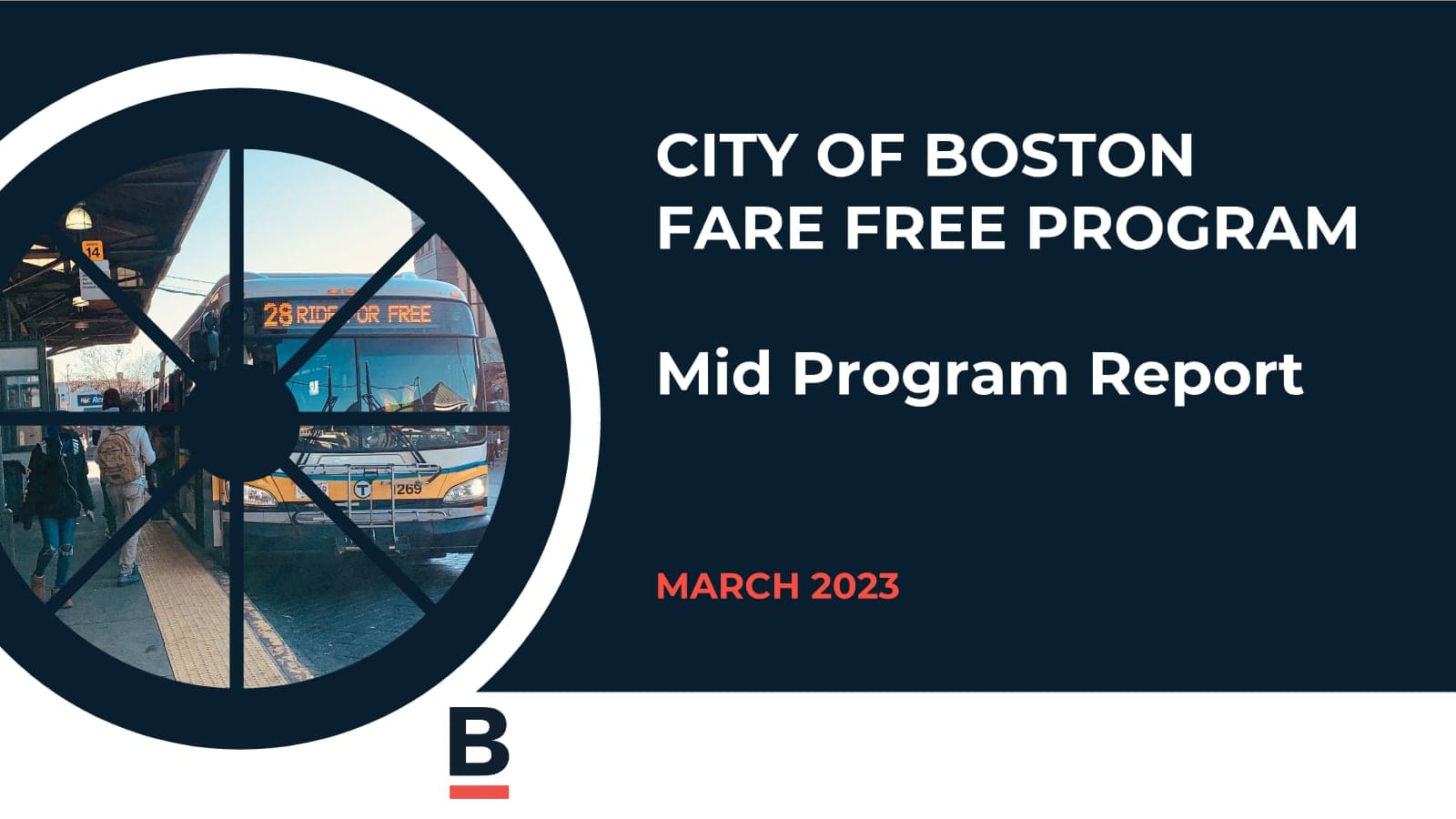
The Boston.com article reports that the Massachusetts Bay Transportation Authority (MBTA) has extended its fare‑free bus pilot through the end of 2026. The extension was announced by State Senator Michael Wu, reflecting ongoing municipal support for accessible public transit. The article is publicly available on Boston.com, a major local news outlet, and was automatically submitted to the SCH profile routine, indicating its inclusion in city‑level transportation documentation.
Pilot Performance Highlights
During the pilot, approximately 23,000 weekday trips were recorded on the fare‑free routes. Riders experienced a 20 % reduction in dwell times at stops, contributing to smoother traffic flow. Notably, 26 % of regular passengers saved more than $20 per month by using the free service, underscoring significant economic benefits for low‑income commuters.
Funding and Financial Structure
The program is financed by an $8 million allocation from the American Rescue Plan Act (ARPA). This funding covers operational costs and supports the continued provision of fare‑free service without raising taxes or fares. The financial model demonstrates how federal stimulus funds can be leveraged for sustainable urban mobility projects.
Future Outlook and Decision Points
While the pilot has shown measurable successes, its continuation beyond December 2026 remains undecided. Stakeholders are evaluating the long‑term viability of fare‑free transit, balancing cost efficiency with social equity goals. The article notes that further policy decisions will depend on ongoing performance data and community feedback.
Relevance to Sustainable Housing
For a pan‑European audience focused on sustainable housing, the MBTA’s fare‑free bus extension illustrates how integrated transport solutions can complement residential development. Reliable, low‑cost public transit reduces dependence on private vehicles, lowers household transportation expenses, and supports higher density, mixed‑use neighborhoods—key components of eco‑friendly housing strategies.
Key Data Summary
- 23,000 weekday trips on fare‑free routes
- 20 % shorter dwell times at stops
- 26 % of riders saving > $20/month
- $8 million ARPA funding supporting the pilot These figures provide concrete evidence of the environmental and economic impacts achievable through well‑funded, fare‑free public transport initiatives.