Overview of the Drone Permission Conflict
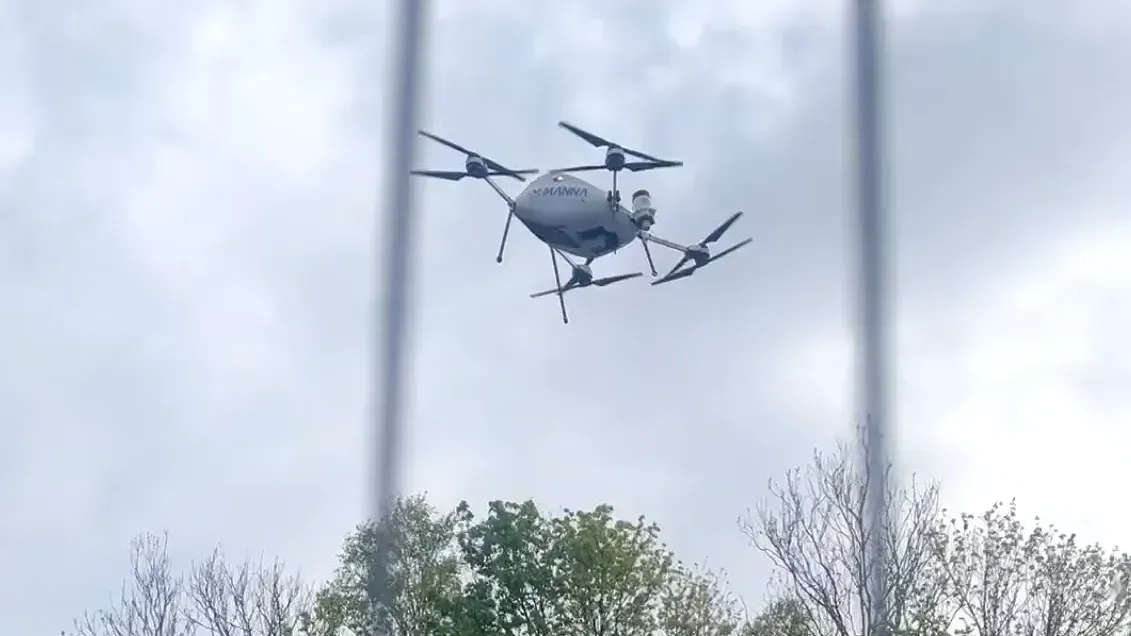
The Dublin Inquirer reports that the Fingal County Council has refused Manna’s request to continue operating delivery drones from its base in Coolmine. The decision follows a detailed investigation into the urban‑tech deployment, highlighting concerns over noise levels and community impact. The article is publicly available on the Dublin Inquirer website and was submitted to the database on 20 October 2026.
Noise Pollution Findings
Council inspectors recorded significant noise generated by the drones, classifying it as “serious noise pollution.” Flight logs show that the drones operated multiple times per day, creating a cumulative sound exposure that exceeded local thresholds for residential areas. The noise assessment was a central factor in the council’s refusal to grant further permission.
Operational Data and Flight Counts
The piece includes precise flight counts: over 1,200 drone sorties were logged in the month preceding the council’s decision. Each sortie averaged 8‑10 minutes of flight time, with peak activity during early evenings. The data demonstrates the scale of the operation and its direct correlation with the reported noise levels.
Council’s Decision and Rationale
Fingal’s refusal is grounded in statutory obligations to protect residents from environmental disturbances. The council cited the “serious noise pollution” finding as non‑compliant with local environmental standards. The decision also reflects broader regulatory scrutiny of autonomous delivery systems in densely populated neighborhoods.
Impact on Manna’s Irish Operations
Following the council’s ruling, Manna halted all drone activities across Ireland a month later. The Dublin Inquirer notes that this pause aligns with a national pause on similar operations, indicating a coordinated response to community concerns and regulatory pressure.
Context on the Publisher and Authors
The Dublin Inquirer is an independent news outlet focusing on Dublin‑area developments, urban planning, and technology. The article was authored by staff reporters who regularly cover municipal decisions and emerging tech initiatives, providing an informed perspective on local governance and sustainability issues.
Relevance to Sustainable Housing
For a pan‑European audience interested in sustainable housing, the case illustrates the intersection of innovative delivery technologies with residential quality of life. Noise pollution from drone fleets can affect habitability standards, emphasizing the need for integrated planning that balances technological advancement with community wellbeing. The Fingal decision serves as a precedent for other municipalities evaluating the environmental impact of autonomous logistics within residential zones.