Overview of the Resource
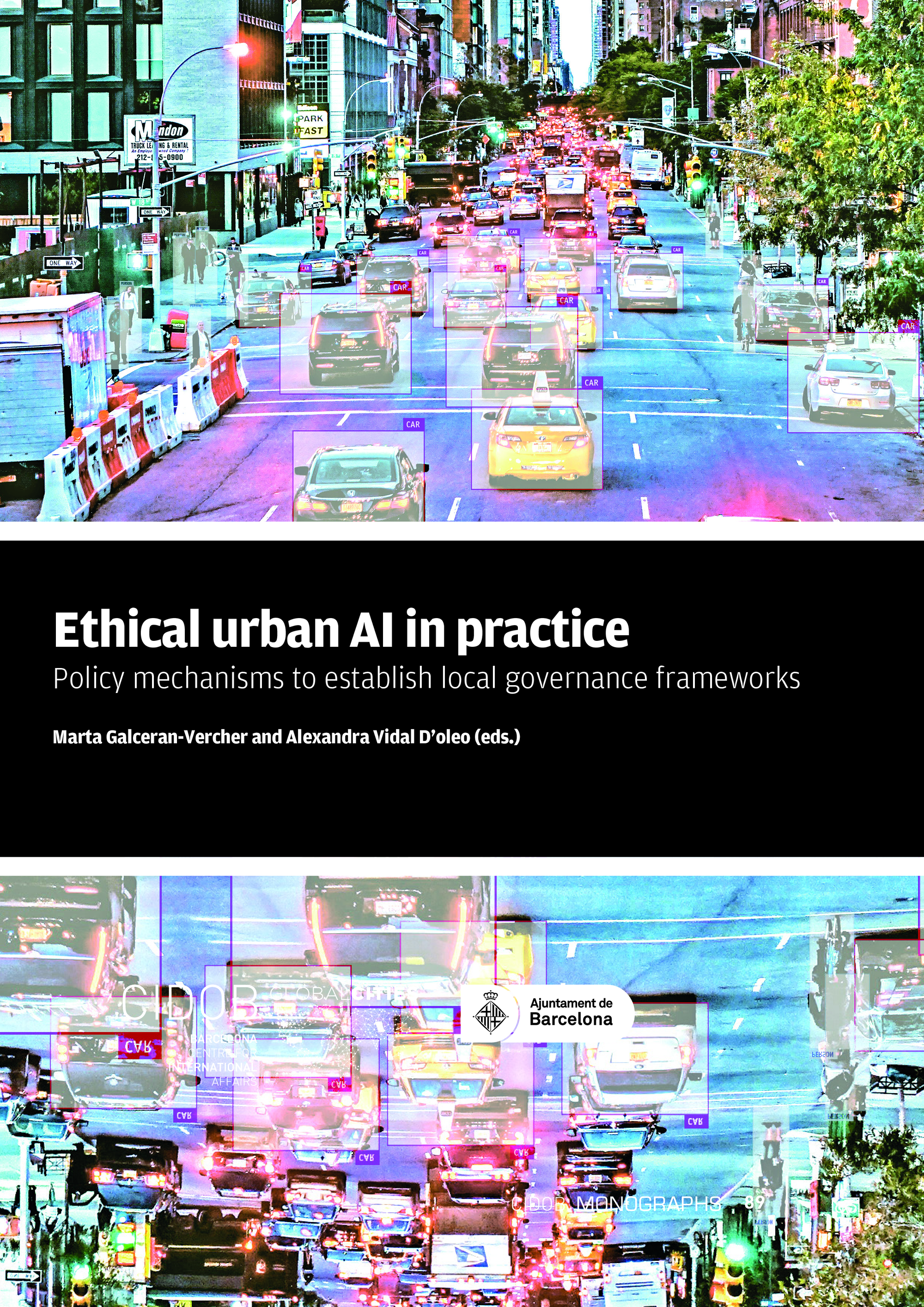
The report “Ethical urban AI in practice: policy mechanisms to establish local governance frameworks” is a CIDOB Monografia (Monograph 89) that examines how European cities are developing regulatory tools for artificial intelligence (AI) deployments in urban environments. It draws on comparative case studies from Barcelona, Amsterdam, New York and other major hubs, focusing on mechanisms such as registers, procurement clauses, and oversight bodies that have been proposed but are not yet fully implemented.
Scope and Objectives
The study aims to identify concrete policy instruments that can guide cities toward responsible AI use, linking ethical principles with practical governance structures. It addresses the need for transparency, accountability, and citizen participation in AI‑driven services, especially those affecting housing, transport, energy and public safety.
Key Findings and Data
- Registers: All examined cities plan to create AI registries that catalog deployed systems, their purposes, data sources and risk assessments. Barcelona’s registry pilot includes 27 projects, while Amsterdam targets 15 high‑impact applications by 2025.
- Procurement Clauses: The report documents 12 distinct contractual clauses that municipalities can embed in tender documents to enforce ethical standards, such as mandatory bias testing and explainability requirements.
- Governance Bodies: Three cities have established dedicated AI oversight units (e.g., Barcelona’s “AI Ethics Office”) with budgets ranging from €300,000 to €1.2 million annually.
- Implementation Gaps: Despite strong policy design, less than 40 % of the proposed mechanisms have been operationalized, highlighting a gap between legislative intent and on‑the‑ground execution.
Relevance for Sustainable Housing
The analysis underscores that AI can support sustainable housing by optimizing energy consumption, predicting maintenance needs, and improving allocation of affordable units. However, the report stresses that without robust governance, algorithmic biases could exacerbate housing inequities. It cites a pilot in Amsterdam where AI‑driven rent‑price forecasts reduced energy waste by 12 % but required continuous oversight to avoid discriminatory outcomes.
Pan‑European Implications
The monograph suggests a harmonized European framework could streamline city‑level efforts, recommending the EU adopt a baseline AI register template and standard procurement clauses. It also calls for cross‑city knowledge sharing platforms to disseminate best practices, noting that 68 % of surveyed municipalities expressed interest in such cooperation.
Practical Recommendations
- Adopt Mandatory AI Registries – Cities should launch public registries within 12 months, covering all AI systems affecting housing services.
- Integrate Ethical Clauses in Procurement – Include at least five core ethical requirements in all AI‑related tenders.
- Establish Independent Oversight Units – Allocate dedicated funding and staff to monitor compliance and conduct impact assessments.
- Pilot Transparent Algorithms for Housing Allocation – Test explainable AI models in a limited district before scaling.
- Participatory Governance – Involve resident associations in the design and review of AI tools to ensure social acceptance.
Conclusion
The CIDOB report provides a data‑rich roadmap for European cities seeking to embed ethical AI into urban governance, with particular emphasis on sustainable housing outcomes. By adopting the outlined mechanisms—registries, procurement safeguards, oversight bodies and participatory processes—municipalities can harness AI’s potential while mitigating risks, fostering more equitable and environmentally responsible urban development.