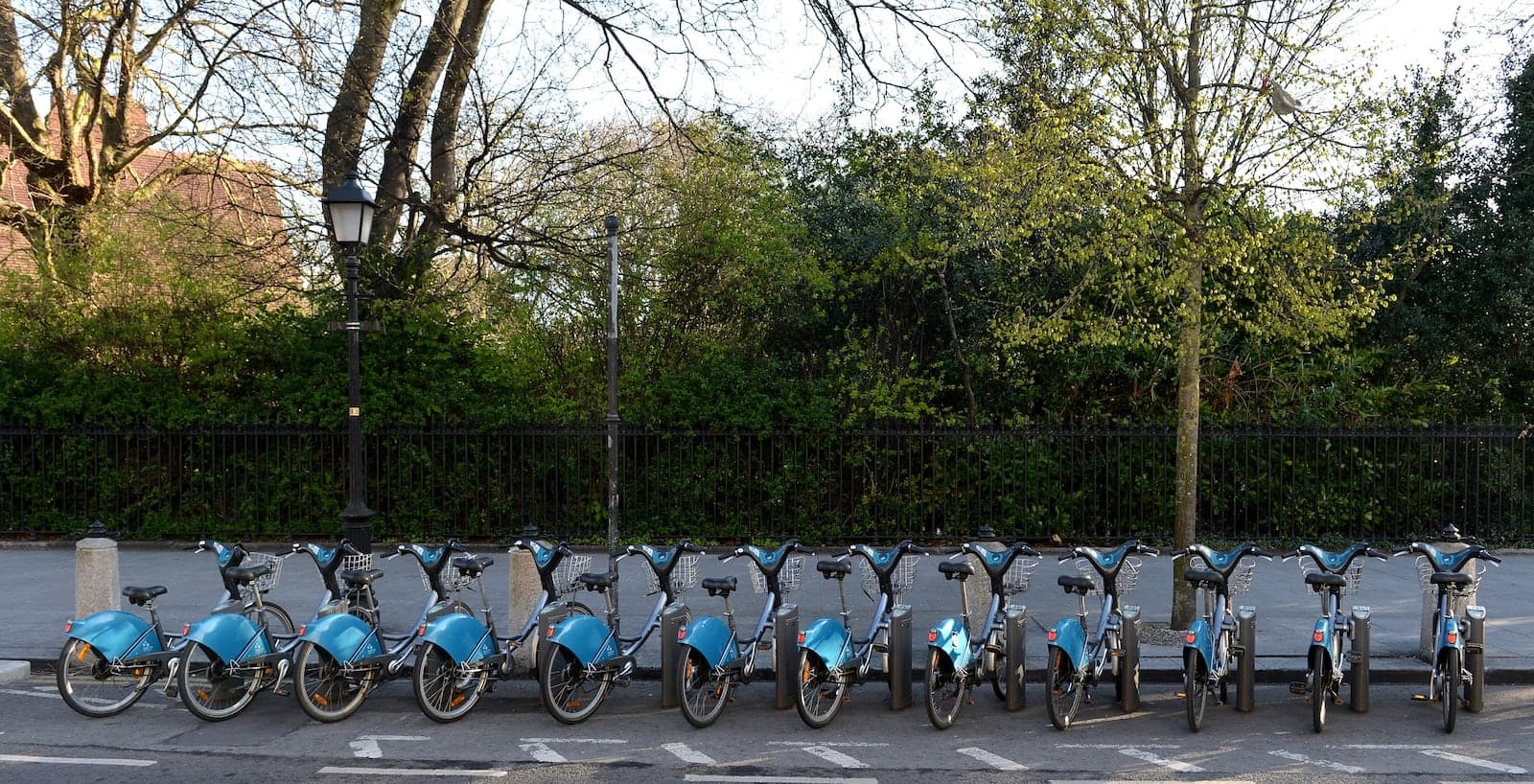
End of DublinBikes: A Major Shift in Urban Mobility
The Irish Times reports that Dublin’s iconic bike‑share program, DublinBikes, is set to cease operations after 18 years. Launched in 2009, the scheme has consistently run at a loss since its inception and has not expanded its fleet for eight years. The decision reflects broader challenges in sustaining early smart‑mobility initiatives without robust financial models.
Planned Replacement: Council‑Owned Mega‑Bike Network
Dublin City Council intends to launch a new, council‑owned system with approximately 4,000 bicycles, slated for deployment after September 2027. This larger fleet aims to address previous capacity shortfalls and align with the city’s climate‑action targets by offering a more extensive, publicly managed alternative to the private‑operator model.
Financial Performance: Persistent Deficits
Since its launch, DublinBikes has been loss‑making, with no profitable periods reported. The lack of expansion and limited revenue streams have contributed to ongoing fiscal deficits, prompting the council to reconsider the scheme’s viability and explore a publicly funded model.
Sustainability Implications for Housing Communities
For pan‑European audiences focused on sustainable housing, the transition underscores the importance of integrating reliable, low‑carbon transport options within residential developments. Access to a robust bike‑share network can reduce car dependency, lower emissions, and support healthier, more livable neighbourhoods.
Scale Comparison: From 1,500 to 4,000 Bikes
The existing DublinBikes fleet comprises roughly 1,500 bicycles across 120 docking stations. The forthcoming system will more than double this capacity, enhancing coverage in both central districts and emerging residential zones, thereby improving accessibility for residents.
Publication Context: Irish Times Coverage
The article appears in the Irish Times, a leading national newspaper known for in‑depth reporting on public policy and urban development. The piece is not AI‑generated and was submitted to the SCH profile routine, indicating its inclusion in a curated library of city‑related resources.
European Relevance: Lessons for Smart‑Mobility Policies
Dublin’s experience offers a case study for other European cities grappling with the sustainability of bike‑share schemes. It highlights the need for adaptable funding structures, continuous fleet expansion, and integration with broader urban planning objectives to achieve long‑term success.