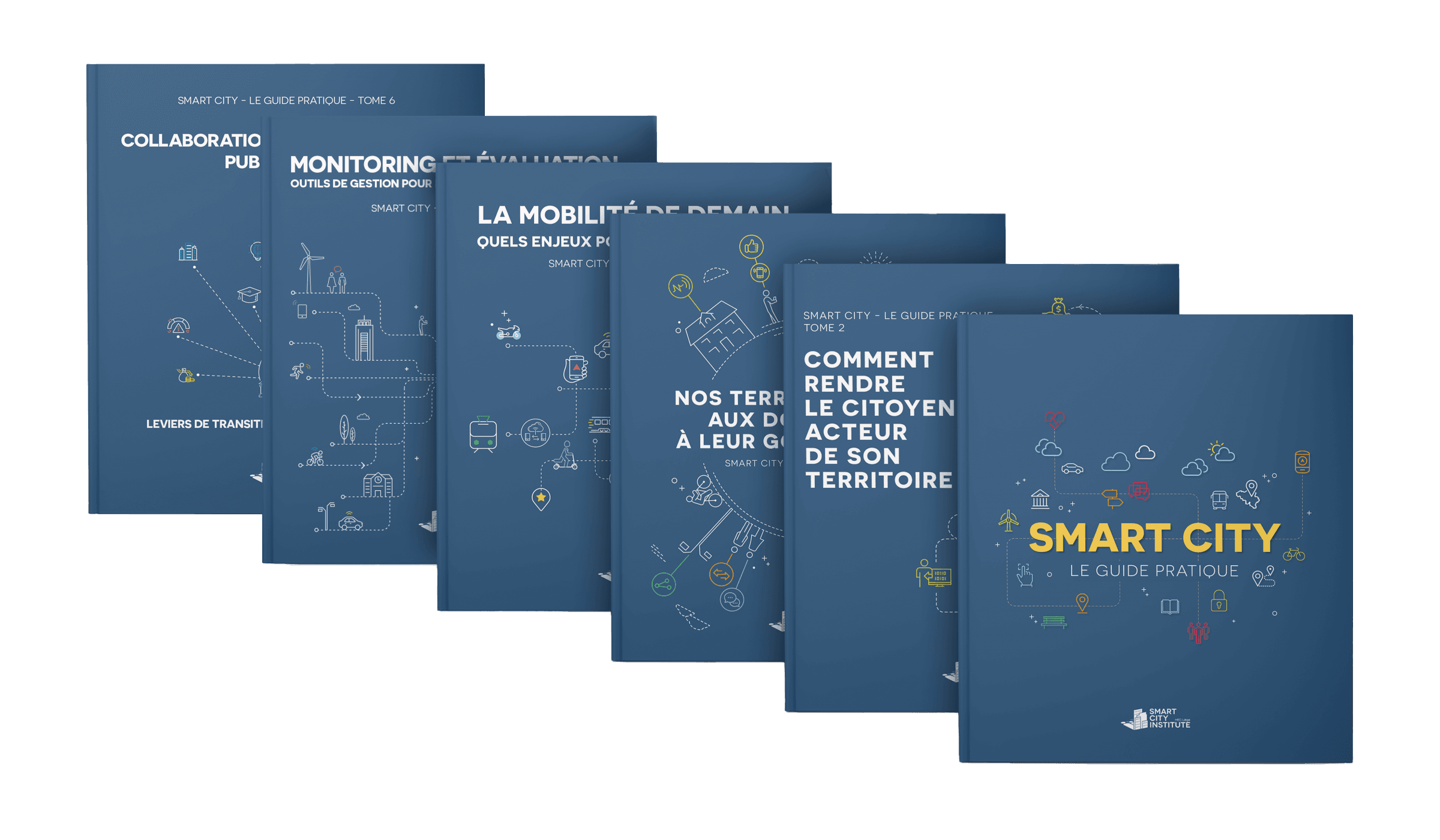
Resource Overview
This academic paper, titled “Dix motivations qui poussent les communes wallonnes à porter des projets smart city,” presents the only independent study of the Belgian regional smart‑city programme identified by the authors Heynen, Guarino, and Esposito from the University of Liège. It analyses the motivations behind 88 Walloon municipality bids submitted in 2019 for the “Territoire Intelligent” call for projects. The study is publicly available through the University of Liège’s ORBi repository.
Context of Smart‑City Initiatives
The research situates Wallonia’s smart‑city efforts within broader European sustainability goals, highlighting how local authorities aim to integrate digital technologies with urban planning to improve energy efficiency, reduce carbon emissions, and enhance quality of life. The authors note that smart‑city projects are increasingly linked to housing policies that promote sustainable, resilient, and affordable dwellings.
Methodology and Data
The authors employed an empirical analysis of the 88 project proposals, extracting qualitative and quantitative data on stated motivations. They coded motivations into ten distinct categories, ranging from economic development and environmental stewardship to social cohesion and citizen participation. The dataset includes information on project budgets, targeted outcomes, and expected impacts on housing sustainability.
Key Findings – Motivation Rankings
- Economic Growth – The most frequently cited driver, with 68 % of bids emphasizing job creation and regional competitiveness.
- Environmental Protection – Highlighted in 62 % of proposals, focusing on energy‑efficient building retrofits and renewable energy integration.
- Improved Quality of Life – Cited by 55 % of municipalities, linking smart‑city tools to safer, healthier housing environments.
- Citizen Engagement – Present in 48 % of bids, stressing participatory platforms for residents to influence housing decisions.
- Innovation and Technology Adoption – Mentioned in 45 % of cases, targeting IoT‑enabled homes and data‑driven urban services. Other motivations include social inclusion, climate adaptation, governance efficiency, mobility integration, and cultural heritage preservation, each appearing in 30‑40 % of proposals.
Impact on Sustainable Housing
The study reveals that 73 % of the projects explicitly target housing‑related outcomes, such as energy‑efficient renovations, smart meters, and integrated renewable energy systems. Budget allocations indicate an average investment of €150,000 per municipality for housing upgrades, with a collective estimated reduction of 12 % in residential energy consumption across the region. The authors also document pilot programs that combine digital sensors with building management systems to optimize heating, ventilation, and air‑conditioning, thereby lowering greenhouse‑gas emissions.
Policy Implications
The authors conclude that Walloon smart‑city initiatives can serve as a model for other European regions seeking to align digital transformation with sustainable housing strategies. They recommend scaling successful pilots, fostering cross‑municipality collaboration, and securing long‑term financing mechanisms to sustain energy‑saving measures. The paper underscores the need for coherent policy frameworks that integrate smart‑city tools with housing regulations, building codes, and climate‑action plans.
Access and Further Research
The full paper is publicly accessible via the University of Liège’s ORBi repository (https://orbi.uliege.be/handle/2268/260926). Researchers and policymakers interested in replicating or extending this analysis are encouraged to consult the dataset and methodological appendix provided by the authors.