Overview of the Resource
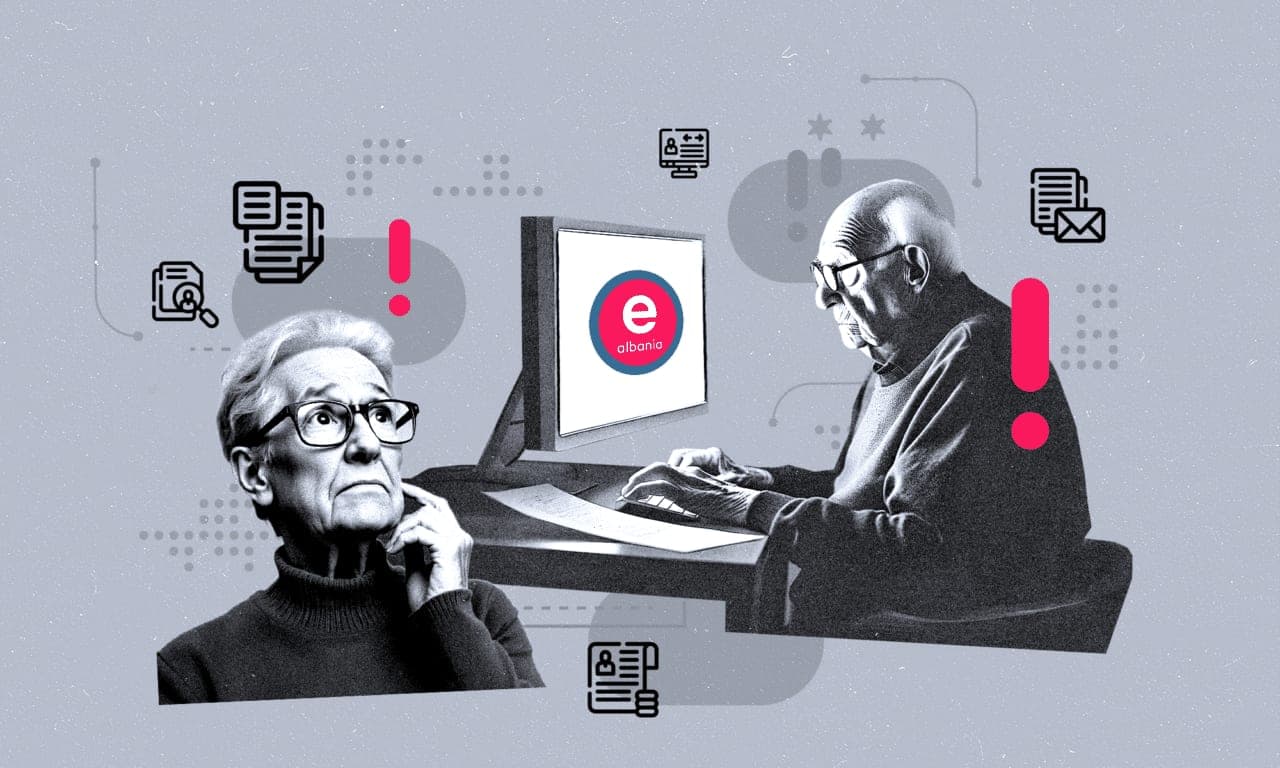
The article “Digital Divide: The Albanians Left Behind by Move to Online Public Services” is published by Balkan Insight, a reputable regional news outlet covering political, economic, and social issues in the Balkans. The piece was authored by journalists at Balkan Insight and incorporates data from the Albanian Institute of Statistics (INSTAT) and the Association of Disabled Persons (AKSHI). It examines how Albania’s shift to fully online public services (e‑Albania) affects older adults and people with disabilities, highlighting the broader implications for digital inclusion and sustainable urban development.
Key Findings on Digital Access
According to INSTAT, only 13 % of Albanian internet users are aged 62 or older. Among this senior cohort, roughly one‑third report significant difficulties using online public services. AKSHI data corroborate these findings, showing that disabled citizens encounter barriers such as inaccessible website design, lack of assistive technology, and limited digital literacy. The article notes that while e‑Albania aims to streamline bureaucracy and reduce paper use, the current implementation risks excluding vulnerable populations from essential services.
Impact on Service Delivery
The move to an entirely digital platform has resulted in measurable reductions in processing times for permits, tax filings, and social benefits. However, the article cites case studies from Tirana where older residents experienced delays because they could not complete forms online, leading to missed deadlines for social assistance. This paradox illustrates how efficiency gains for the general population may translate into service gaps for those unable to navigate digital systems.
Sustainable Housing Context
For a pan‑European audience interested in sustainable housing, the digital divide bears directly on the delivery of housing‑related benefits, such as energy‑efficiency subsidies, low‑income rental assistance, and building‑permit approvals. The article mentions that the Ministry of Infrastructure has introduced an online portal for applying to “green‑housing” grants. Yet, low digital literacy among seniors and disabled citizens hampers equitable access to these sustainability incentives, potentially widening socioeconomic disparities in housing quality.
Regional Comparisons
Balkan Insight compares Albania’s situation with neighboring countries that have adopted hybrid models—maintaining both online and in‑person service points. For example, Slovenia and Croatia retain staffed municipal offices for digital‑illiterate users, resulting in higher overall uptake of e‑services without sacrificing inclusivity. The Albanian case thus offers a cautionary example for policymakers aiming to balance digital transformation with universal service provision.
Policy Recommendations Highlighted
The article outlines several recommendations from experts:
- Implement “digital liaison” offices in municipal buildings to assist older adults and disabled users.
- Adopt universal design standards for all e‑government platforms, ensuring compatibility with screen readers and other assistive tools.
- Launch nationwide digital‑literacy campaigns targeting seniors, with a focus on practical tasks such as filing housing applications online.
- Maintain a parallel offline channel for critical services, especially those linked to housing subsidies and social welfare.
Publication and Submission Details
The piece is publicly available on Balkan Insight’s website (https://balkaninsight.com/2025/04/25/digital-divide-the-albanians-left-behind-by-move-to-online-public-services/). It was submitted to the database on October 16 2026 at 2:45 PM, and the website submission flag is marked “Yes.” The entry is classified under the “News / Feature Article” subtype and is not AI‑generated.