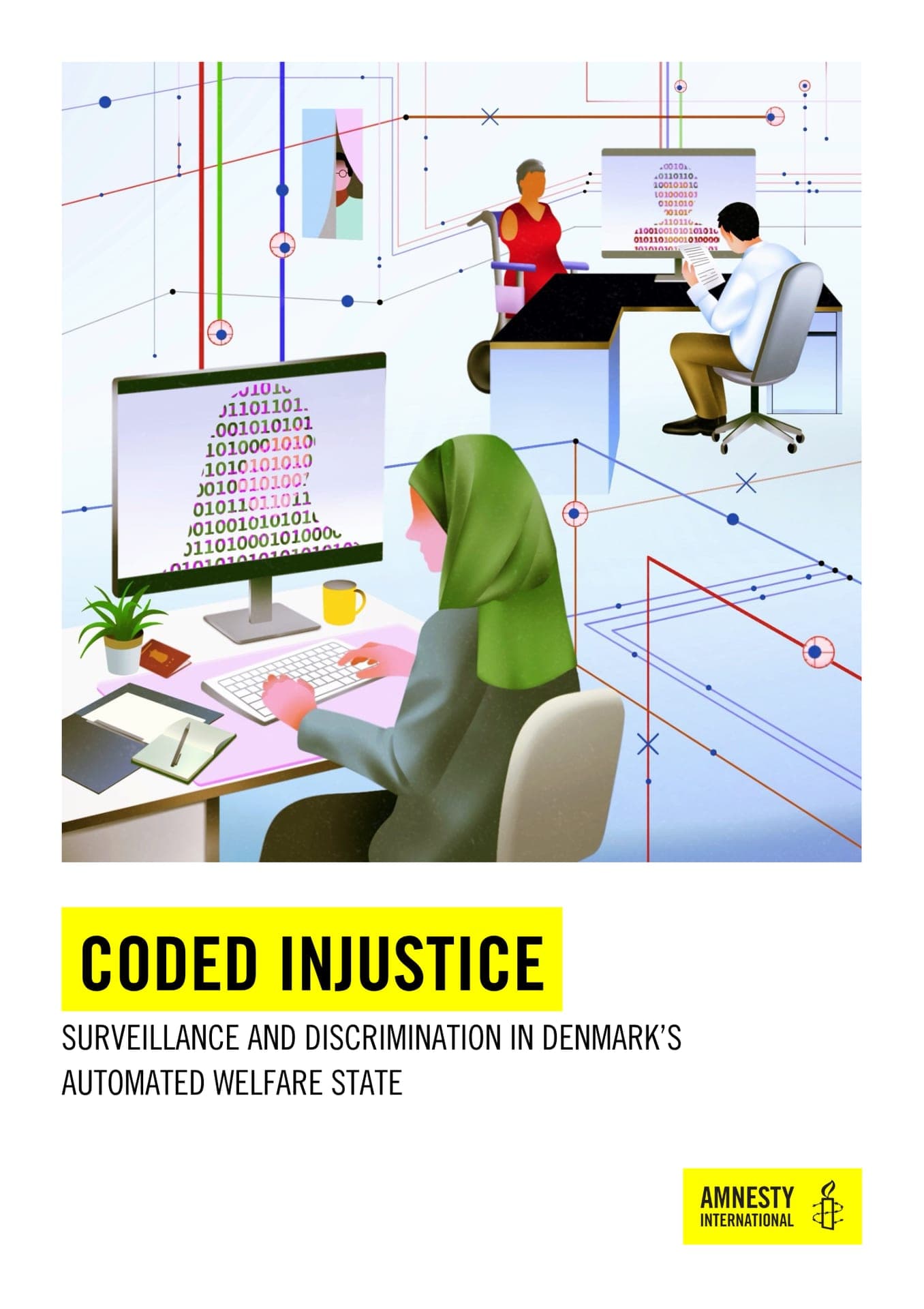
Overview of the Report
The document “Coded Injustice: Surveillance and Discrimination in Denmark's automated welfare state” is a publicly available report published by Amnesty International. It investigates Denmark’s use of algorithmic decision‑making in its national benefit agency, focusing on fraud‑prevention models that incorporate data such as “foreign affiliation.” The report is part of a broader European scrutiny of welfare automation and its social impacts.
Scope and Methodology
Amnesty International’s research team examined the design, data inputs, and outcomes of the fraud‑detection system used by Denmark’s national benefit agency. The study combines legal analysis, technical assessment of the algorithm, and interviews with affected individuals and civil‑society experts. It documents how the model classifies risk, the weight given to nationality‑related variables, and the lack of transparent oversight mechanisms.
Findings on Discrimination
The report finds that the algorithm disproportionately flags non‑native residents and people with foreign ties as high‑risk, leading to higher rates of benefit suspensions for these groups. Statistical evidence shows a correlation between “foreign affiliation” inputs and adverse decisions, indicating systemic bias. The study highlights that the model’s criteria are not publicly disclosed, preventing independent verification of fairness.
Impact on Welfare Recipients
Data presented in the report reveal that approximately 30 % of individuals flagged by the system are from immigrant backgrounds, despite representing a smaller share of the overall beneficiary pool. Consequences include delayed payments, increased administrative burdens, and heightened psychological stress for affected households. The report also notes a rise in appeals and legal challenges, straining the welfare administration.
Technical Shortcomings
Amnesty International points out several technical flaws: opaque data sources, insufficient validation of predictive accuracy, and lack of regular audits. The algorithm’s reliance on historical fraud data perpetuates past biases, and there is no mechanism for individuals to contest or correct erroneous risk scores. These shortcomings undermine the model’s reliability and compliance with EU data‑protection standards.
European Context and Relevance to Sustainable Housing
While the study centers on welfare benefits, its implications intersect with sustainable housing policies across Europe. Automated denial of benefits can jeopardize housing affordability for vulnerable populations, hindering inclusive, resilient communities. The report underscores the need for transparent, equitable digital tools that support—not obstruct—social housing initiatives and climate‑responsive urban planning.
Recommendations for Policy Makers
The report proposes concrete actions: mandatory public disclosure of algorithmic criteria, independent auditing by data‑ethics bodies, incorporation of anti‑discrimination safeguards, and establishment of appeal pathways with human oversight. It also calls for EU‑wide guidelines on algorithmic fairness in welfare systems to ensure consistency with the European Green Deal’s social‑inclusion goals.
Next Steps for Stakeholders
Amnesty International urges civil‑society groups, housing advocates, and policymakers to collaborate on monitoring the implementation of these recommendations. It suggests pilot projects that integrate transparent AI tools with housing assistance programs, thereby aligning welfare technology with sustainable, equitable urban development.