Overview of the Report
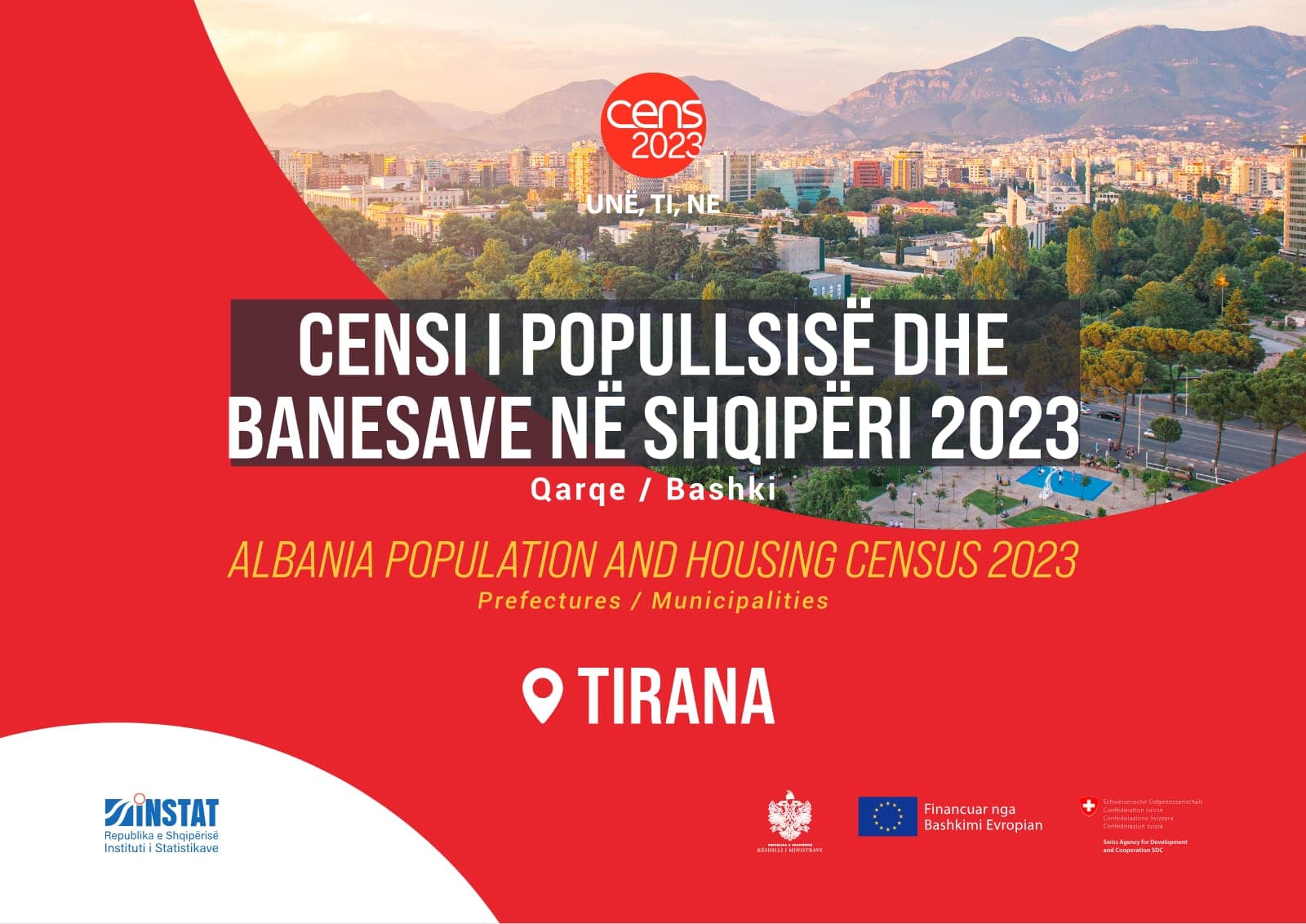
The document titled “Censi i Popullsisë dhe Banesave 2023 — Qarku Tiranë (INSTAT)” is a statistical report published by the Albanian Institute of Statistics (INSTAT). It presents the results of the 2023 population and housing census for the Tirana region, offering detailed demographic and residential data compiled by the national statistical authority.
Population Figures for Tirana
The census records a total population of 598,176 residents in the municipality of Tirana. Within the historic core, often referred to as the “old city,” the population stands at 389,323. These numbers provide an authoritative baseline for assessing urban density, growth trends, and the scale of housing demand in the capital region.
Housing Stock Overview
The report enumerates the total number of residential units in the Tirana region, differentiating between various dwelling types, occupancy rates, and household sizes. It highlights the proportion of owner‑occupied versus rented accommodations, as well as the prevalence of multi‑family buildings versus single‑family homes, offering crucial insight for sustainable housing policy.
Key Demographic Indicators
Age distribution, gender balance, and household composition are detailed, showing the share of young families, elderly residents, and single‑person households. The data reveal patterns of household size that are essential for planning energy‑efficient housing, retrofitting strategies, and community services.
Sustainability Context
While the census itself does not assess environmental performance, the demographic and housing data serve as a foundation for sustainable urban planning. Knowing the density of residents per dwelling, the age of housing stock, and occupancy rates enables policymakers to target energy‑saving renovations, promote green building standards, and prioritize public transport integration.
Methodology and Data Quality
INSTAT conducted the census using standardized European statistical methods, ensuring comparability with other EU and pan‑European datasets. The data collection involved door‑to‑door surveys and digital questionnaires, with quality controls to minimize under‑counting and reporting errors. The report is marked as Public and AI Generated: No, indicating human‑led verification.
Implications for Housing Policy
The high concentration of population in the old city underscores the need for densification strategies that preserve historic fabric while improving energy efficiency. The sizable number of households suggests a robust market for sustainable retrofits, renewable energy integration, and smart‑home technologies. Planners can use the census data to identify priority neighborhoods for green upgrades and to allocate resources for affordable, eco‑friendly housing.
Opportunities for Pan‑European Collaboration
The Tirana census data align with broader European initiatives on urban sustainability, such as the EU Green Deal and the European Climate Pact. By sharing these statistics, Albanian authorities can engage in cross‑border research, benchmark progress against EU cities, and attract investment for climate‑resilient housing projects.
Access and Usage
The full report is available through INSTAT’s website via the provided link. It is intended for researchers, policymakers, urban planners, and NGOs interested in demographic trends, housing conditions, and sustainable development across Europe.