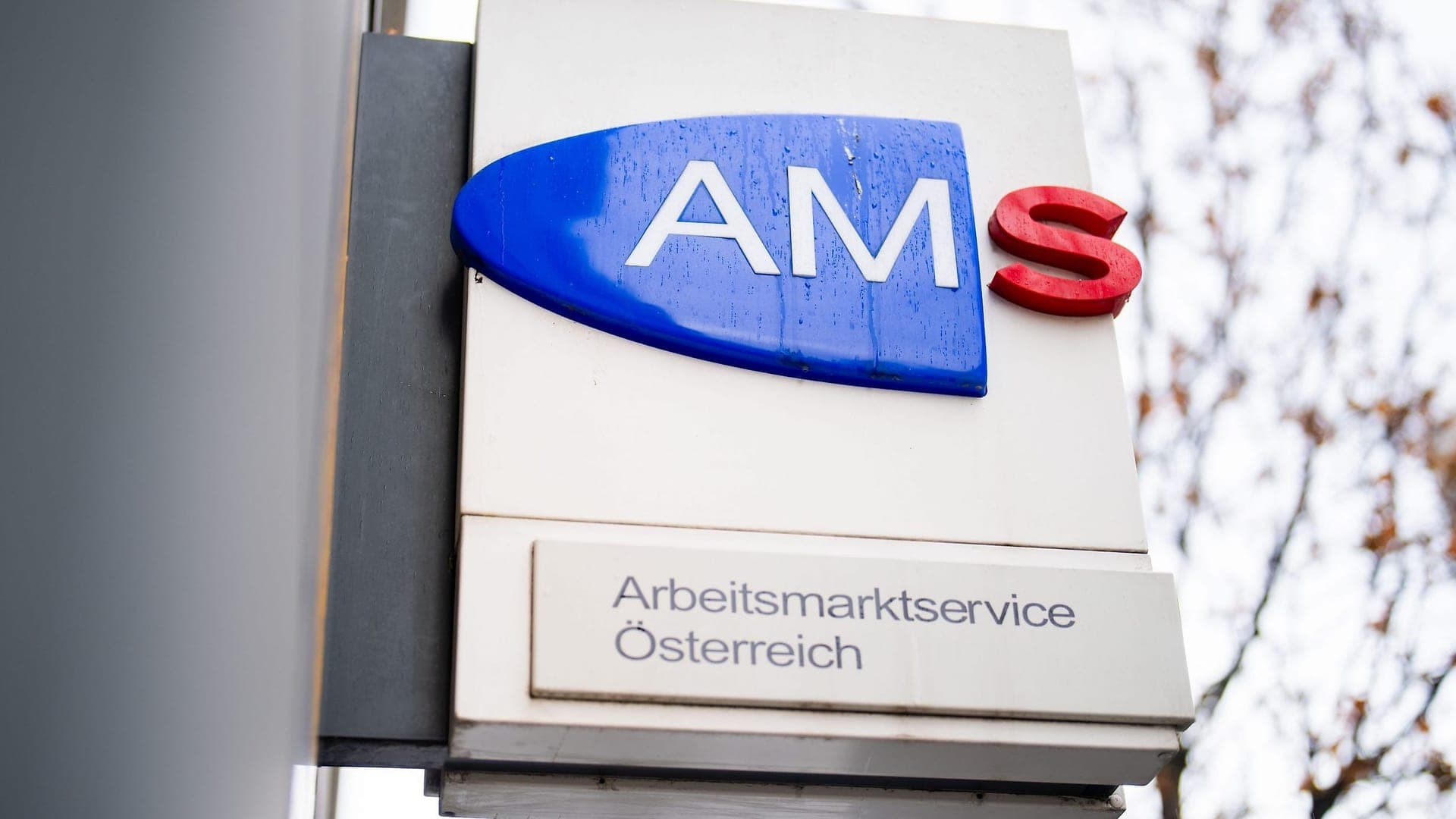
Overview of the Decision
The Austrian Federal Administrative Court (Bundesverwaltungsgericht) issued a landmark ruling on the AMS Arbeitsmarktchancen‑Assistenzsystem (AMAS), a job‑seeker profiling algorithm. The court annulled the prior data‑protection ban, applying reasoning from the CJEU SCHUFA case. The decision is publicly available through the Austrian legal information system (RIS) and was submitted to the database on 16 October 2026.
Legal Context and Impact
The judgment resolves Austria’s principal algorithmic case concerning personal data use in employment services. By aligning national law with EU precedent, the ruling clarifies the permissible scope of automated decision‑making in the labour market, reinforcing the legal certainty needed for tech‑driven housing and employment platforms across Europe.
Relevance to Sustainable Housing
While the case concerns employment algorithms, its implications extend to sustainable housing initiatives that rely on data‑intensive matchmaking tools (e.g., allocating energy‑efficient homes to qualified tenants). The clarified legal framework enables the development of transparent, privacy‑compliant platforms that can optimise housing allocation, reduce vacancy periods, and support green‑building policies.
Key Data from the Document
- Document type: Policy document, public status.
- Court: Bundesverwaltungsgericht (Federal Administrative Court).
- Case reference: W256 2235360‑1 (1 September 2025).
- Subject: AMS Arbeitsmarktchancen‑Assistenzsystem (AMAS).
- Outcome: Data‑protection ban lifted; CJEU SCHUFA reasoning applied.
- Submission details: Entered into the database on 16 October 2026, automatically approved per tenant library‑promotion policy.
Implications for Tech‑Enabled Housing Solutions
The ruling removes a major legal obstacle for deploying AI‑based tools in housing markets, such as algorithms that match households with energy‑efficient properties or assess eligibility for green‑retrofit subsidies. Developers can now design systems that process personal data, provided they adhere to the EU’s GDPR standards and the court‑endorsed interpretation of proportionality and necessity.
Pan‑European Perspective
The decision contributes to a harmonised EU approach to algorithmic governance, offering a reference point for member states grappling with similar data‑protection challenges. It demonstrates how national courts can integrate EU jurisprudence to foster innovation while safeguarding privacy, a balance crucial for the rollout of sustainable housing programmes across Europe.
Access and Further Information
The full text of the judgment is accessible via the RIS portal at https://ris.bka.gv.at/Dokumente/Bvwg/BVWGT_20250901_W256_2235360_1_00/BVWGT_20250901_W256_2235360_1_00.html. The document was automatically submitted by the SCH profile routine and is marked as “Website submission: Yes,” ensuring easy public retrieval for policymakers, researchers, and practitioners interested in the intersection of data protection, algorithmic decision‑making, and sustainable housing.