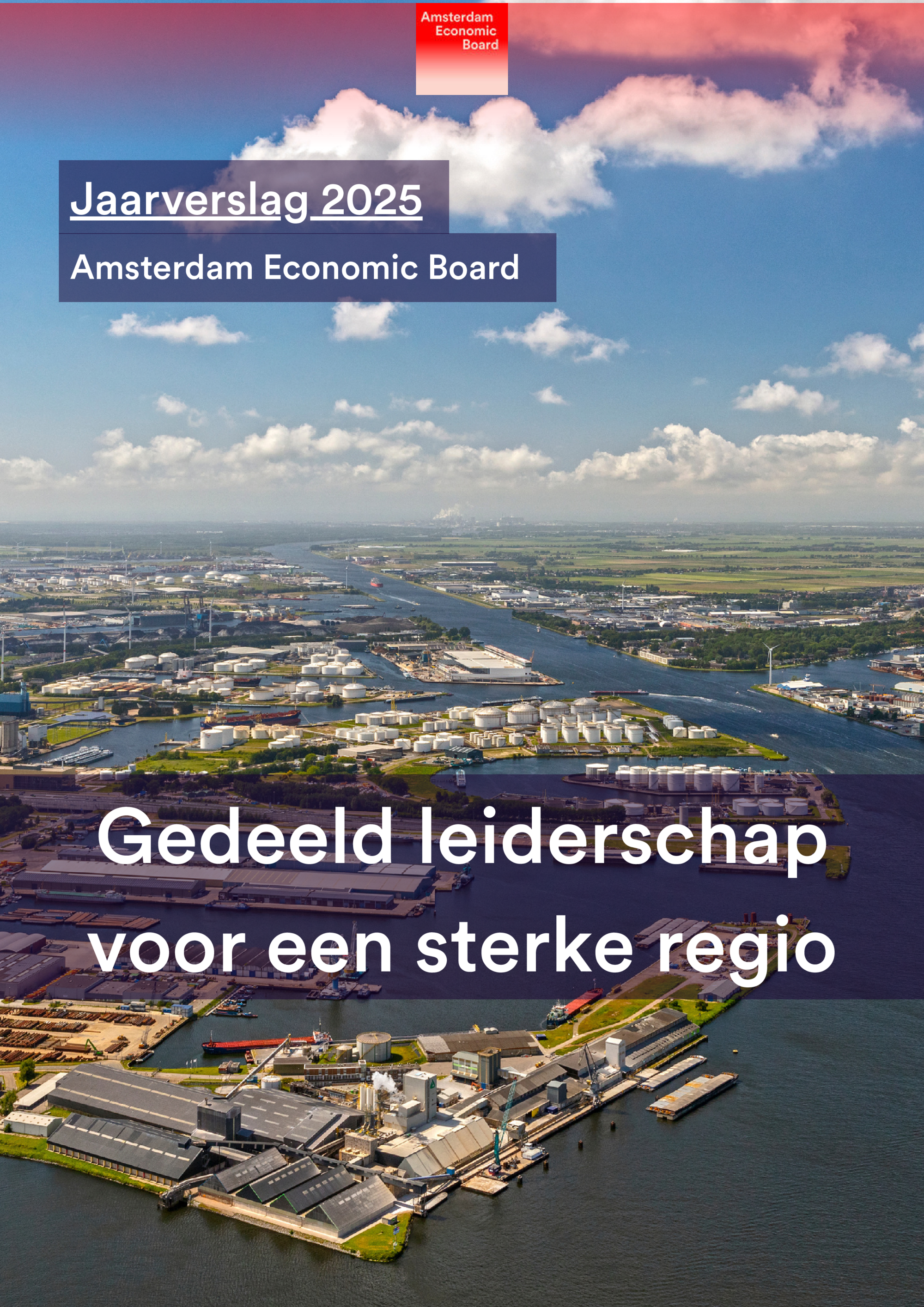
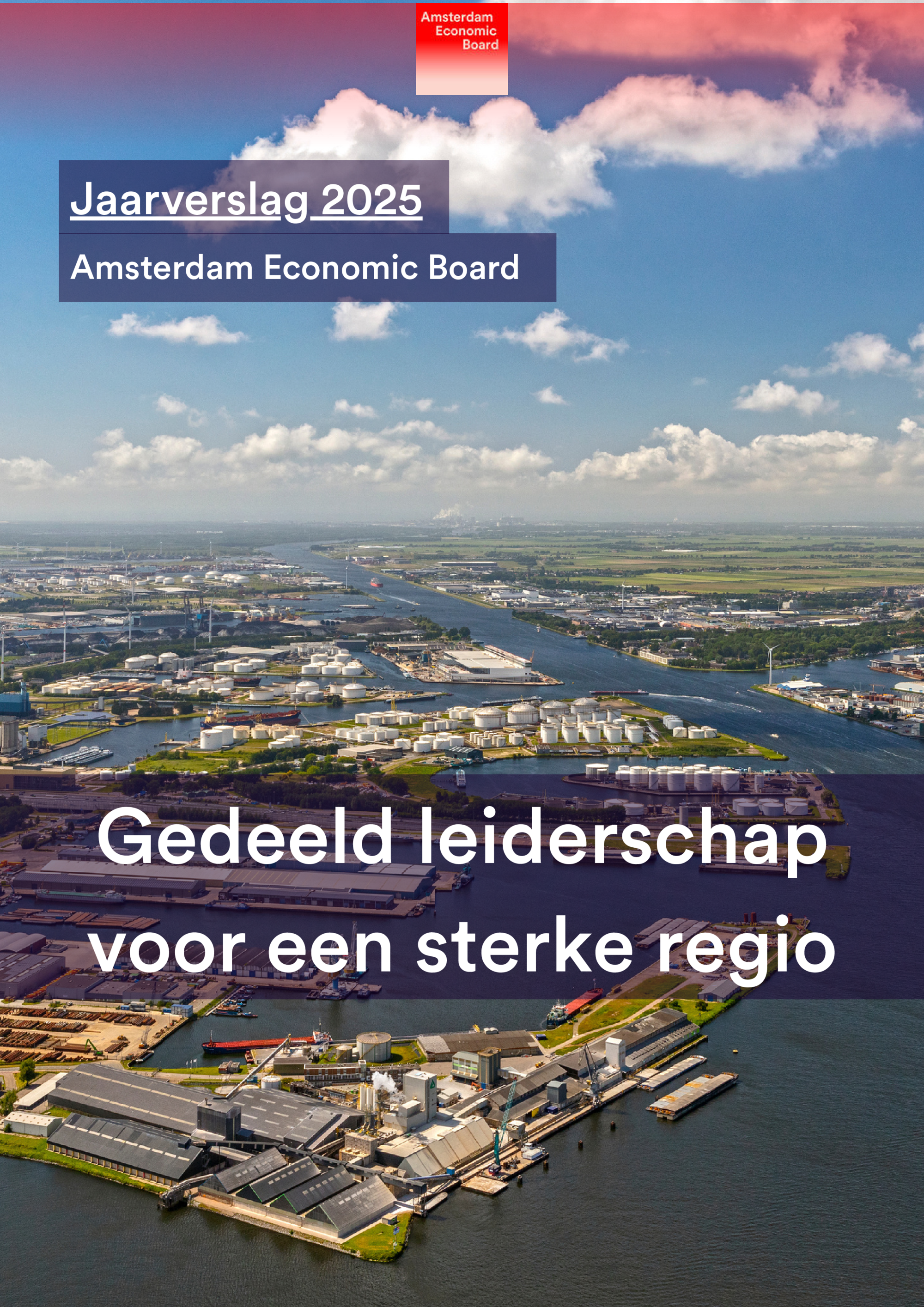
Overview of the Report
The Amsterdam Economic Board’s 2025 annual report presents a comprehensive overview of the city’s economic performance, strategic priorities, and progress on sustainability initiatives. Published by the Amsterdam Economic Board, a public‑private partnership that coordinates business, government, and knowledge institutions, the report reflects the Board’s role in shaping Amsterdam’s transition toward a greener, more inclusive economy. The document is publicly accessible and was submitted to the database on 2 October 2026.
Sustainable Housing Focus
A central theme of the report is sustainable housing. The Board highlights that Amsterdam aims to double the stock of energy‑efficient homes by 2030, targeting a 50 % reduction in residential carbon emissions. In 2025, 18 % of new constructions met the highest energy‑performance standards (EPC A), up from 12 % in 2022. The city’s “Circular Housing” program introduced modular building components, resulting in a 30 % decrease in construction waste.
Key Housing Data
- Total residential units in Amsterdam: 880,000
- New housing completions in 2025: 9,200 units (↑ 7 % YoY)
- Affordable‑housing share: 25 % of new builds (target 30 % by 2030)
- Average energy consumption per household: 3,200 kWh/year (↓ 5 % since 2020) These figures illustrate steady progress toward the city’s climate‑neutral housing goal while maintaining affordability.
Innovation and Technology in Construction
The report details the emergence of tech‑driven construction methods. Amsterdam’s “Tech & AI” coalition facilitated the deployment of digital twins for 15 % of ongoing housing projects, enabling real‑time monitoring of energy use and material flows. Additionally, 12 pilot projects incorporated 3D‑printed façade elements, cutting material costs by 18 % and construction time by 22 %. The Board emphasizes that such innovations are critical for scaling sustainable building practices across Europe.
Partnerships and Funding
Public‑private collaboration underpins the housing agenda. The Board secured €250 million in green financing in 2025, sourced from municipal bonds, EU recovery funds, and private investors. Notable partners include Dutch utility firms, housing corporations, and research institutions. These collaborations support the rollout of heat‑pump retrofits, renewable‑energy integration, and circular material sourcing.
Impact on the European Housing Landscape
Amsterdam’s approach serves as a model for other European cities confronting housing shortages and climate targets. The report notes that the city’s policies align with the EU’s “Fit for 55” package, contributing to the bloc’s goal of reducing greenhouse‑gas emissions by 55 % by 2030. By 2025, Amsterdam’s carbon‑neutral housing initiatives had already avoided an estimated 120,000 tonnes of CO₂ emissions, equivalent to removing 25,000 cars from the road.
Conclusion
The 2025 annual report of the Amsterdam Economic Board provides detailed, data‑driven insight into the city’s sustainable housing strategy. It showcases measurable advances in energy‑efficient construction, innovative technologies, and collaborative financing, positioning Amsterdam as a leading example for pan‑European efforts to create affordable, low‑carbon homes.