France
The Republic That Plans Its Cities Like Grand Projects
France does not do urban technology by half-measures. A country that builds nuclear power stations, high-speed rail networks, and a €36 billion automated metro beneath Paris approaches the smart city with the same instinct: think big, invest heavily, and trust that the state can orchestrate transformation at scale. Yet the French smart city story is not simply one of top-down engineering. It is also one of participatory budgets that let eight-year-olds propose public projects, of a theoretical framework — the 15-minute city — that has reshaped urban planning worldwide, and of a start-up ecosystem that has grown from an afterthought into one of Europe's most prolific engines of urban innovation.
The national framework begins with France 2030, the €54 billion investment programme that channels funding into digital infrastructure, artificial intelligence, green energy, and industrial modernisation. Smart city components run through multiple strands of this plan — from autonomous vehicles to building decarbonisation — reflecting a government that views urban technology not as a standalone sector but as an enabler woven across every policy domain. The European Commission's 2025 Digital Decade country report confirms the results: France is a tech leader in AI and green ICT, with a national digital roadmap backed by €18.6 billion in public funding and very good digital infrastructure already in place.
A State That Builds Cathedrals Underground
Nowhere is France's capacity for monumental smart infrastructure more visible than in the Grand Paris Express, Europe's largest transport project. Four new automated metro lines and 68 stations are being carved beneath the capital region, creating 200 kilometres of driverless rail that will connect suburban centres previously accessible only via transfers through central Paris. The project is projected to serve nearly three million passengers daily when fully operational by 2035, and by then 90 per cent of Greater Paris residents will live within two kilometres of a station.
The Grand Paris Express is as much a smart city project as a transport one. A comprehensive digital twin of the entire network supports both construction coordination and future operational planning. AI-powered passenger flow systems will dynamically adjust train frequency. IoT sensors embedded in tunnels and stations enable predictive maintenance. And the environmental ambition is striking: construction crews are reusing 70 per cent of the 47 million tonnes of excavated soil, rerouting much of it by barge and rail to avoid tens of thousands of truck trips.
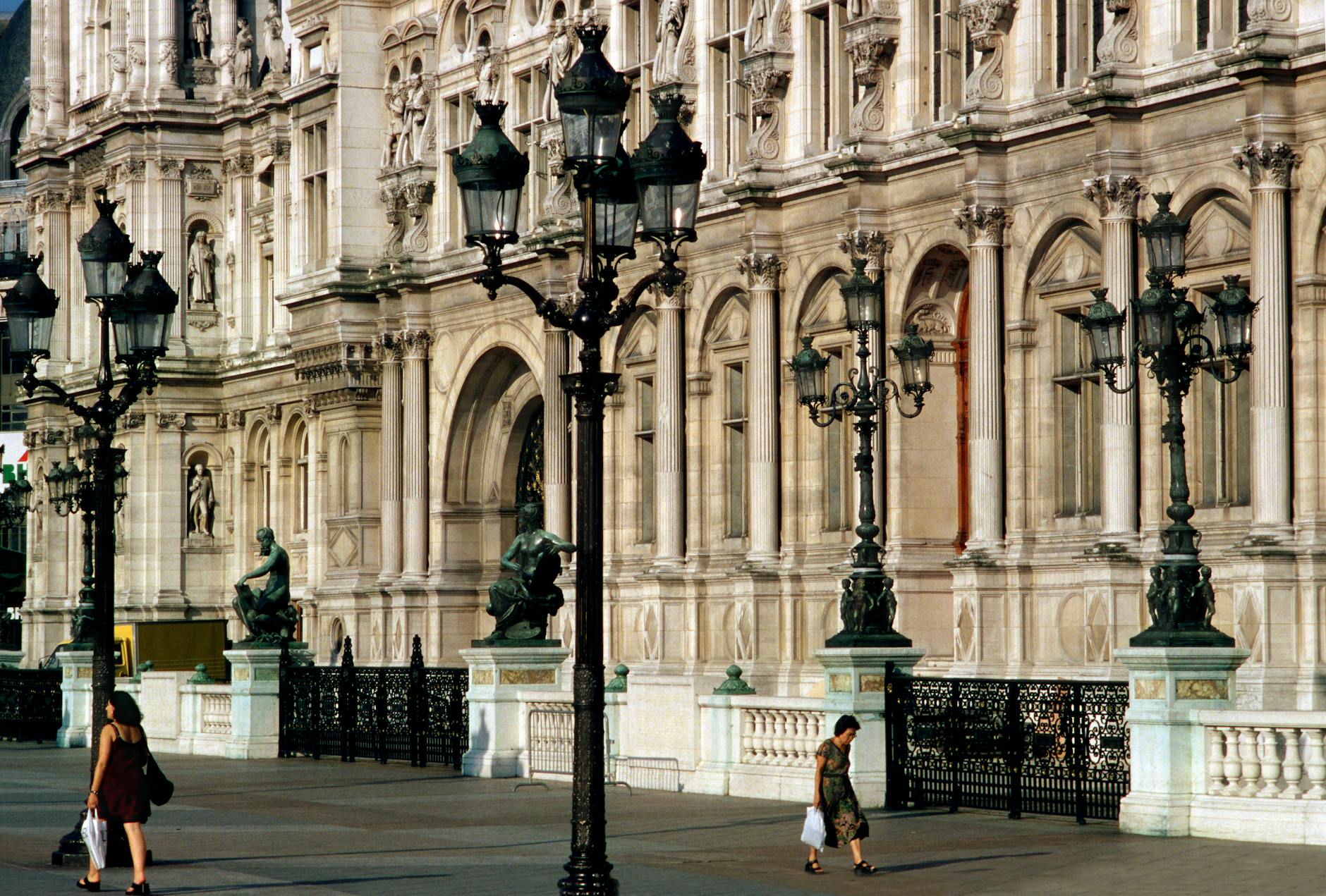
At the municipal level, the Ville de Paris - Direction de l'Innovation drives the capital's digital transformation with a philosophy that distinguishes it from many global peers: citizen empowerment and environmental sustainability sit at the centre, not technology deployment for its own sake. Between 2014 and 2020, Paris committed €500 million to participatory budgeting — one of the world's largest such programmes — allowing residents of any age and nationality to propose and vote on public projects. Over 1,000 projects have been implemented, from pop-up swimming pools to start-up incubators. The EBRD notes, however, that the programme has also attracted criticism over the allegedly inefficient use of municipal funds — a tension that reflects the genuine difficulty of balancing democratic ambition with fiscal discipline.
Beyond Paris, cities across France have developed their own approaches. Dijon's OnDijon project, launched in 2019, became France's first fully integrated smart city command centre, centralising management of public lighting, traffic signals, water distribution, and emergency services across 23 communes. Operated by a consortium of Suez, Bouygues, Citelum, and Capgemini under a 12-year contract, OnDijon demonstrated that smart city ambition need not be a Parisian monopoly. Nice, ranked among the world's top 15 smart cities as early as 2018, has focused its strategy on risk management, environmental monitoring, intelligent mobility, and energy.
Critics, though, have raised concerns about the surveillance dimension of France's smart city push. The 2024 Olympic Games accelerated deployment of AI-powered security cameras and crowd-monitoring systems across Paris — technologies that civil liberties organisations worry may outlast the event and normalise mass surveillance in public space. The tension between security and privacy is a live debate in French urban policy, and one the country has not fully resolved.
Incubators, Algorithms, and a Campus the Size of a Railway Station
France's smart city ecosystem is anchored by institutions that span the full chain from fundamental research to commercial deployment.
INRIA, the national research institute for digital sciences, conducts world-leading work in artificial intelligence, autonomous systems, and computational modelling directly relevant to urban environments. Its open-source software platforms are used by cities and transport operators worldwide, and its technology transfer programme has spun out numerous start-ups. Efficacity, a research institute focused on urban energy transition, develops tools and methodologies for building energy efficiency that feed directly into France's renovation and decarbonisation programmes.
On the commercial side, La French Tech — the national initiative connecting entrepreneurs, investors, and policymakers — operates across 13 capital cities and 45 communities in France, with a presence in nearly 100 cities worldwide. Station F Startup Campus, housed in a converted freight depot in Paris's 13th arrondissement, is the world's largest start-up campus, hosting over 1,000 companies at any given time. Paris&Co, the city's official innovation agency, operates themed incubators across smart city technologies, sustainable construction, and urban mobility, providing start-ups with structured pathways to test solutions in real Parisian settings.
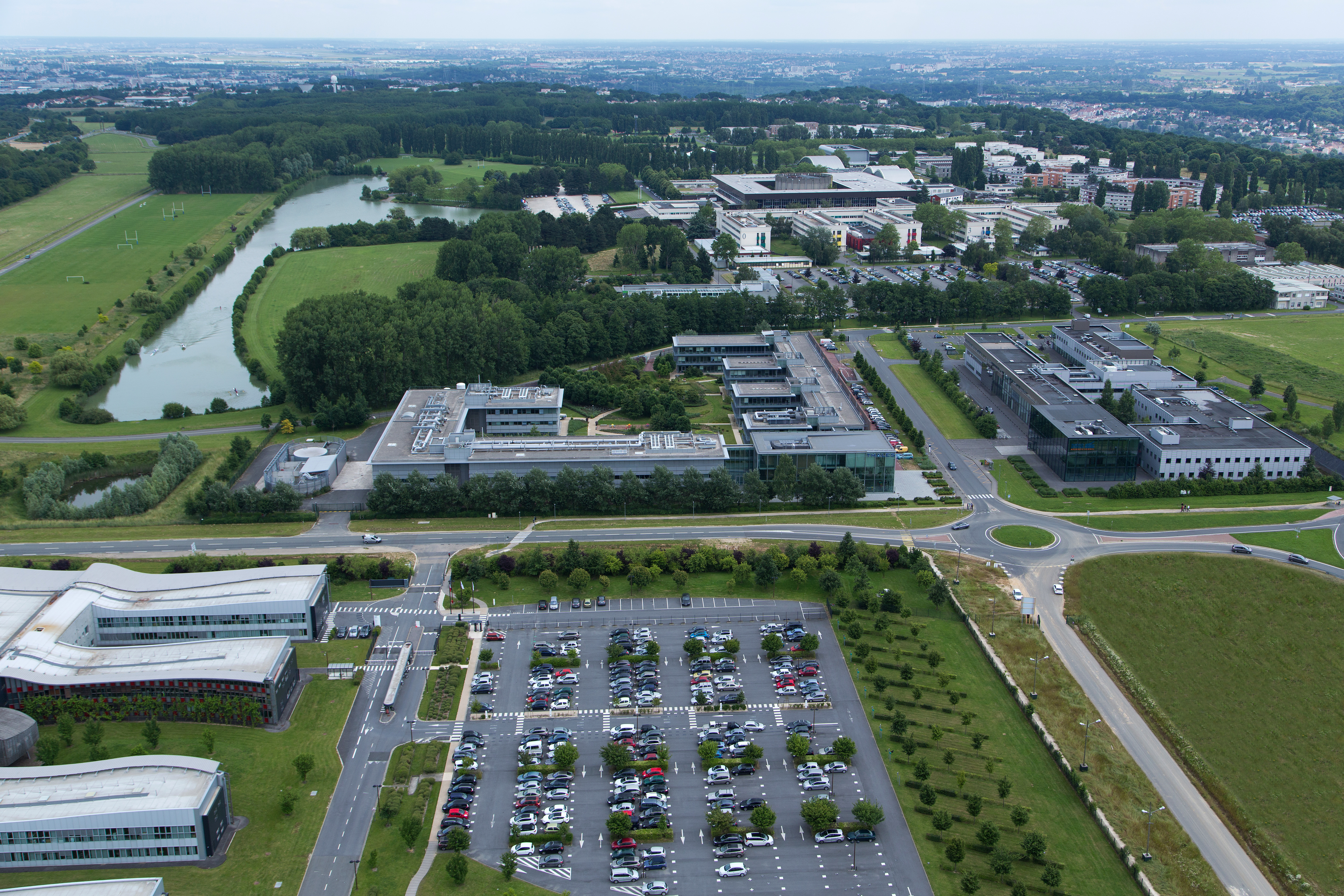
The start-ups themselves reflect the breadth of France's urban innovation. Qarnot Computing turns distributed computing into a heating source for buildings — an elegantly French solution to two problems at once. Karos uses AI to match short-distance commuters for carpooling, tackling congestion in suburban areas poorly served by public transport. Murmuration analyses satellite imagery and machine learning to predict crowd dynamics in real time. Cityscoot operates one of Europe's largest free-floating electric scooter-sharing services. And the Paris-Saclay Innovation Cluster, south of Paris, unites world-class academic institutions and corporate R&D into Europe's largest innovation ecosystem, with smart city research running through its core.
The ATEC ITS France network — France's leading professional association for intelligent transport systems — connects this ecosystem, ensuring that innovations in mobility, logistics, and urban data find pathways from laboratory to street.
Fifteen Minutes, Twenty Thousand Bicycles, and a Hundred Hectares of Rooftop Farms
France's lighthouse projects combine the monumental with the intimate, the engineered with the organic.
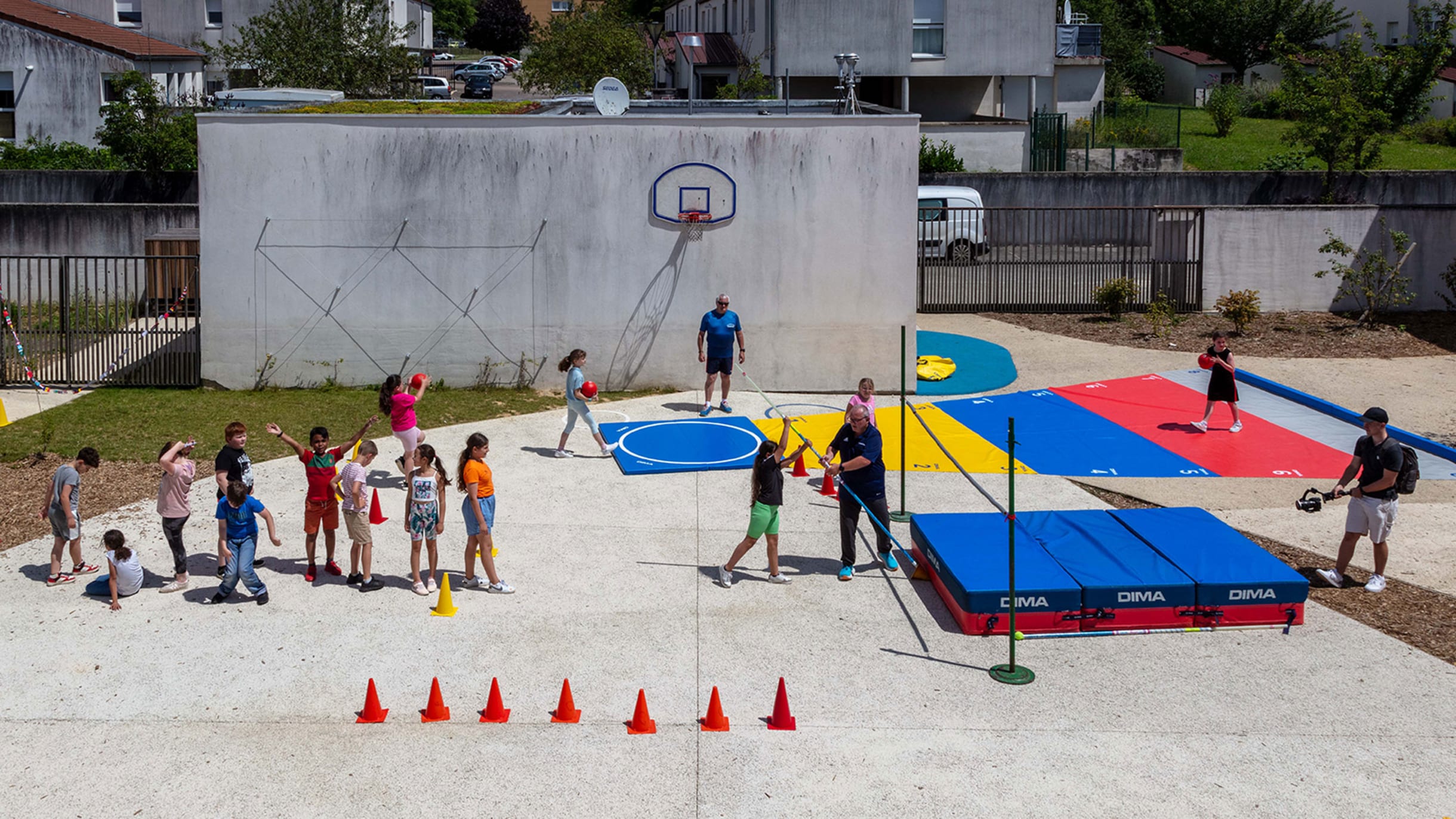
The Paris 15-Minute City Programme, conceived by Carlos Moreno at the Sorbonne, has become perhaps the most influential urban planning idea of the 2020s. The concept — enabling residents to access work, shopping, healthcare, education, and leisure within a 15-minute walk or cycle ride — has driven the transformation of car lanes into cycling corridors, the conversion of schoolyards into green spaces through the OASIS programme, and mixed-use zoning that encourages local amenities. The World Resources Institute made it a finalist for its Prize for Cities, and the model has been adopted from Melbourne to Barcelona.
Vélib' Métropole Smart Bike Sharing, Paris's bike-sharing system, has evolved from a municipal transport service into a data-driven smart mobility platform. Its 20,000 bicycles — including 5,000 electric models across 1,400 stations and 68 municipalities — are managed by AI algorithms that predict demand and optimise redistribution in real time. With over 100 million trips since launch, Vélib' has become a cornerstone of Paris's post-car mobility strategy.
The Paris 2024 Olympics Smart Infrastructure Legacy is now delivering returns beyond sport. The Athletes' Village in Seine-Saint-Denis is being converted into a 6,000-home smart neighbourhood, complete with intelligent energy management and connected buildings. The 100,000+ IoT sensors deployed during the Games — monitoring stadium stability, air quality, pedestrian flows, and shuttle logistics — have seeded a sensor infrastructure that continues to serve residents.
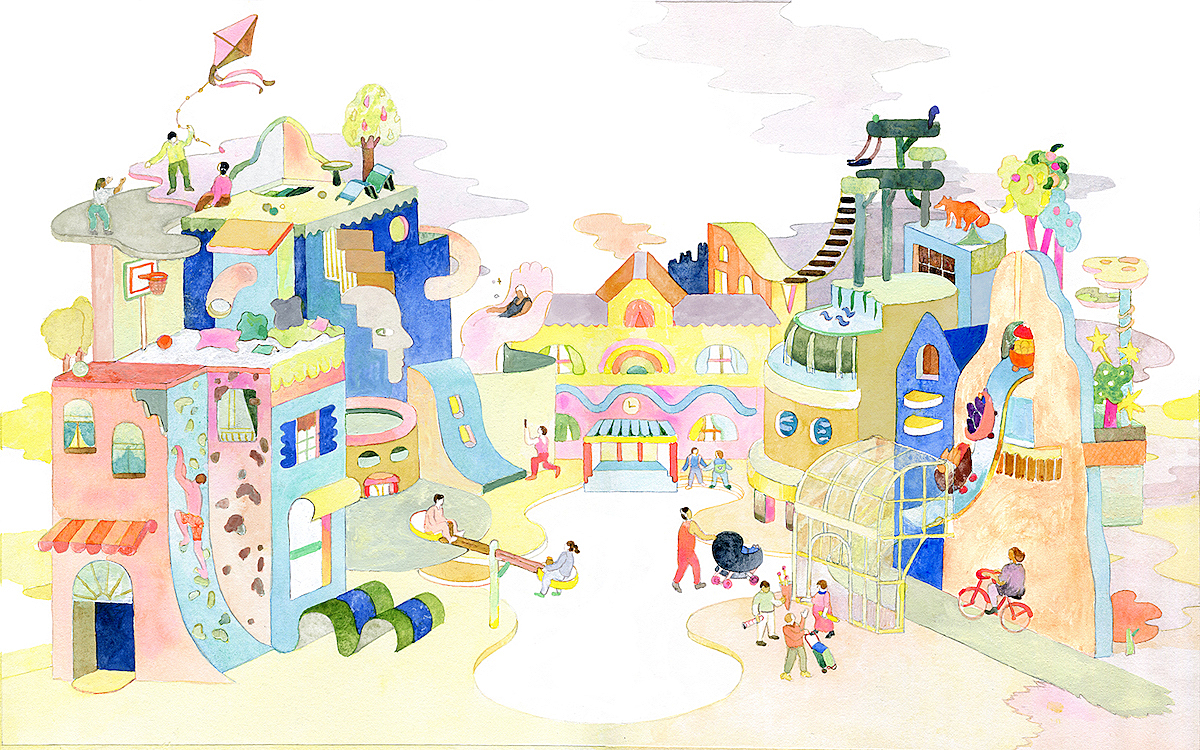
Réinventer Paris Urban Innovation, the global urban innovation competition launched in 2014, invited multidisciplinary teams from over 70 countries to reimagine underused sites across the city. Three rounds have produced over 40 winning projects featuring timber construction, urban farming, social housing, and smart building technologies — and spawned spin-off competitions in New York and London.
And the Parisculteurs Urban Agriculture Programme programme is turning 100 hectares of Parisian rooftops and walls into productive urban farms, using IoT-monitored growing systems and AI-optimised irrigation. It has created Europe's largest urban rooftop farm at Paris Expo, demonstrating that smart city technology can serve not just mobility and energy but food resilience.
The Paris Data Platform, the city's open data portal since 2011, underpins much of this innovation. Built on the Loi pour une République numérique — France's pioneering open data legislation — it publishes thousands of datasets across everything from tree inventories to transport flows, feeding the research, start-up, and civic technology ecosystems.
The Croissant, the Algorithm, and the Café Terrace
For all its grand infrastructure, France's smart city ultimately meets the citizen on a pavement terrace with a coffee. Parisians experience it when they unlock a Vélib' and cycle along the Seine on a lane that was, until recently, choked with cars. They encounter it in the green schoolyard where their children play on permeable surfaces that absorb rainfall, or in the neighbourhood market garden growing tomatoes on a rooftop they once ignored.
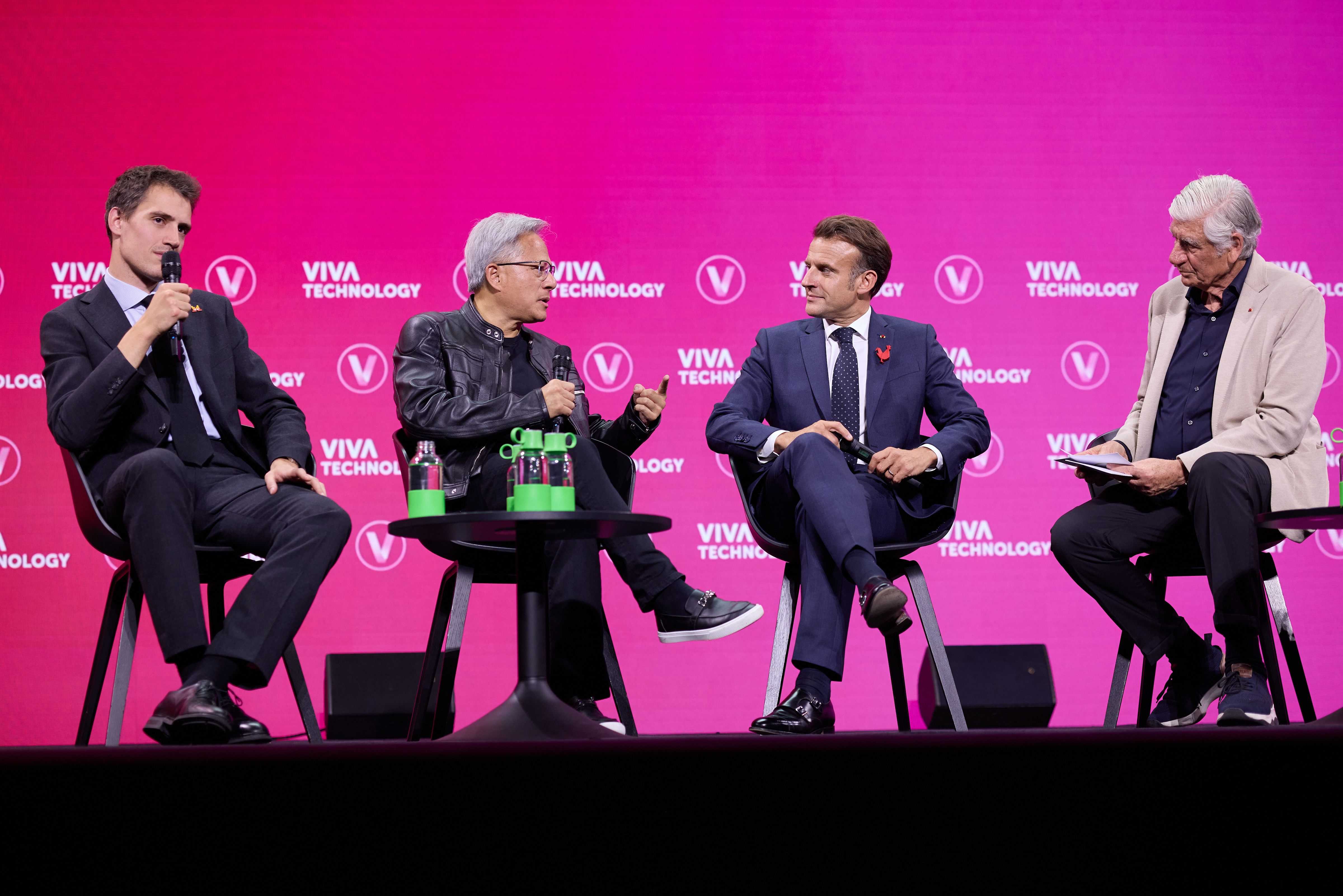
"Paris is a city where you can always reinvent yourself," says the tagline behind Réinventer Paris Urban Innovation, and there is something characteristically French in the insistence that technology should serve the art of living, not replace it. At VivaTech 2025, Europe's largest technology conference held annually in Paris, the smart city is a recurring theme — but the conversations quickly move from sensors and platforms to quality of life, equity, and the human experience of the street. The upcoming Paris Smart City Conference 2026 promises to continue this tradition.
There is a cultural habit at work here. The French attachment to the terrasse — the café chairs that spill onto every pavement — is not just a lifestyle cliché but an expression of a fundamentally urban people's belief that the street belongs to the citizen, not the vehicle. When Paris removed 10 per cent of its parking spaces and created 500 car-free streets after a citizen vote in which 66 per cent said yes, it was technology and data that mapped the transformation — but it was culture that demanded it.
Walk through the Marais on a spring evening, past the glowing screens of a Station F demo night, the Vélib' docks filling and emptying with algorithmic precision, and the scent of bread from a boulangerie that has outlasted every revolution, and you sense a city — and a country — that treats smart urban technology the way it treats cuisine: as something that must be exquisite, generous, and ultimately in service of the pleasure of being together.
References20 resources16 external