Loading...
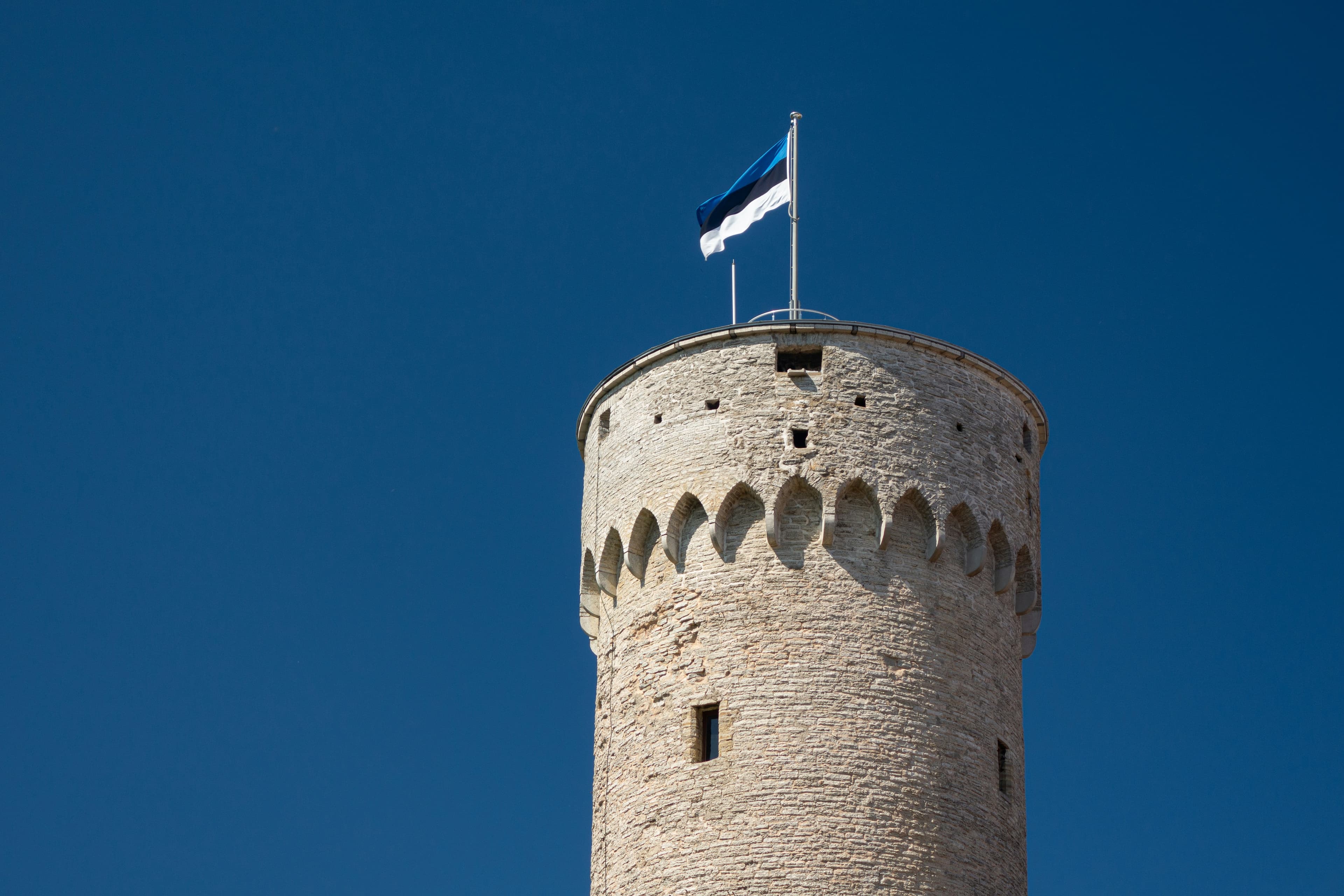
Country
Estonia
Population1.4M
Renting18.3%
Social/Public1%
The World's Smallest Digital Superpower
Estonia, a Baltic nation of just 1.4 million people, has built something no larger country has managed: a fully digital society where 100 per cent of government services are available online. From filing taxes to voting in elections, Estonians navigate public life through screens as naturally as most Europeans navigate it through paper. What began as a post-Soviet leap of faith in the 1990s — when a newly independent republic bet its future on digital infrastructure rather than physical rebuilding — has matured into one of Europe's most compelling smart city laboratories.
The country now faces a different challenge. Having mastered digital government at the national level, Estonia is working to translate that expertise downward into its cities and outward across borders. The question is no longer whether digital governance works, but whether a model built for a small, digitally literate population can reshape how cities function — and whether it can do so without sacrificing the human touch that makes urban life worth living.
A Government That Runs on Code
Estonia's political commitment to digitalisation is not a policy choice so much as a national identity. The country's Digital Agenda 2030 sets the ambition to become "the greenest digital government in the world," while the longer-term Estonia 2035 strategy envisions a "personal state" where public services work proactively and invisibly in the background. In January 2026, the government launched the Eesti.ai initiative — a bold programme to double public sector productivity through artificial intelligence.
At the city level, Tallinn's own 2035 strategy directly addresses carbon neutrality, climate resilience, and sustainable energy. The capital, which won the European Green Capital Award in 2023, has committed to creating a 13-kilometre pollinator route, redesigning rainwater management, and piloting self-driving buses. According to the Emerging Europe report, Tallinn is the smartest city in the smart city development category.
Yet critical voices note a gap between national ambition and municipal reality. A 2024 study published in ScienceDirect found that despite Estonia's global reputation for digital governance, "local governments face persistent challenges in open government data adoption," citing limited awareness, skills gaps, and data quality as barriers. The European Commission's 2025 Digital Decade Country Report acknowledged that while Estonia leads in digital public services, it lags the EU average in connectivity and in the digitalisation of small and medium-sized enterprises. The European Innovation Scoreboard 2024 offered a counterpoint: Estonia achieved the strongest performance improvement of any EU member state, advancing from Moderate Innovator to Strong Innovator status.
Where a Tiny Nation Punches Above Its Weight
Estonia's smart city ecosystem is remarkably concentrated — which, in a country this size, is a feature rather than a bug. Three institutions form the backbone.
The FinEst Centre for Smart Cities, headquartered at Tallinn University of Technology (TalTech) and operating in partnership with Aalto University and Forum Virium Helsinki, is the country's flagship research hub for human-centric urban innovation. Its work spans smart energy systems, built environment optimisation, urban analytics, autonomous mobility, and governance. "Estonia has a very strong international reputation in the field of digital governance," says Ralf-Martin Soe, the centre's initiator. "With this project, we would like to add another layer to the story through smart city development."
Tehnopol Tallinn — Estonian Smart City Cluster, Estonia's leading science and business campus adjacent to TalTech, hosts over 200 companies and the Estonian Smart City Cluster — a collaborative initiative that brings together companies developing IoT, sensor networks, urban data analytics, and smart building solutions for both domestic deployment and international export. The cluster positions Estonia's smart city sector as a cohesive force in European markets, leveraging the country's outsized reputation in digital governance to open doors for its technology companies.
Within the city administration itself, Tallinnovation serves as Tallinn's innovation unit, coordinating open data initiatives, smart city pilot projects, and the city's participation in EU-funded programmes. It manages the municipal open data portal and works to build digital capacity across city departments — a necessary investment, since the sophistication of national platforms like X-Road can obscure the fact that many municipal services still require modernisation.
Binding these institutions together is X-Road, the open-source data exchange layer that is the backbone of e-Estonia. More than 900 organisations use X-Road daily, and the system saves an estimated 820 years of working time annually for the state and its citizens. Over 20 countries worldwide, including Finland, Brazil, and Cambodia, have adopted the platform — a form of what researchers have described as "digital diplomacy." The e-Governance Academy, which organises an annual conference attracting over 500 leaders from more than 90 countries, further cements Tallinn's role as a global hub for digital governance knowledge transfer.
From Twin Cities to Smart Sensors: What Estonia Is Actually Building
Estonia's lighthouse projects reflect a country that treats its entire territory as a testbed.
The FinEst Twins — Cross-Border Smart City Pilots programme, awarded a €32 million grant co-funded by the EU and the Estonian government, is the most ambitious undertaking. Running until 2026, it develops cross-border smart city solutions between Tallinn and Helsinki — commonly nicknamed "Talsinki" — across five domains: smart energy, built environment, urban analytics, mobility, and governance. Each pilot project must involve at least one Estonian and one foreign city, ensuring international transferability. The FinEst Centre's Smart City Challenge 2025 funds two pilot projects at €800,000 each, focusing on safety, wellbeing, and climate resilience.
Tallinn's network of over 800 smart city sensors, developed by TalTech and the private company Thinnect, represents a quieter but practically significant deployment. Installed across eight city patches, the autonomous, solar-powered sensors monitor environmental noise levels in real time, feeding data to a municipal dashboard that informs policy decisions on traffic and urban planning. Recognised as a good practice through the European Green Capital Award, the system has inspired replication interest from other cities.
The Test in Tallinn programme allows companies to pilot smart city solutions in the capital for up to 12 months. Recent projects include an autonomous electric car charging robot and a bike tracker device that collects data on vehicle speeds, road conditions, and cycling behaviour. Meanwhile, self-driving minibuses developed by the Estonian company Auve Tech have been tested on Tallinn and Tartu streets — part of a broader push to integrate autonomous vehicles into public transport.
In Tartu, Estonia's second city, the EU-funded SmartEnCity project has tackled a challenge shared across former Soviet states: retrofitting energy-wasteful Khrushchyovka apartment blocks. The project connected renovated buildings to Tartu's nearly 100 per cent renewable district heating system, installed smart home solutions for indoor climate monitoring, and demonstrated that citizen-centred energy renovation is technically and socially feasible. Tartu was also among the first Estonian cities to adopt participatory budgeting, ensuring residents have a direct say in how municipal funds are spent.
Singing Your Way into the Digital Future
For residents and visitors alike, Estonia's smart city innovation is most tangible in the seamless digital layer that wraps around daily life. Nearly every Estonian carries a digital ID — used for everything from riding public transport to signing contracts, accessing medical records, and voting in elections. As The Guardian reported, Estonians find digital identification "pretty uncontroversial," a notable achievement in a continent where many countries still struggle with digital identity debates. Tallinn's public transport has been free for registered residents since 2013, a policy enabled by the digital ID system that tracks ridership while maintaining anonymity. The e-health system allows secure sharing of medical records between providers — Estonia achieved full access to e-health records ahead of the EU's 2030 target.
Yet this digital intimacy carries tensions. A Social Europe analysis published in November 2025 warned that "efficiency without empathy risks turning citizens into data points," arguing that Estonia's digital frontier reveals "the human limits of technological perfection." Freedom House's 2024 assessment noted that Estonian authorities continued to block over 300 websites under EU sanctions, and that civil society investigations raised concerns about potential access to surveillance tools. The country's privacy framework has faced criticism for granting broad data access to government agencies with investigative functions.
These debates, however, reflect a society that takes digital governance seriously enough to argue about its limits. In a continent where many cities struggle to digitise basic services, Estonia grapples with the philosophical questions that follow success: how much efficiency is too much? When does a seamless state become an intrusive one?
There is something characteristically Estonian about this tension. Estonians are famously reserved — captured in the widely shared joke that an extroverted Estonian stares at your shoes. Yet behind this reserve lies a society that has placed extraordinary trust in shared digital infrastructure. In a country where forest covers more than half the land and singing together is a national ritual that once helped overthrow Soviet rule — the Singing Revolution of 1988 gathered 300,000 people, nearly a third of the population — the smart city is not a break from tradition but an extension of it: a quiet, determined belief that a small community, working together through shared systems, can build something larger than itself.
References6 resources16 external
Resources
Project
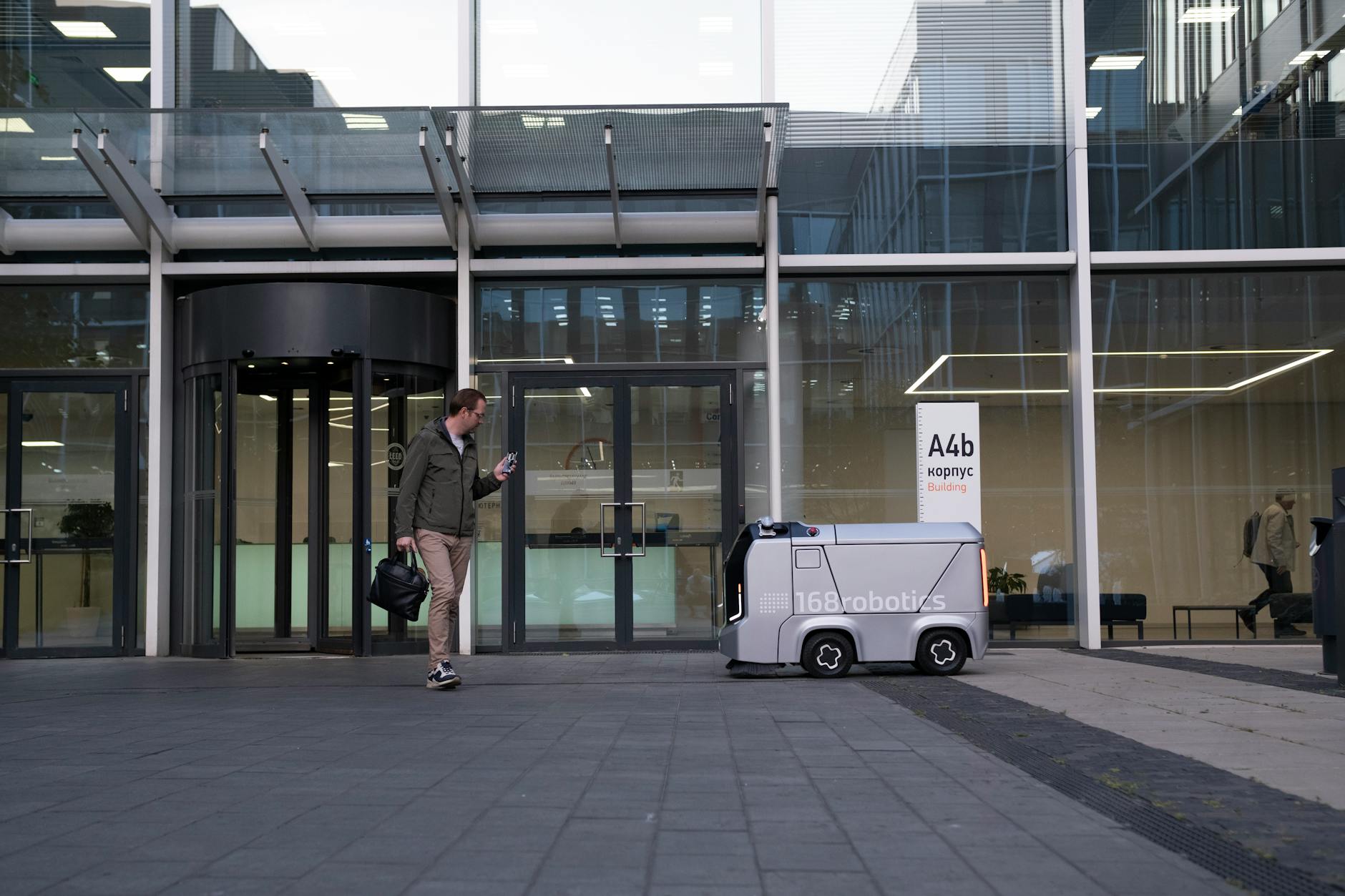
FinEst Twins — Cross-Border Smart City Pilots
Cross‑border pilots test autonomous mobility, energy monitoring, and green‑space design in Tallinn and Helsinki.

Organisation
Tehnopol Tallinn — Estonian Smart City Cluster
Campus fostering tech entrepreneurship, offering incubation, acceleration, and smart city collaboration ecosystem.

Knowledge
European Innovation Scoreboard 2024
Denmark leads EU innovation, Estonia surges to Strong Innovator, while Switzerland tops non‑EU benchmarks overall.
Organisation
FinEst Centre for Smart Cities
Develops human‑centric smart city solutions via cross‑border research, pilots, and living labs.

Knowledge
IMD Smart City Index
Citizen‑perception rankings, three‑year moving averages, Swiss dominance, no North American top‑20, housing as smart foundation.
Event
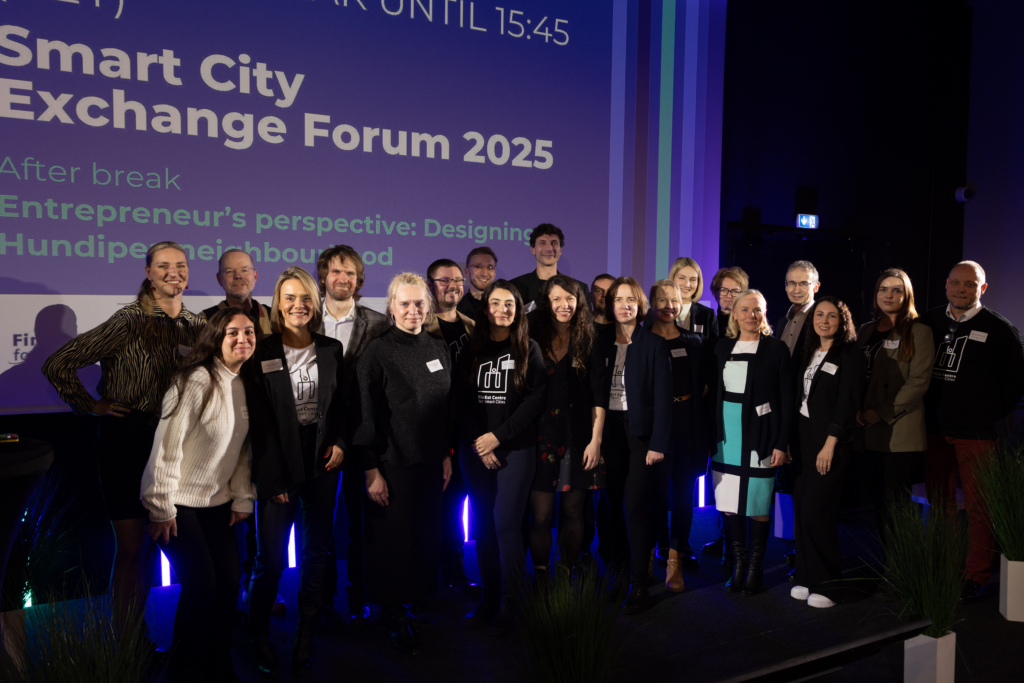
Smart City Exchange Forum Tallinn 2025
City officials, researchers, and tech firms collaborate on data‑driven AI smart‑governance solutions.
External Sources
The Estonian Smart City Visione-estonia.comEstonia 2025 Digital Decade Country Reportdigital-strategy.ec.europa.euTallinn — Smart City Sensorsenvironment.ec.europa.euEstonia's Digital Frontier: When Perfect E-Government Meets the Paradox of Trustsocialeurope.euTest in Tallinn Announces Latest Smart City Friendly Projectssmartcitiesworld.netSmart City Challenge 2025finestcentre.euX-Road — Interoperability Servicese-estonia.comThe Smart Nation Where Everyone Owns Their Personal Datasmartcitiesworld.netEstonia: Freedom on the Net 2024freedomhouse.orgBridging the Gap: Local Government Data Sharing Barriers in Estoniasciencedirect.comSmart Cities — Invest in Estoniainvestinestonia.comDigital ID: Danes and Estonians Find It 'Pretty Uncontroversial'theguardian.comSmart City Exchange Forum 2026: Discovering Pathways to Resilient Citiesfinestcentre.euSmart City Exchange Forum 2026 — Tallinnliving-in.euLiving-in.EUliving-in.euTallinn master plan focuses on human-centred environmentsmartcitiesworld.net