Hamburg
The Port That Learned to Think
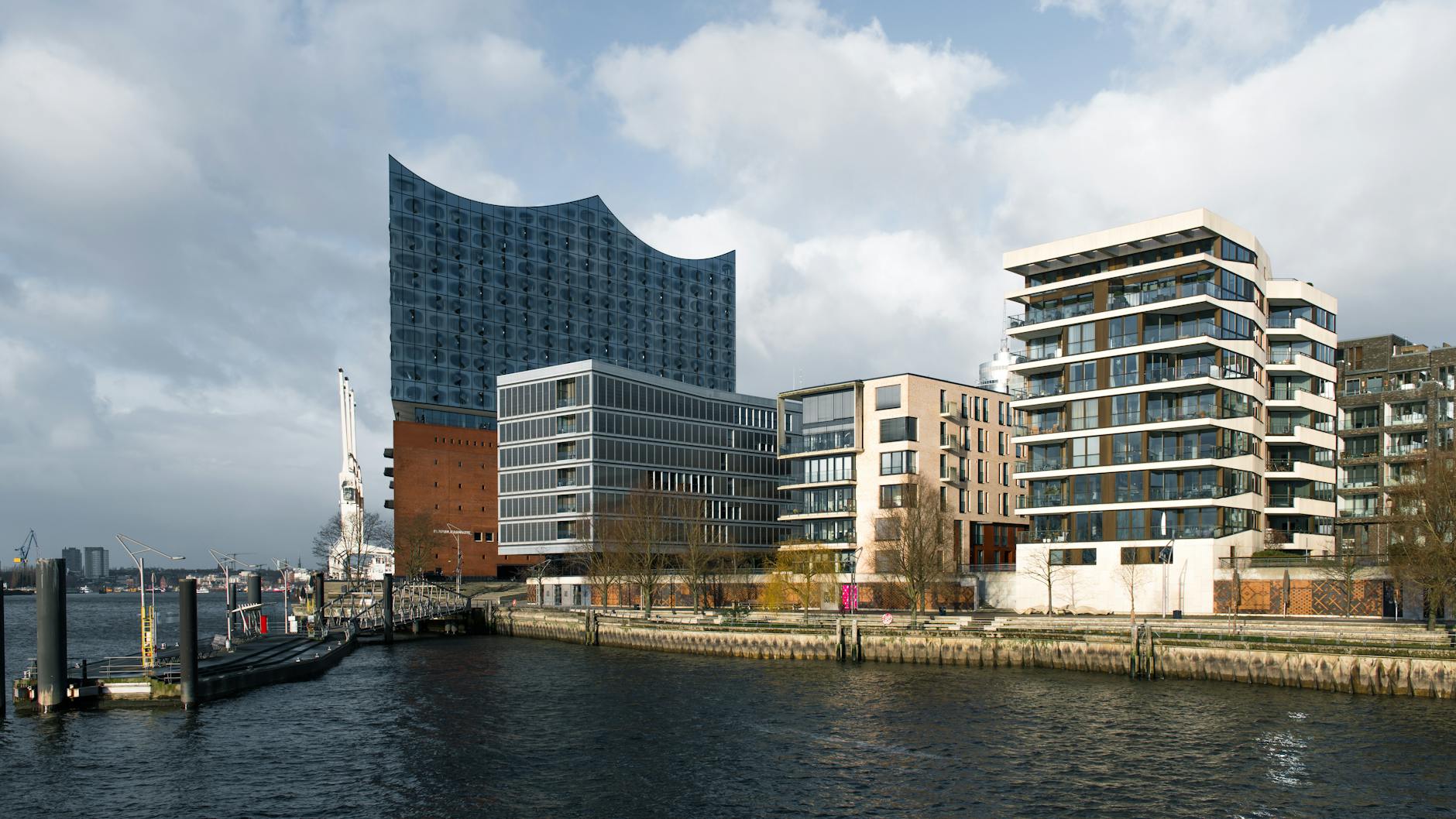
Hamburg has always been a city of logistics — of ships, containers, and the relentless movement of goods across borders. With 1.8 million inhabitants and Europe's third-largest port handling over 120 million tonnes of cargo annually, Germany's second city has built its identity around making things flow. So when Hamburg began its smart city journey, it did not start with sensors in parks or apps for parking. It started with traffic.
In 2021, Hamburg hosted the ITS World Congress, the world's largest event for intelligent transport systems, drawing over 16,000 participants from 110 countries. The congress was not a vanity project but the culmination of a decade-long bet: that a port city drowning in freight and commuter traffic could reinvent itself as Europe's leading laboratory for digital mobility. The bet paid off. Hamburg will host the congress again in 2025 and 2027, cementing its status as the continent's most ambitious testbed for connected transport.
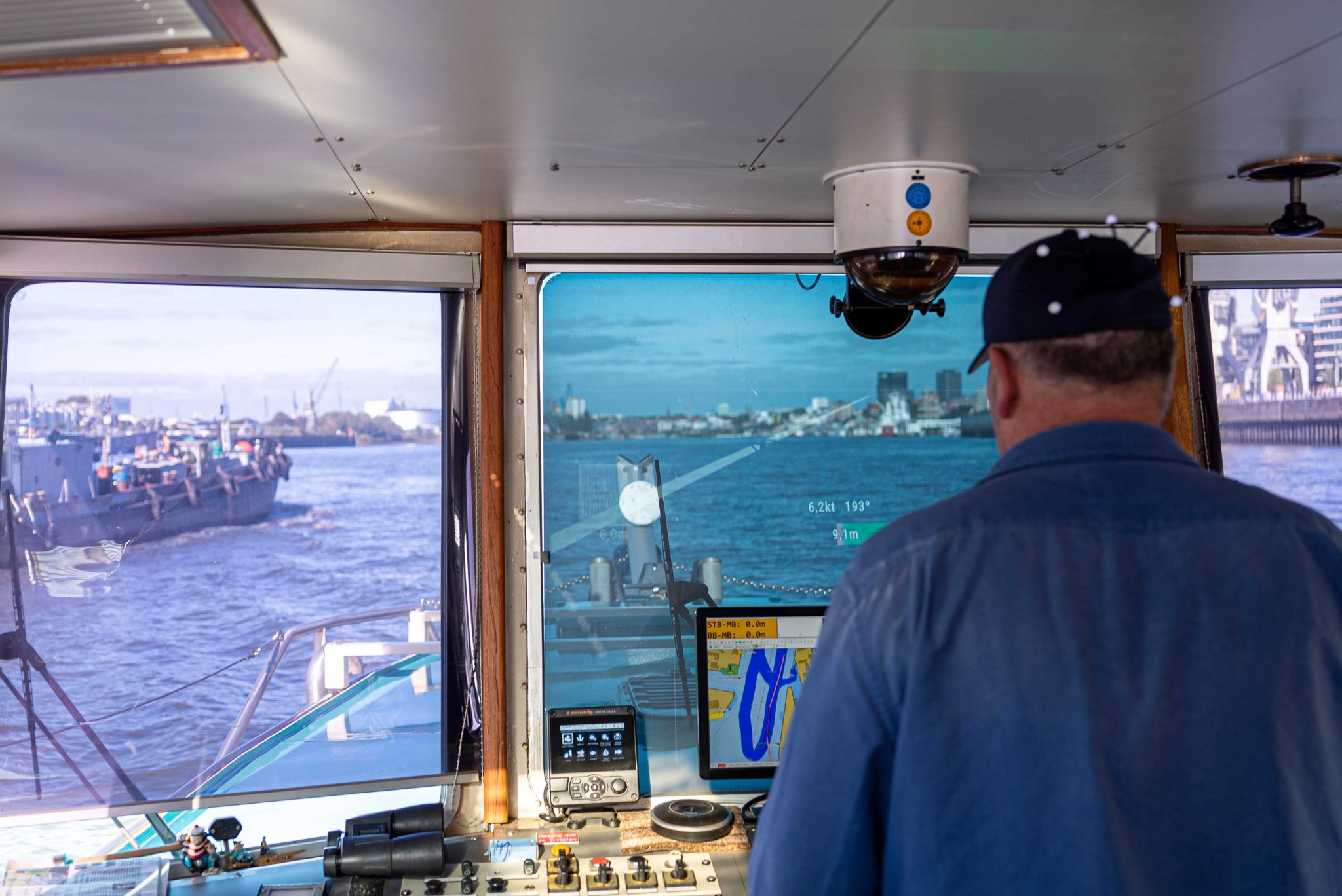
The city's Digital Mobility Strategy (SDM), updated in 2024, defines nine development paths for digitalising transport through to 2030 — from autonomous shuttles and digital underground systems to C-ITS (Cooperative Intelligent Transport Systems) services already running in regular operation on Hamburg's streets. Traffic lights communicate with approaching buses to grant priority. Freight vehicles receive real-time routing through the port. And the Hamburg-Traktorbahn autonomous shuttle project is testing driverless on-demand services in residential areas, a complement to the city's extensive public transport network.
A Senate That Puts Digital First
Hamburg's smart city governance runs through the Senate Chancellery, which in 2024 published a comprehensive Digital Strategy — the third iteration following earlier versions in 2015 and 2020. The strategy is unusually direct about its priorities: "The Digital Strategy puts people first," it opens. "The aim is to make Hamburg a modern, liveable city where digital services and technologies make people's diverse day-to-day lives easier and where everyone can reap the benefits of digitalisation."
The strategy is structured as a binding work agenda for Hamburg's public authorities, covering digital administration, education, healthcare, climate action, and urban development. It commits to making the city "not only more digital, but also more inclusive and sustainable" — a framing that reflects Hamburg's long-standing progressive political culture. Hamburg joined the Open Government Partnership as a subnational member, developing a local action plan for 2022–2024 focused on inclusive urban development, visibility for disadvantaged groups, and inner-city dialogue — commitments that go beyond technical digitalisation into democratic governance.
Notably, Hamburg has ranked second in Germany's national Smart City Index for several consecutive years, leading in categories like IT infrastructure and communication. But what distinguishes Hamburg from higher-ranked competitors is its insistence on embedding digital innovation within social policy. As a 2025 profile in TechRitory noted, Hamburg's smart city approach "puts people first" — a city that sees digital tools as a means to social ends, not an end in themselves.
Where the UN Trains City Leaders
Hamburg's smart city ecosystem draws on an unusual combination of port-economy pragmatism and institutional ambition. The most distinctive institution is UNITAC Hamburg — UN Innovation Technology Accelerator for Cities — the United Nations Innovation Technology Accelerator for Cities, established as a partnership between UN-Habitat and the Hamburg government. UNITAC provides training and technology guidance to city leaders globally, helping municipalities develop inclusive smart city strategies using digital technologies for sustainable urban development. Throughout 2025, UNITAC delivered training sessions to city leaders in Brazil, Kenya, and Egypt, exploring how digital tools can support municipalities in housing, land management, and basic urban services. Hamburg's decision to host a UN accelerator — and fund it — signals an ambition to be not just a smart city but a city that helps other cities become smarter.
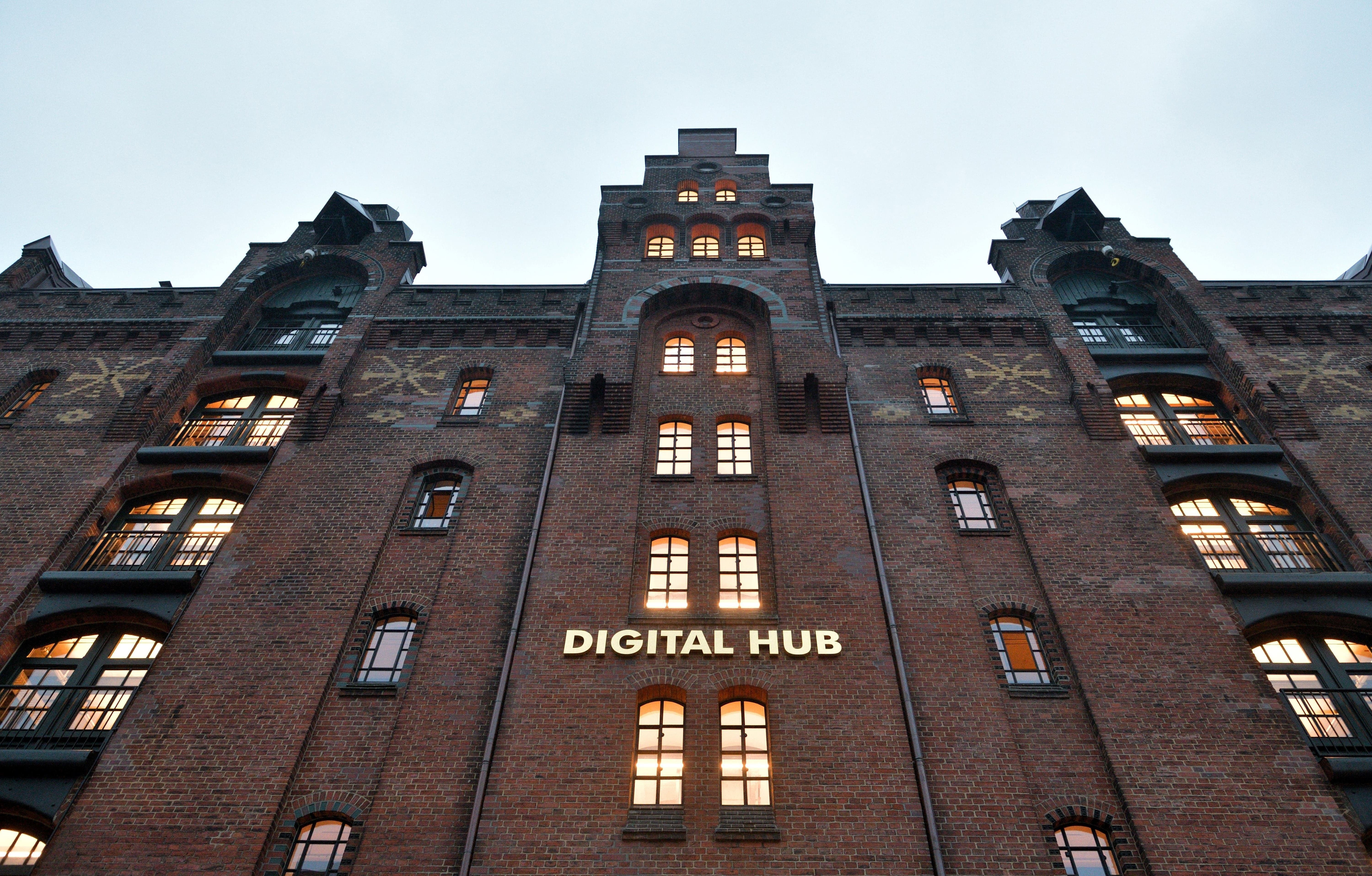
The Digital Hub Logistics Hamburg connects the city's logistics DNA with its digital ambitions, operating as an innovation platform where logistics startups work alongside established companies to develop smart urban freight solutions, last-mile delivery innovations, and port digitalisation tools. The hub sits within Germany's national Digital Hub Initiative and reflects Hamburg's recognition that its greatest smart city asset is the complexity of its own port operations.
The IKS Hamburg — Innovations-Kontakt-Stelle at HafenCity University bridges academic research with practical smart city applications, focusing on the societal implications of technological innovation. Its work on digital urban research provides the critical perspective that Hamburg's pragmatic business community sometimes lacks — asking not just whether a technology works, but whom it serves.
The annual Hamburg Innovation Summit 2026, held at the Oberhafenquartier, brings together 1,800 square metres of exhibition space and six stages covering AI, sustainable urban development, social innovation, and talent development. The 2025 edition introduced a dedicated AI Hub and a "From Migration to Innovation" panel celebrating founders with migration backgrounds — a reflection of Hamburg's cosmopolitan identity.
Connected Twins and Climate-Resilient Streets
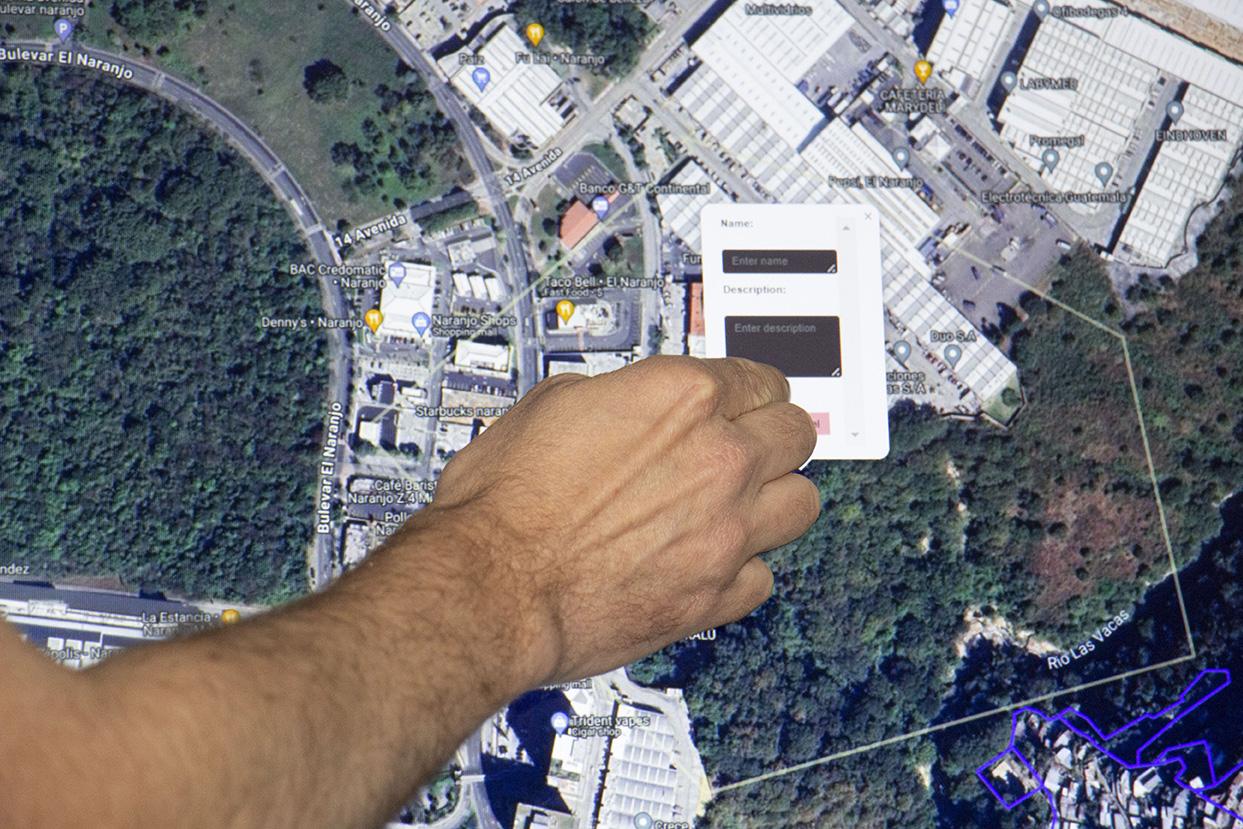
Hamburg's most technically ambitious project is its participation in Germany's national Connected Urban Twins programme, alongside Munich and Leipzig. The project has developed a 3D web application that allows planners to visualise building projects in their urban context — speeding up planning and approval procedures whilst enabling residents to understand how proposed developments will affect their neighbourhoods. The digital twin integrates building information modelling (BIM), geodata, and environmental simulations into a shared platform accessible to both professionals and the public.
The SMARTilience Hamburg — Climate-Resilient Urban Development research project tackles one of the city's most pressing vulnerabilities: climate resilience. Hamburg sits at the confluence of the Elbe and Alster rivers, making it acutely exposed to flooding, storm surges, and the cascading effects of climate change on urban infrastructure. SMARTilience develops governance models for climate-friendly urban development, combining sensor data, climate projections, and participatory planning to help neighbourhoods adapt to rising water levels and extreme weather events.
On the mobility front, Hamburg has gone further than most European cities in testing autonomous vehicles in mixed traffic. The HEAT project (Hamburg Electric Autonomous Transportation) tested autonomous minibuses in HafenCity, whilst the city's partnership with Volkswagen on autonomous ride-pooling — using the MOIA service — has made Hamburg one of the few European cities where residents can hail a shared electric vehicle that may, in the near future, arrive without a driver.
Cycling Through the Digital Port
To experience Hamburg's smart city in daily life, rent one of the thousands of StadtRAD bikes and cycle along the Elbe from HafenCity to Altona. Along the route, real-time traffic management systems orchestrate the flow of freight trucks, commuter buses, cyclists, and pedestrians — a quiet choreography powered by thousands of sensors and C-ITS infrastructure that most users never notice. The StadtRAD system itself integrates with the hvv switch app, Hamburg's multimodal mobility platform that combines public transport, bike-sharing, car-sharing, and on-demand shuttles in a single interface — one of Germany's most advanced mobility-as-a-service ecosystems.
Or visit the Speicherstadt, Hamburg's UNESCO-listed warehouse district, where 19th-century brick facades now house digital startups, VR studios, and the Miniatur Wunderland — the world's largest model railway, which has itself become a digital innovation showcase, using AI-controlled model trains and real-time visitor analytics. The juxtaposition captures something essential about Hamburg: a city that has always stored, sorted, and shipped the world's goods, now learning to do the same with data.
Hamburg's relationship with efficiency is cultural. The city's merchants have traded across the North Sea and Baltic for centuries, and the Hanseatic tradition of pragmatic, understated competence still shapes how Hamburgers approach innovation. "Nicht kleckern, sondern klotzen" — don't dabble, commit — is a local saying that explains why Hamburg does not do pilot projects for the sake of pilots. When the city tests autonomous buses, it does so on public roads in mixed traffic. When it builds a digital twin, it connects it directly to planning approvals. When it hosts the ITS World Congress, it commits to hosting it three times. In Hamburg, smart city innovation is not a department — it is the way the port learned to think.
Hamburg's national profile climbed another notch in spring 2026 on two fronts. First, the city now chairs the federal Digitalministerkonferenz (DMK) for 2026; on 13 May 2026, Hamburg hosted the 5th DMK with a federal modernisation agenda focused on making administration more citizen-friendly, faster and AI-supported. Second, the Bitkom Länderindex 2026, published in May 2026, again ranked Hamburg as Germany's most digital state with 70.3 out of 100 points — a result confirmed across the German tech press. On the city side, the Bitkom Smart City Index 2025 placed Hamburg second among the 82 largest German cities with 89.6 points, just behind Munich — a reminder that Hamburg's leadership is now structural rather than dependent on any single flagship project.
References5 resources8 external