Loading...
City
Frankfurt am Main
Country🇩🇪 Germany
The Invisible Backbone
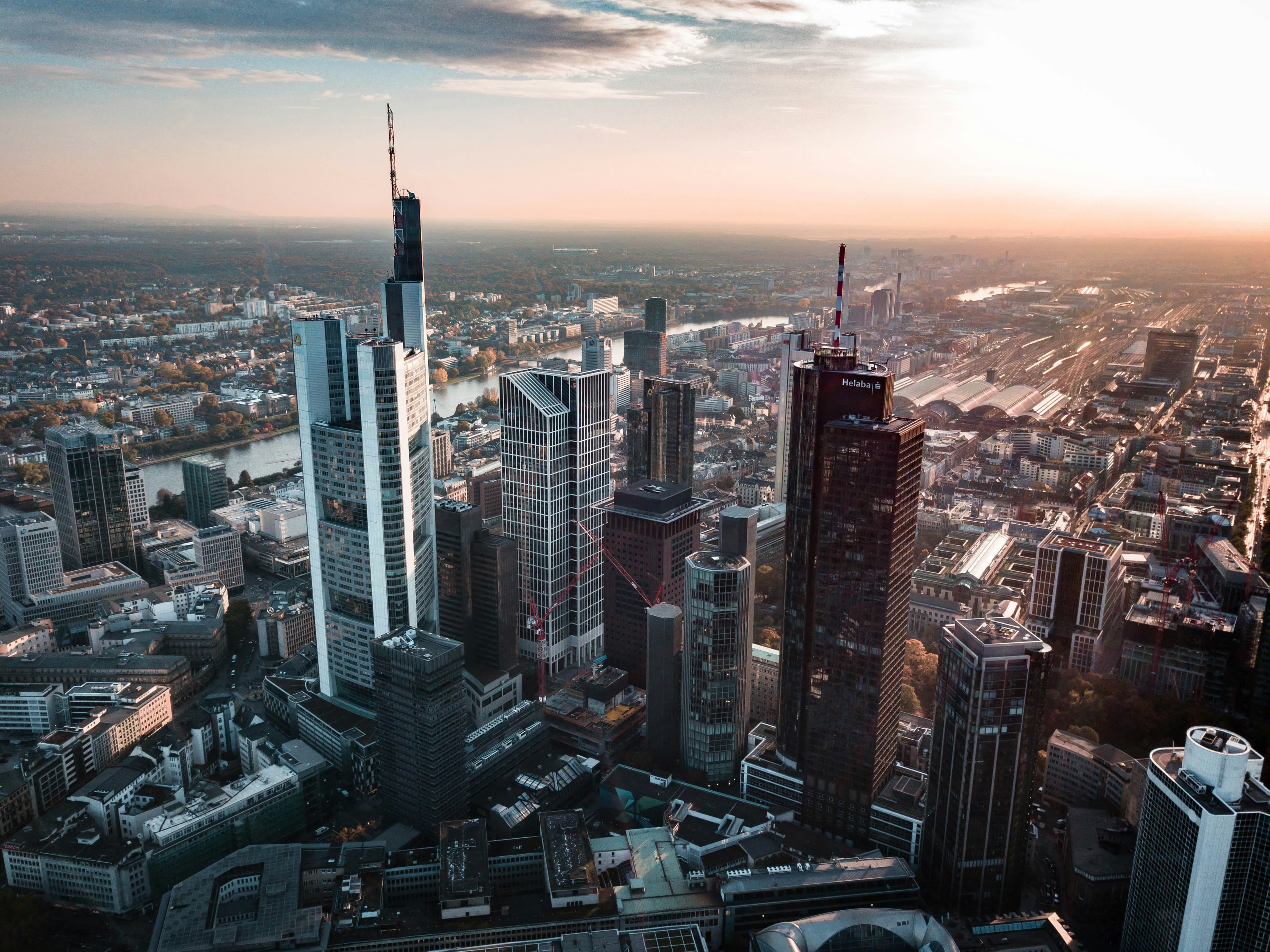
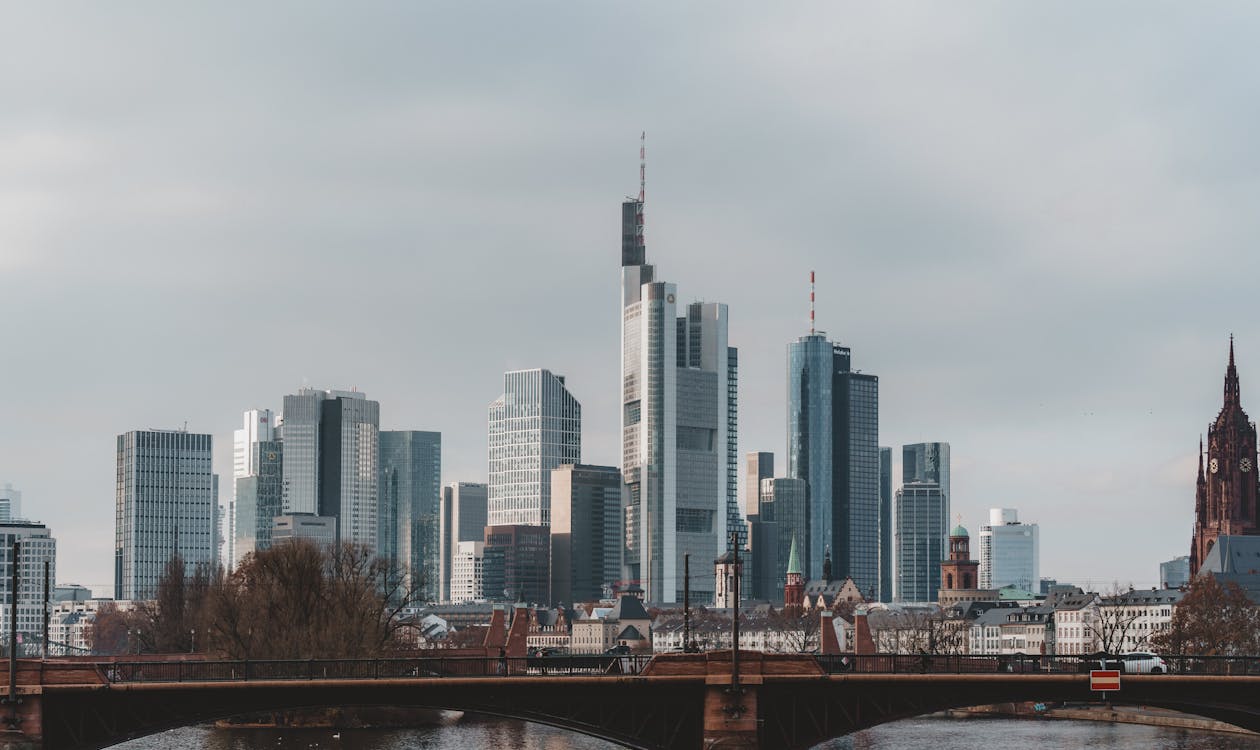
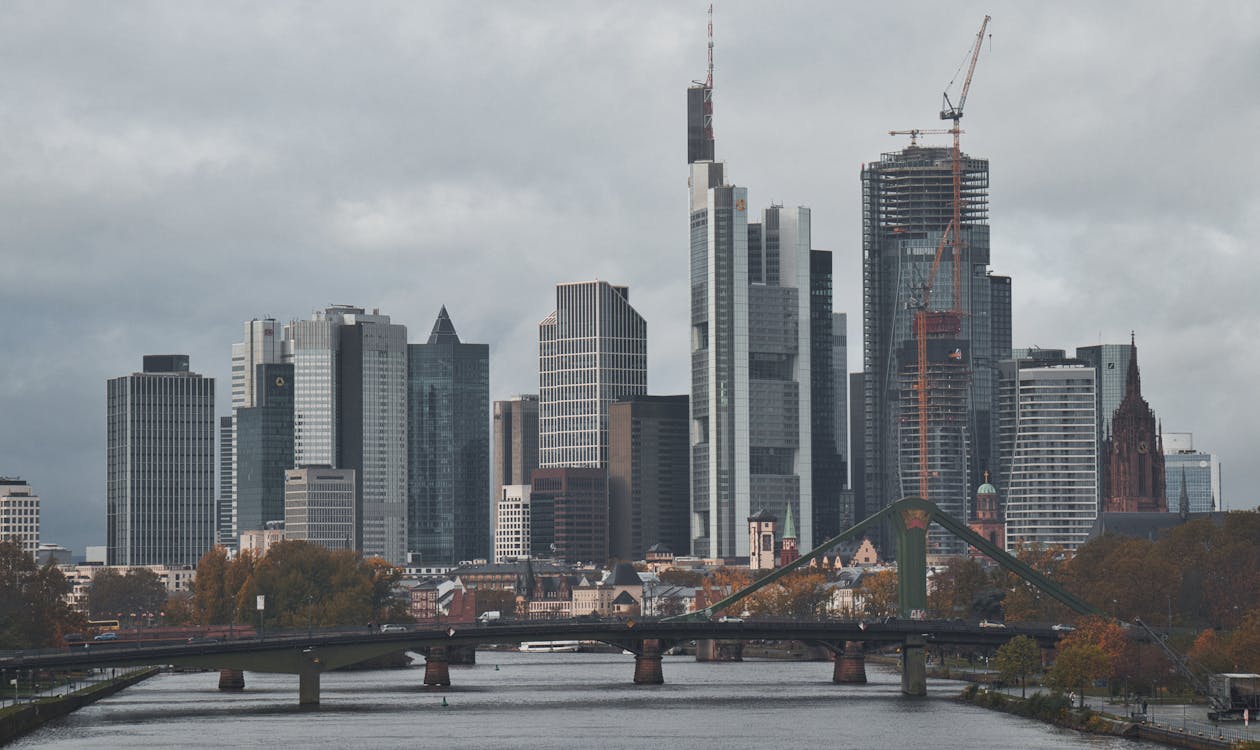
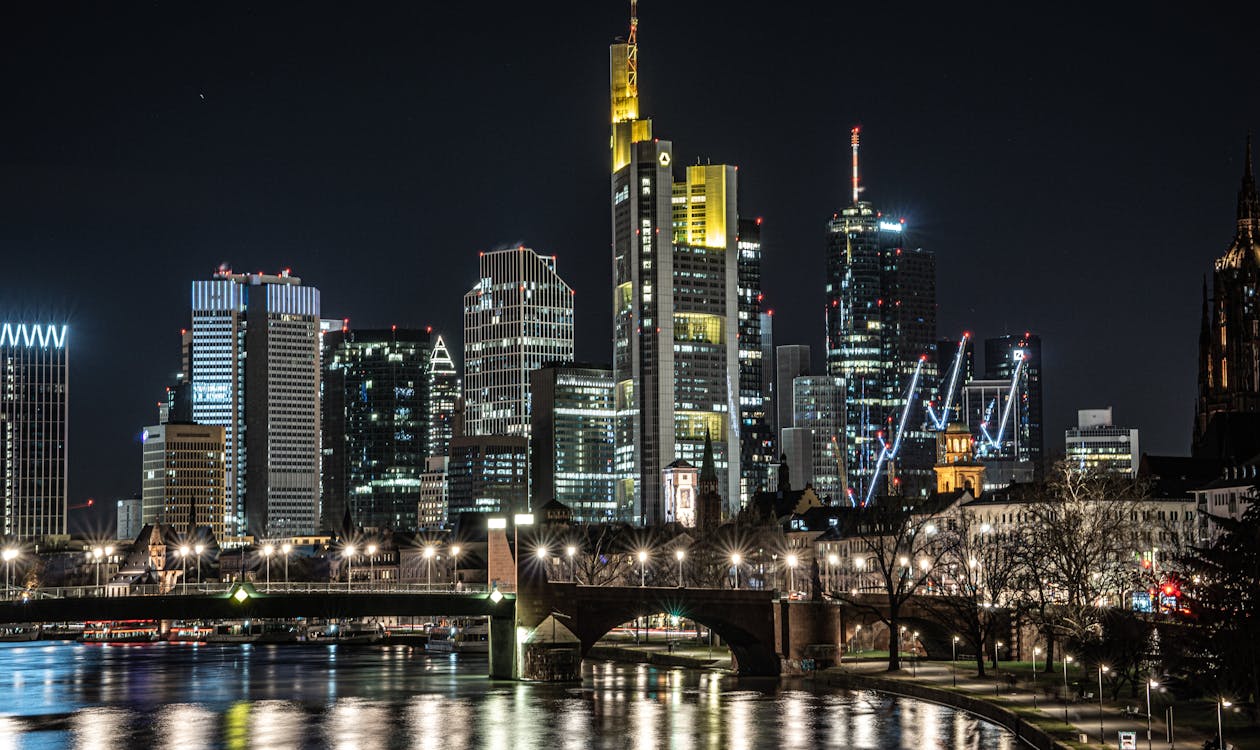
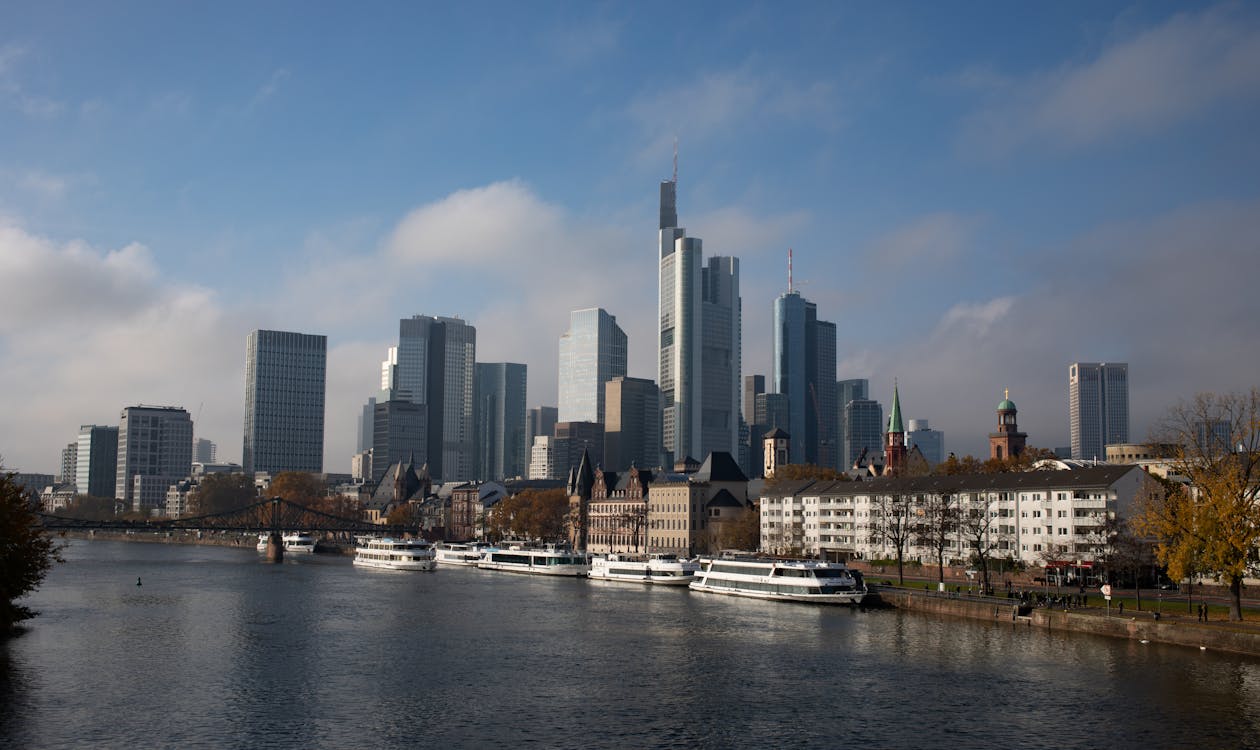
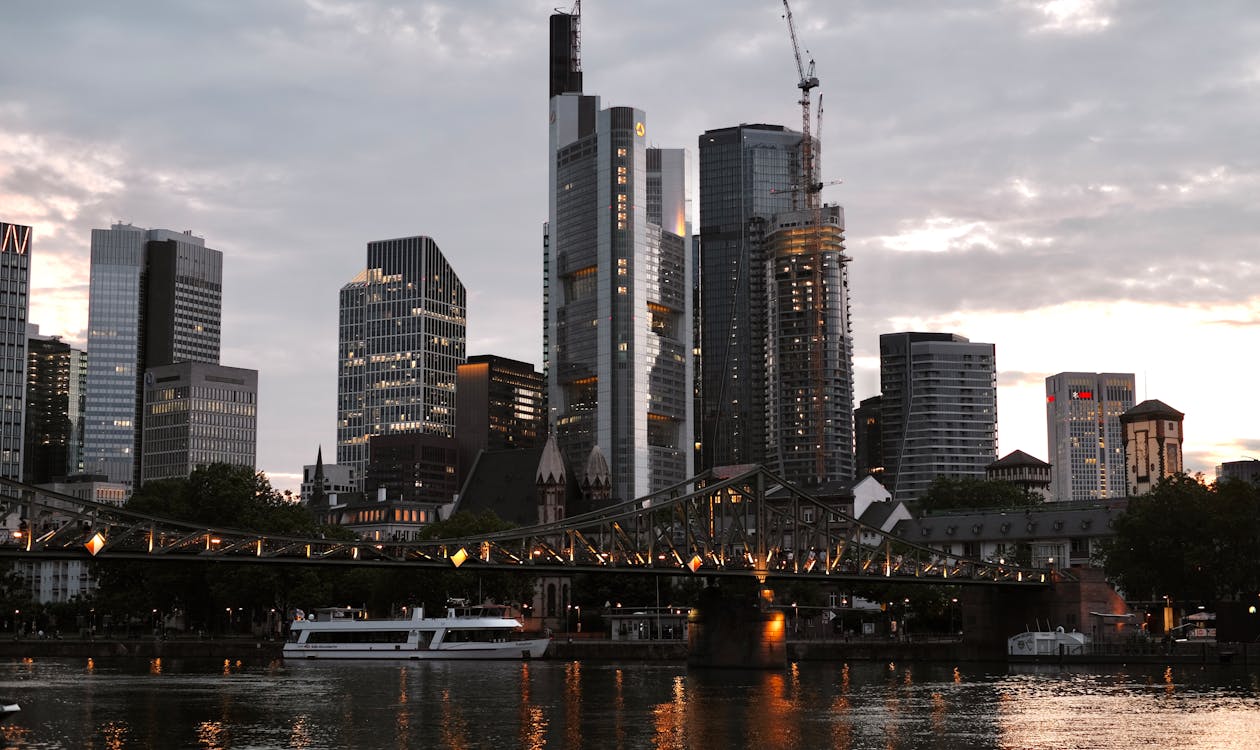
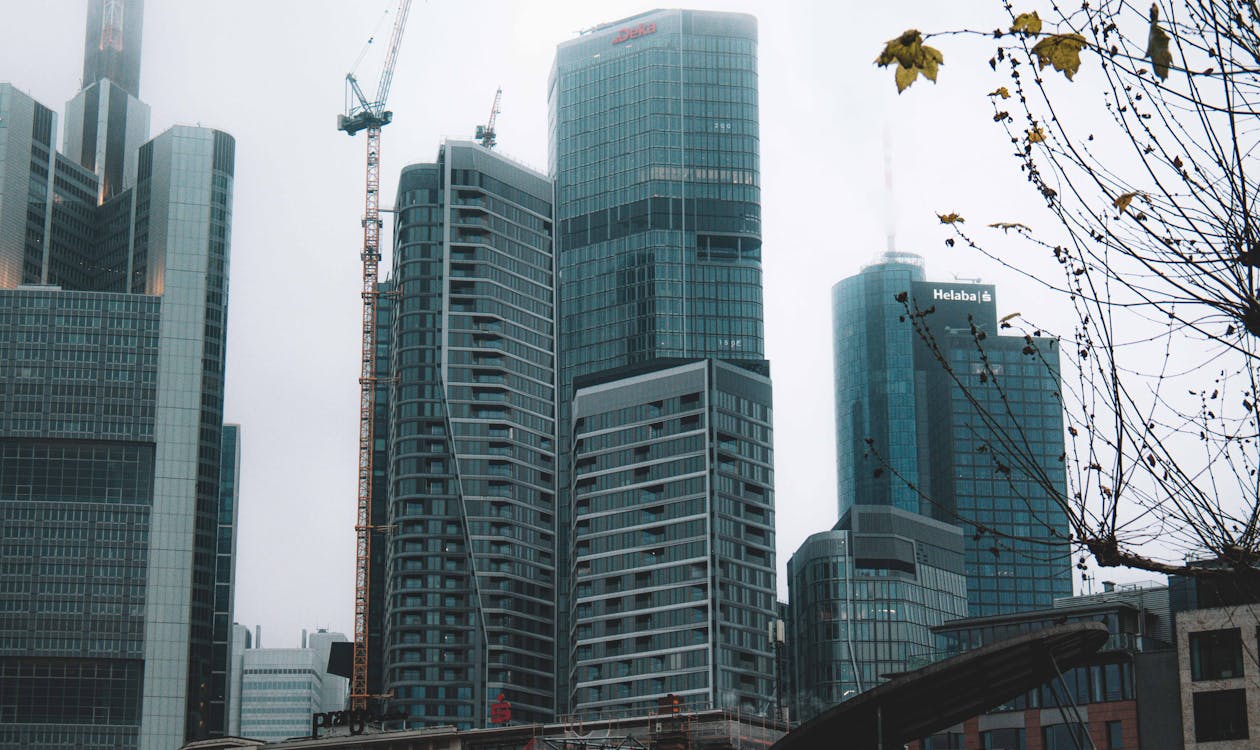
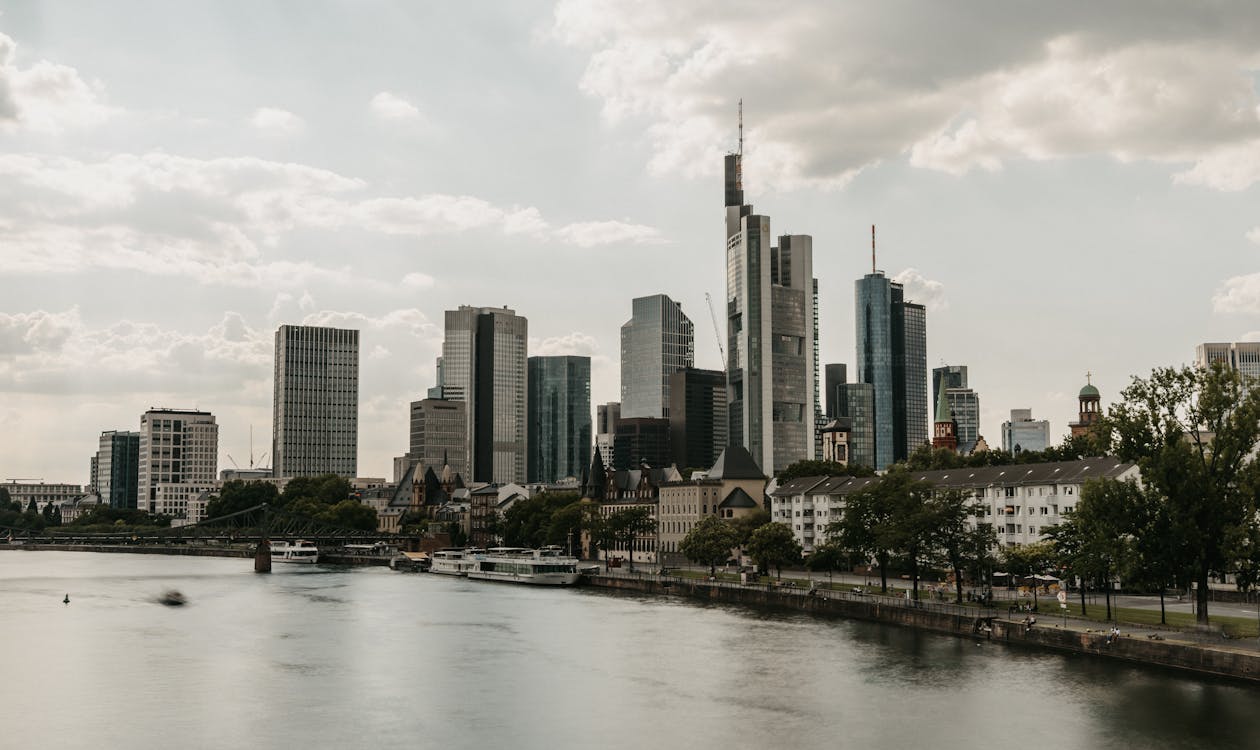
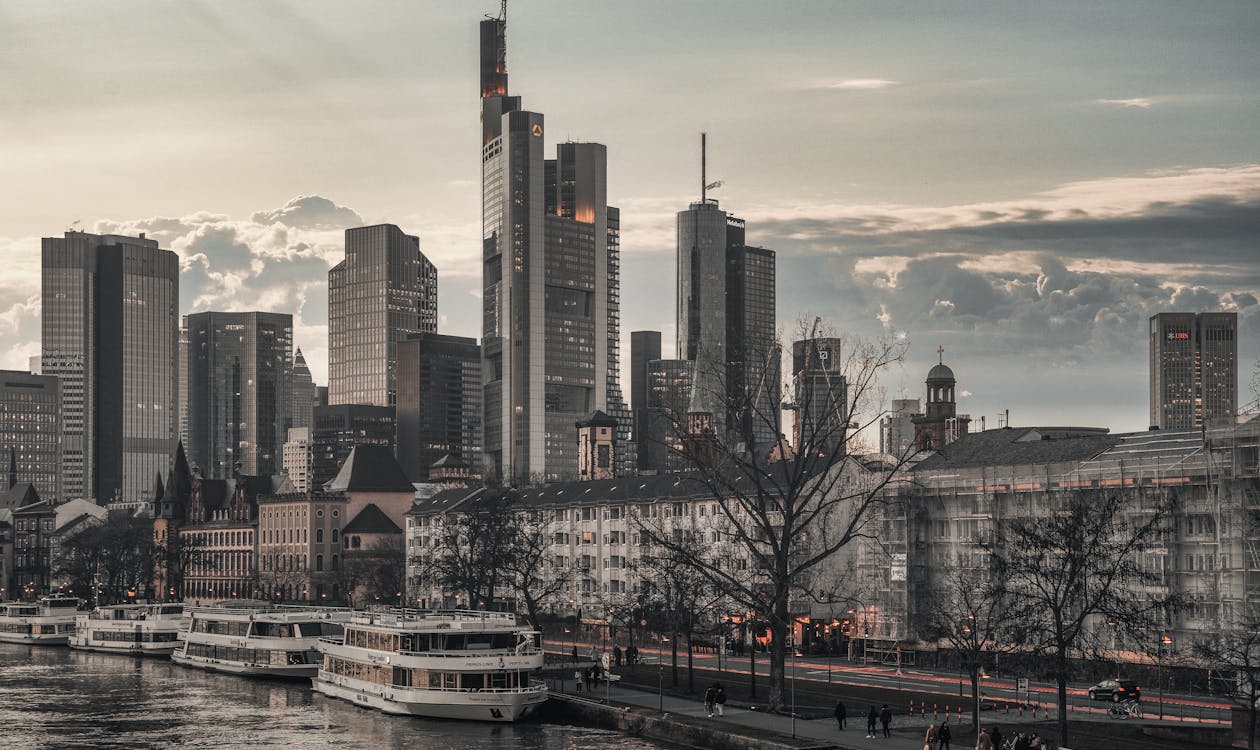
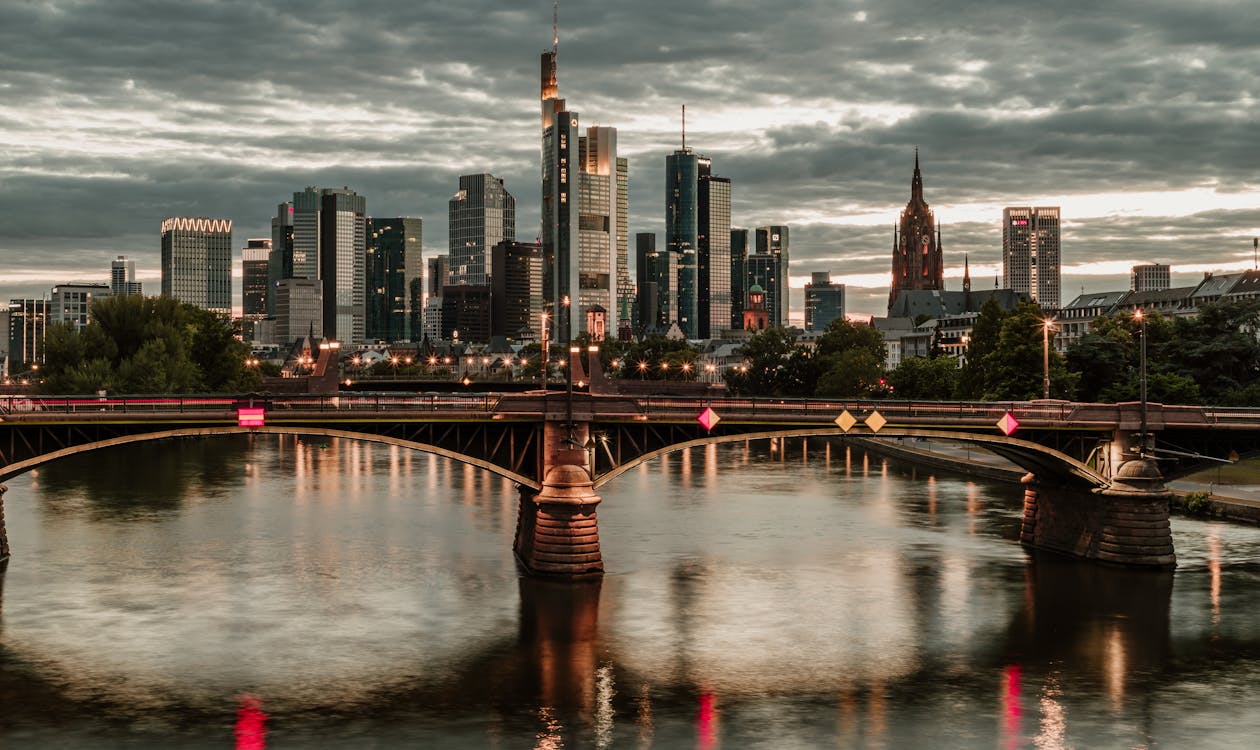
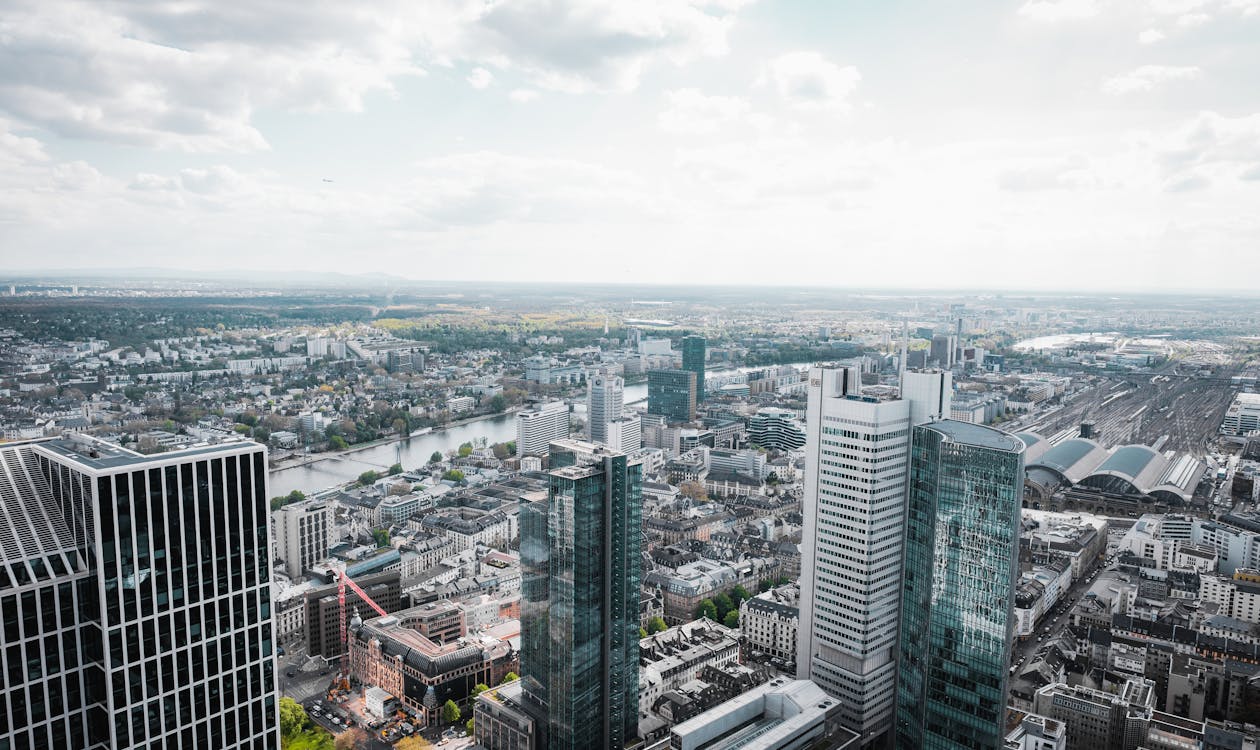
Frankfurt am Main is not the city most Europeans picture when they think of smart cities. Its skyline — the only true cluster of skyscrapers in Germany, earning the nickname "Mainhattan" — speaks of banking, not bytes. Yet beneath the glass towers of the European Central Bank and the headquarters of Deutsche Bank runs a different kind of infrastructure entirely: the densest digital interconnection ecosystem on the planet. A 2025 study by the Dstream Group, commissioned for DE-CIX Management GmbH 30th anniversary, ranked Frankfurt the world's number one Digital Capital — ahead of Amsterdam, London, Washington D.C., and Singapore. With 20 Internet Exchanges, 200 terabits of connected port capacity, and 2,500 unique networks, "Frankfurt is peerless within the global interconnection landscape," the study concluded.
This invisible backbone shapes everything about how Frankfurt approaches the smart city. With a population of roughly 776,000 — modest by European capital standards — the city punches vastly above its weight as a node in the global data economy. DE-CIX Management GmbH, the world's largest Internet Exchange by connected networks, contributes an estimated €3.7 billion annually to the German economy and €340 million to the state of Hesse alone. Google has announced further billions in data centre investment in the Rhein-Main region, with plans to feed waste heat from a new facility in nearby Dietzenbach into the local district heating network — potentially warming over 2,000 households.
Yet this concentration of digital infrastructure also creates tension. Frankfurt faces an ever-growing demand for data centre space that competes directly with housing and commercial development — a peculiarly Frankfurtian version of the land-use conflicts that define smart city politics across Europe.
From Bankers' Towers to Climate Targets
Frankfurt's political leadership has framed the city's digital ambitions within an unusually aggressive climate agenda. In May 2022, the Frankfurt city assembly (Stadtverordnetenversammlung) passed a comprehensive climate protection package committing the city to climate neutrality by 2035, with the municipal administration itself reaching that goal by 2030. Nineteen binding resolutions underpin the target, covering building energy, transport, and renewable energy.
This was not a sudden shift. Frankfurt joined the European Climate Alliance as a founding member in 1990, developed its first energy and climate protection concept in 2008, adopted a "Masterplan 100% Klimaschutz" in 2012, and launched a cross-sector Climate Alliance (Klimaallianz) in 2019. The city earned a reputation as Germany's "Passivhaus capital" from 2005, requiring the ultra-low-energy building standard for all new municipal construction — a policy that has since shaped thousands of housing units.
On 29 January 2026, the Stadtverordnetenversammlung adopted the Nachhaltigkeitsstrategie Frankfurt 2030+, structured around four priority fields: global responsibility and sustainable procurement, sustainable urban development, climate / environment / resources, and sustainable mobility. It now sits at the heart of the Frankfurt Green City process and provides the strategic frame against which the city's smart-city pilots will be measured for the rest of the decade.
The city's smart city participation platform, "Frankfurt fragt mich" (Frankfurt Asks Me), frames the digital agenda in distinctly civic terms: "Becoming a 'smart city' means improving people's living conditions while conserving resources." The platform invites residents to co-shape what it calls "the intelligently networked city of tomorrow," and the annual Smart City Forum, held as part of the national Frankfurter Digitaltag 2025, opens institutional doors to the public. In June 2025, dozens of companies, research centres, and civic initiatives presented digital projects across the city in a day-long programme designed to make digitalisation visible and debatable.
Where Freight Meets Fibre
Frankfurt's smart city ecosystem sits at the intersection of two powerful clusters: financial technology and logistics. The House of Logistics and Mobility (HOLM), an innovation lab located at Frankfurt Airport — Europe's fourth-busiest — brings together research institutions, startups, and established companies to develop intelligent solutions for transport, last-mile delivery, urban freight, and connected mobility. HOLM operates as a publicly funded platform of the state of Hesse, hosting co-working space, accelerator programmes, and an annual cycle of events connecting the logistics industry with urban innovation.
Frankfurt Economic Development GmbH has worked to position the city as a hub where financial and digital innovation converge. Through the European URBACT programme "In Focus," the agency developed a Frankfurt Economic Development Smart Specialisation identifying competitive advantages in four areas: cluster-based economic development, startup ecosystem strengthening, SME innovation support, and city branding. The strategy recognised that Frankfurt's traditional strengths in finance and logistics provide a powerful platform for smart city innovation — but that the city needed to more deliberately cultivate its technology startup ecosystem to capture the full economic potential.
The Fraunhofer IAO — Morgenstadt Initiative, Germany's most prominent applied research programme for smart cities, has developed a City Index that maps urban performance across 28 indicators grouped into four pillars: liveable, environmentally friendly, innovative, and resilient. Dr. Steffen Braun, who leads the initiative, has argued that "too much thinking and planning still takes place in individual sectors — energy systems are being developed, mobility and supply are being improved — but there is no cross-sectoral action. Cities are systems in which many processes run simultaneously and influence each other." Frankfurt, with its interlocking financial, logistics, and digital infrastructure clusters, is precisely the kind of city where this cross-sectoral thinking is both most needed and most possible.
The [ui!] Urban Software Institute, a Frankfurt-based startup, has developed integrated urban data platforms and analytics solutions used by German municipalities to manage energy, mobility, and environmental data — a local company building the digital tools that cities like Frankfurt need to operationalise their climate ambitions.
Trains That Think, Streets That See
Frankfurt's most transformative deployment may be happening underground. The Frankfurt Digital Train Control (CBTC) project launched its first test runs in October 2025, combining Communications-Based Train Control with Cooperative Intelligent Transport Systems (C-ITS) technology for the first time. Traffic lights at street level automatically respond to approaching trams and subway trains, improving punctuality and energy efficiency. The goal is to transport significantly more passengers on existing infrastructure without building new lines — a pragmatic response to a growing city with limited room to expand its rail network. By 2033, all relevant lines are expected to operate under the new system with semi-automated train operations.
Above ground, Frankfurt has deployed LiDAR-based smart safety systems developed by Innoviz Technologies and the Swedish firm Flasheye, using real-time perception technology to improve public safety in high-traffic urban areas — one of the first deployments of its kind in a German city.
The city's Urban Data Platform, developed in partnership with meteoblue, integrates municipal and meteorological data to give residents and planners actionable insights: air quality levels, electric vehicle charging station availability, pedestrian traffic flows, and forecasts of crowd density hours in advance. The platform represents a shift toward making urban data not just available but genuinely useful in daily decisions.
Major trade fairs hosted by Messe Frankfurt reinforce the city's position as a marketplace for urban technology. The Light + Building 2026 edition (8–13 March 2026), under the motto "Be Electrified – Electrifying Places. Illuminating Spaces.", was organised around three top themes — sustainable transformation, smart connectivity, and living light — with explicit focus on energy-efficient systems, electricity-based heating, intelligent networks and sustainable urban districts. The fair Hypermotion Frankfurt 2025 connects the mobility, logistics, and digital infrastructure sectors. ISH Frankfurt 2025 showcases water, heating, and air technologies. And the Messe Frankfurt Smart Building Technology Forum 2026 at Messe Frankfurt brings together practitioners working on the built environment of tomorrow.
In 2026, the wider Frankfurt RheinMain region also became Germany's first to hold the title of World Design Capital, under the motto "Design for Democracy. Atmospheres for a better life." Up to 2,000 events across some 450 projects — from Darmstadt and Wiesbaden through Offenbach and Hanau to Frankfurt am Main — are framing design as a tool to make urban transformation more democratic, participatory and economically sustainable, with the World Design Capital Hub at the Museum Angewandte Kunst acting as the central forum. Few cities in Europe host such a dense calendar of events at the intersection of construction, energy, and digital technology.
Mainhattan's Other Skyline
To experience Frankfurt's smart city, look not at the glass towers but at the buildings between them. The city's Passivhaus legacy means that thousands of homes, schools, and municipal buildings across Frankfurt consume a fraction of the energy their neighbours use — a quiet revolution in how a major European city heats and cools itself. Walk through the Europaviertel or Riedberg districts and you encounter neighbourhoods where ultra-low-energy design is the norm, not the exception.
Or visit the Frankfurter Digitaltag 2025, held each June, when dozens of digital spaces across the city open their doors. Data centres that normally operate behind locked fences welcome curious residents. University labs demonstrate prototypes. Civic tech initiatives explain how urban data is collected and used. It is a deliberate effort to make the digital infrastructure that defines Frankfurt visible to the people who live alongside it.
Frankfurt's relationship with technology is shaped by its character as a city of transactions — a place where things connect, where flows converge, where deals are made. The Frankfurt Book Fair (Frankfurter Buchmesse), the world's largest, has been convening publishers and authors since the 15th century — making Frankfurt a hub for the exchange of ideas long before the first data packet crossed DE-CIX. There is a continuity here: a city that has always understood its role as a node, a meeting point, a place where what passes through matters as much as what stays. Today, that instinct expresses itself in 200 terabits of interconnection capacity and a climate target that demands the city reimagine how all of that infrastructure is powered. Frankfurt's smart city story is not about spectacle. It is about the invisible systems that hold a connected continent together — and the growing ambition to make those systems sustainable.
References12 resources11 external
Resources
Event
Frankfurter Digitaltag 2025
Citizens of all ages, promoting digital inclusion through workshops, talks, and smart city demos.
Organisation
DE-CIX Management GmbH
Operates global internet exchange points, enabling low‑latency connectivity for smart city services.
Organisation
Frankfurt Economic Development GmbH
Promotes investment, supports tech startups, and drives digital‑infrastructure urban innovation.
Project
Frankfurt Economic Development Smart Specialisation
Frankfurt leveraged finance, logistics strengths to launch cross‑sector startup accelerators and SME digitalisation programmes.
Organisation
[ui!] Urban Software Institute
Creates unified urban data platforms and analytics to enable evidence‑based city decisions.
Event
Messe Frankfurt Smart Building Technology Forum 2026
For architects, engineers, facility managers, and tech firms: explore smart building innovations and sustainability.

Organisation
Fraunhofer IAO — Morgenstadt Initiative
Advances sustainable urban development through smart city research, testing, and collaborative solutions.
Organisation
House of Logistics and Mobility (HOLM)
Innovation campus fostering logistics and mobility research, education, and smart urban solutions.
Event
Light + Building Frankfurt 2026
Professionals in lighting, building tech, and smart city planning; trade fair showcasing intelligent building innovations.
Event
ISH Frankfurt 2025
Professionals in HVAC, water management, and renewable energy explore smart building technologies and sustainability.
Project
Frankfurt Digital Train Control (CBTC)
First German rail system combining underground CBTC with street‑level traffic‑signal priority.
Event
Hypermotion Frankfurt 2025
For mobility professionals and researchers exploring future transport, logistics, and digital infrastructure innovations.
External Sources
Frankfurt: The Digital Capital — DE-CIX/Dstream Studyde-cix.netKlima und Energie in Frankfurt am Mainfrankfurt.deSmart City — Frankfurt fragt michffm.deFrankfurt's Urban Data Platformmeteoblue.comFrankfurt launches first Digital Train Control: CBTC & C-ITSyunextraffic.comDigitaltag Frankfurt — Smart City Forum 2025digitaltag-frankfurt.deFrankfurt Rhein-Main festigt Position als Digitalstandorthessen.deCities in Motion: Frankfurt — the Sustainable Superstarhyundai.comNachhaltigkeitsstrategie Frankfurt 2030+frankfurt.deFrankfurt Rhine-Main Is World Design Capital 2026detail.deSustainable Transformation — Light + Building 2026light-building.messefrankfurt.com