Hungary
A Capital City Catching Up — on Its Own Terms
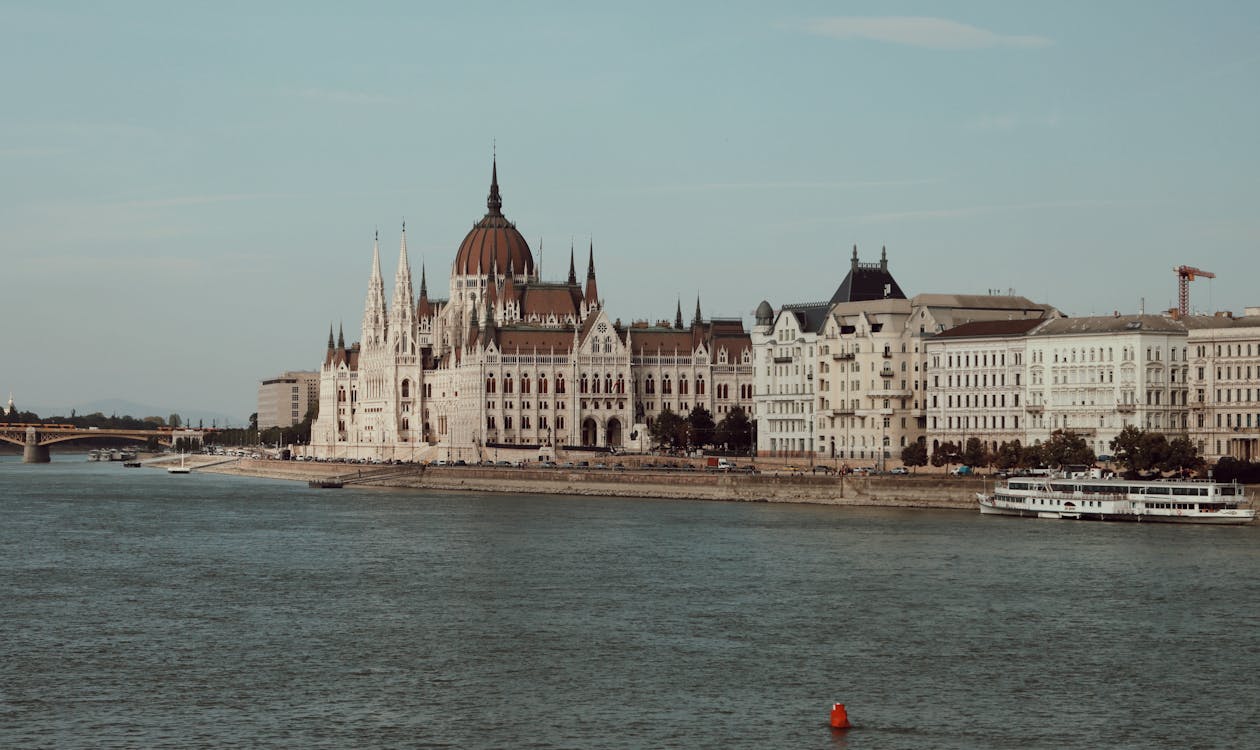
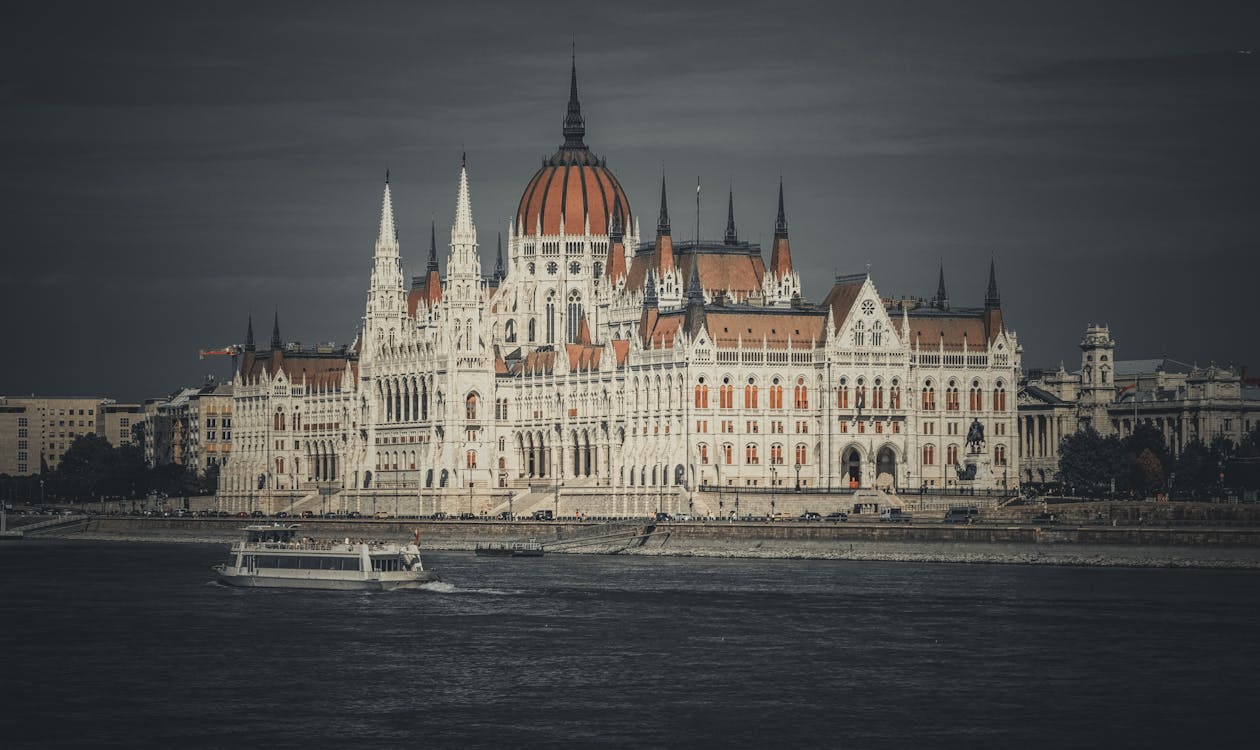
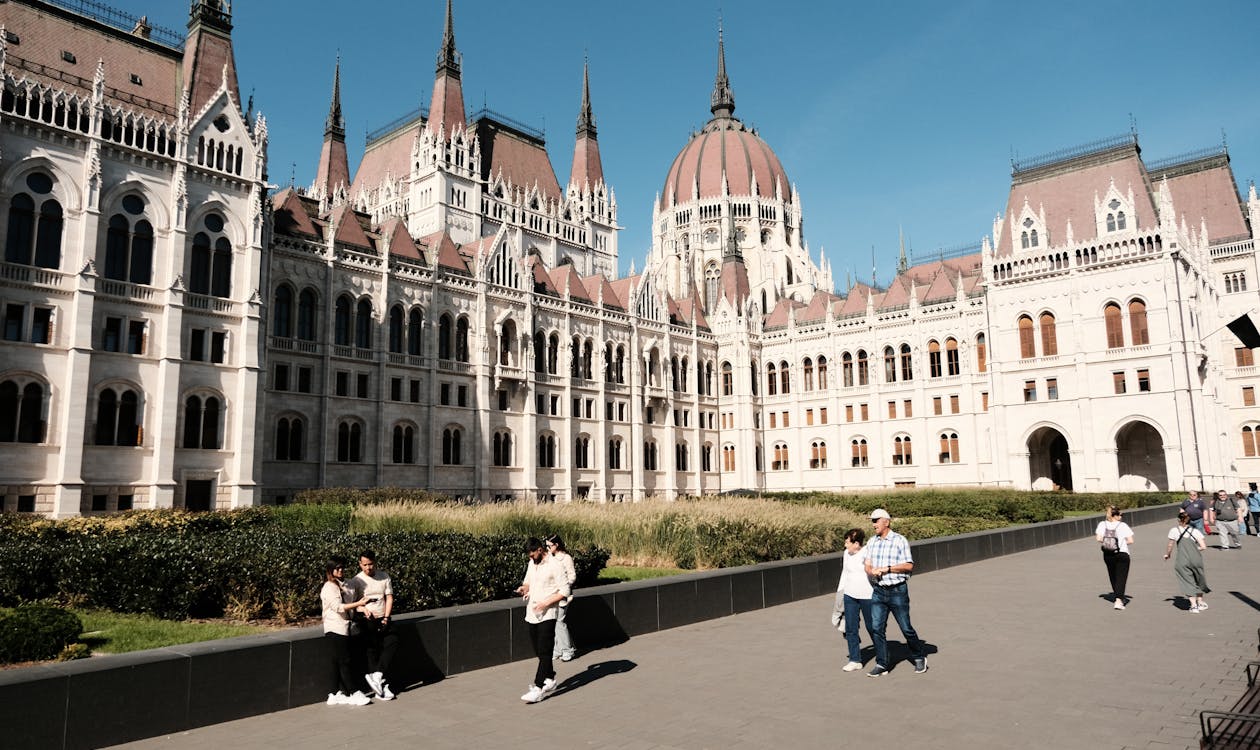
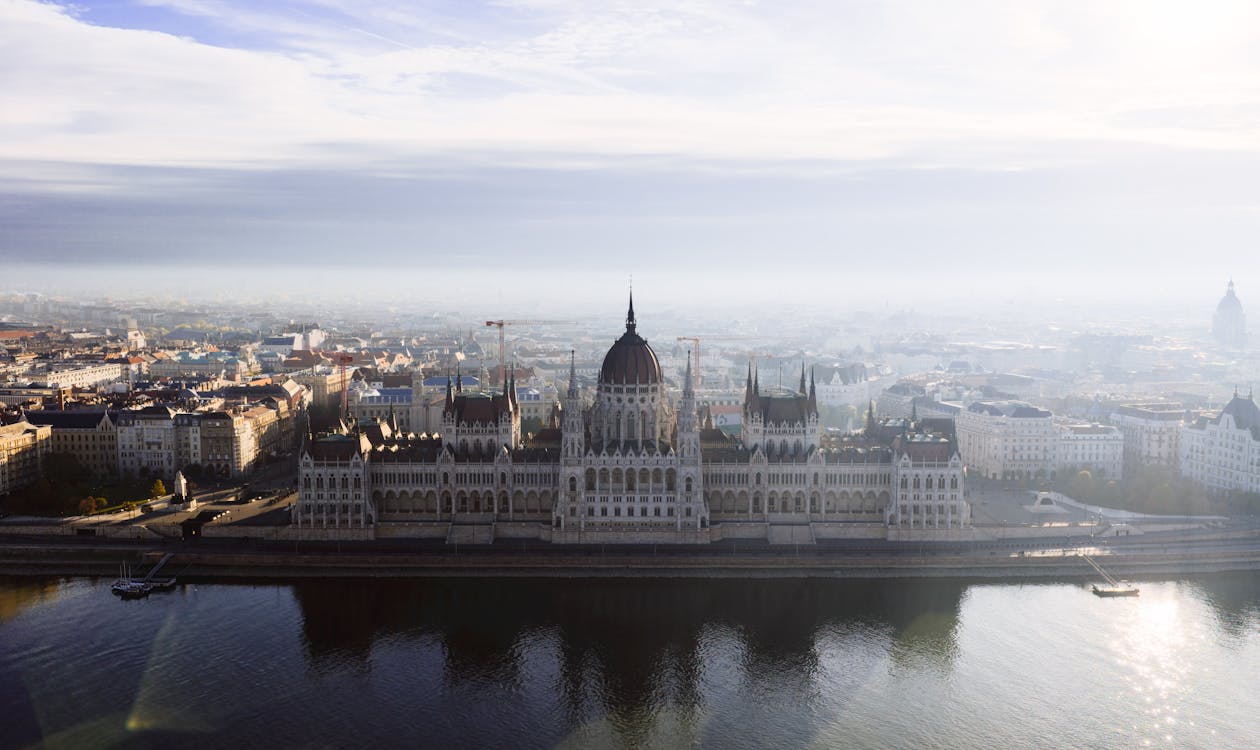
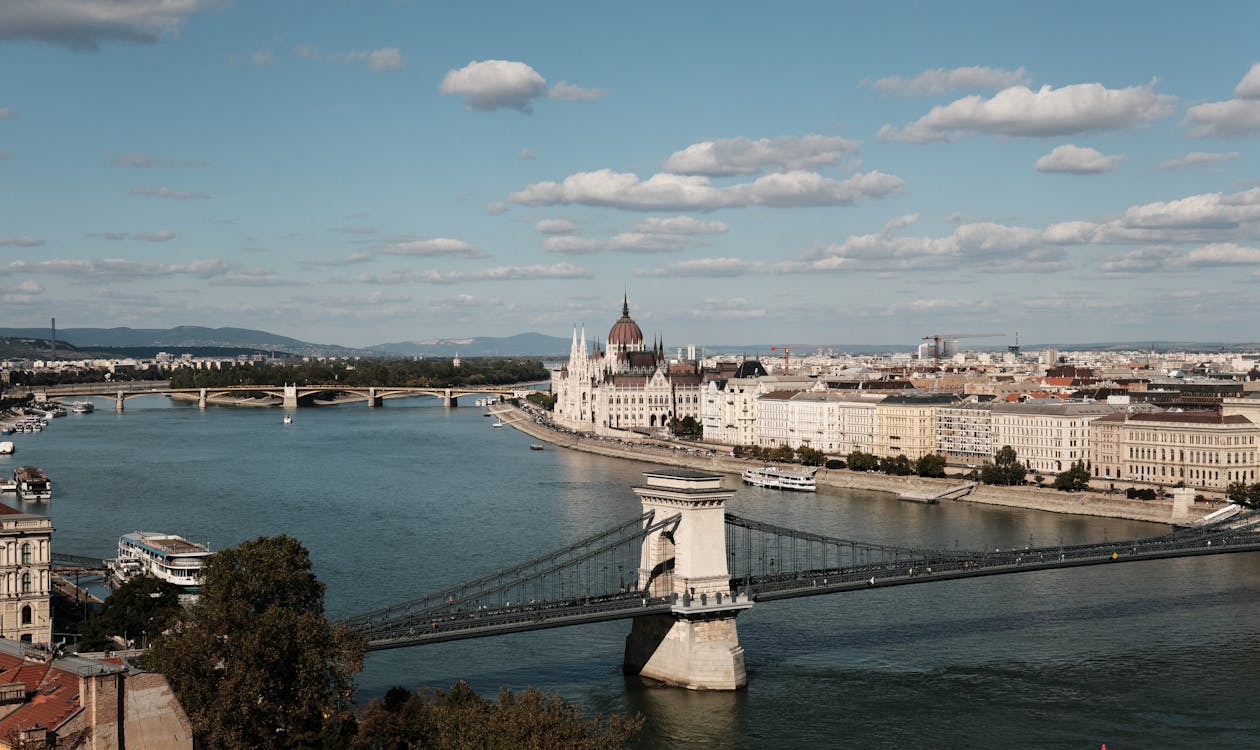
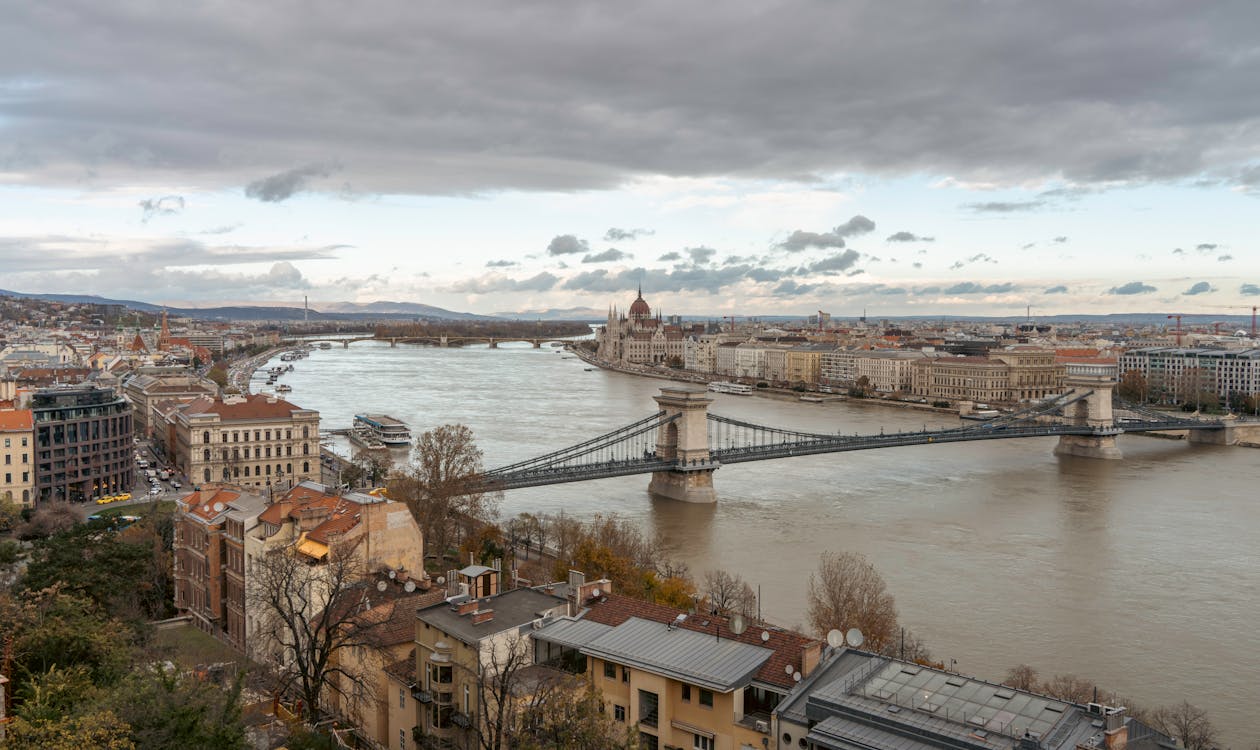
Hungary's smart city story is, in large part, a Budapest story. Nearly a third of the country's 9.6 million people live in or around the capital, and it is here that most of the institutional capacity, tech talent, and political ambition for urban innovation is concentrated. Outside Budapest, cities like Debrecen, Szeged, and Zalaegerszeg have adopted smart city language in their urban development plans, but implementation remains patchy and largely dependent on EU-funded programmes. The result is a landscape defined by a single dominant metropolis doing serious, if uneven, work — and a broader national conversation that is still finding its feet.
What makes Hungary interesting is not scale but trajectory. A decade ago, smart city activity consisted mostly of isolated pilots and municipal competitions. Today, Budapest has a dedicated Smart Budapest Framework Strategy, a growing ecosystem of mobility and climate startups, and an expanding role in European innovation networks. Hungary also hosted the EIT Innovation Awards in Budapest in November 2025, drawing 908 applications from 17 countries — a signal that the city is becoming a credible venue for European-level innovation events.
The Politics of Digital Ambition
Hungary's national government adopted the National Digitalisation Strategy 2022–2030, structured around four pillars — digital infrastructure, digital skills, the digital economy, and digital public services — and explicitly aligned with the European Union's Digital Decade targets. The ambition is bold: the government aims for Hungary to rank among the top ten EU member states for digitalisation by the middle of the decade. The European Commission's 2025 Digital Decade country report acknowledges that Hungary already boasts "very good digital infrastructure," but notes persistent gaps in the digitalisation of businesses and in digital skills across the population. Hungary's roadmap includes 44 measures backed by a budget of €2.489 billion, of which €1.822 billion comes from public funds.
At the city level, political dynamics add complexity. Budapest's liberal municipal government, led by Mayor Gergely Karácsfalvy, has often pursued a different agenda from the national conservative administration — and smart city investment has sometimes been caught in that tension. The Municipality of Budapest — Chief Digital Officer function was established to provide cross-departmental strategic leadership on digital matters, coordinating everything from the city data platform to open data and cybersecurity. But in practice, the CDO's capacity depends on municipal budget negotiations that are shaped by national-local political friction.
The country's approach to smart city coordination has evolved. In 2015, the government assigned the Lechner Knowledge Centre to coordinate smart city initiatives and connect public and private actors. In 2021, Government Decree 256/2021 required Hungary's major cities and urban agglomerations to prepare sustainable urban development strategies — a step that has, for the first time, formalised the connection between smart city thinking and spatial planning beyond Budapest.
Budapest's Innovation Ecosystem: Small but Purposeful
Budapest's smart city ecosystem is compact compared to Berlin's or Amsterdam's, but it has genuine institutional depth. The Budapest Enterprise Agency (BEA) (BEA) manages the Smart Budapest Initiative, the city's flagship programme for integrating digital technologies into governance and urban services. BEA also runs the Smart Budapest Fund, which provides financing and mentoring for startups developing solutions that can be piloted in the capital. The programme grew out of a 2021 Smart Budapest Idea Competition that attracted over 100 entries, twelve of which were selected to pitch directly to municipal leaders and company directors.
On the research side, the Budapest University of Technology — Smart City Lab (BME) operates a Smart City Lab conducting applied research on IoT sensor networks, traffic optimisation, digital twins, and urban data analytics. BME's researchers work closely with BKK, the city's transport authority, and with utility companies to develop solutions grounded in Budapest's specific infrastructure constraints — ageing district heating systems, legacy tram networks, and a housing stock that ranges from 19th-century inner-city apartments to socialist-era panel buildings.
Design Terminal Budapest, Hungary's leading startup incubator, occupies the intersection of design thinking, technology, and urban development. Its smart city acceleration programmes have produced alumni companies now operating across multiple European markets. And EIT Urban Mobility — Budapest Hub gives the city a direct connection to a pan-European network of over 50 cities working on sustainable transport, with a particular focus on the mobility challenges of central and eastern Europe.
"Budapest moved forward seven ranks and reached the 17th rank in the Economist Best Cities ranking in 2015, which is a great achievement in the regional comparison," the Smart Budapest vision document notes — a figure the city has used to anchor its claim that smart approaches to urban management deliver measurable quality-of-life improvements.
From FUTÁR Screens to Danube Sensors: What Budapest Has Actually Built
The most visible piece of smart infrastructure in Budapest is BKK FUTÁR Intelligent Transport System, the capital's intelligent transport system. Operated by the Centre for Budapest Transport, FUTÁR uses GPS-based vehicle tracking to provide real-time arrival predictions across the city's metro lines, trams, buses, trolleybuses, and suburban railways — a network serving over one million daily journeys. Electronic displays at stops, a mobile app, and a web-based journey planner have transformed the passenger experience. Behind the scenes, FUTÁR feeds data to dispatchers for real-time network monitoring and enables traffic signal priority for trams and buses at intersections. The system also provides open data feeds for third-party developers, contributing to Budapest's wider open data ecosystem.
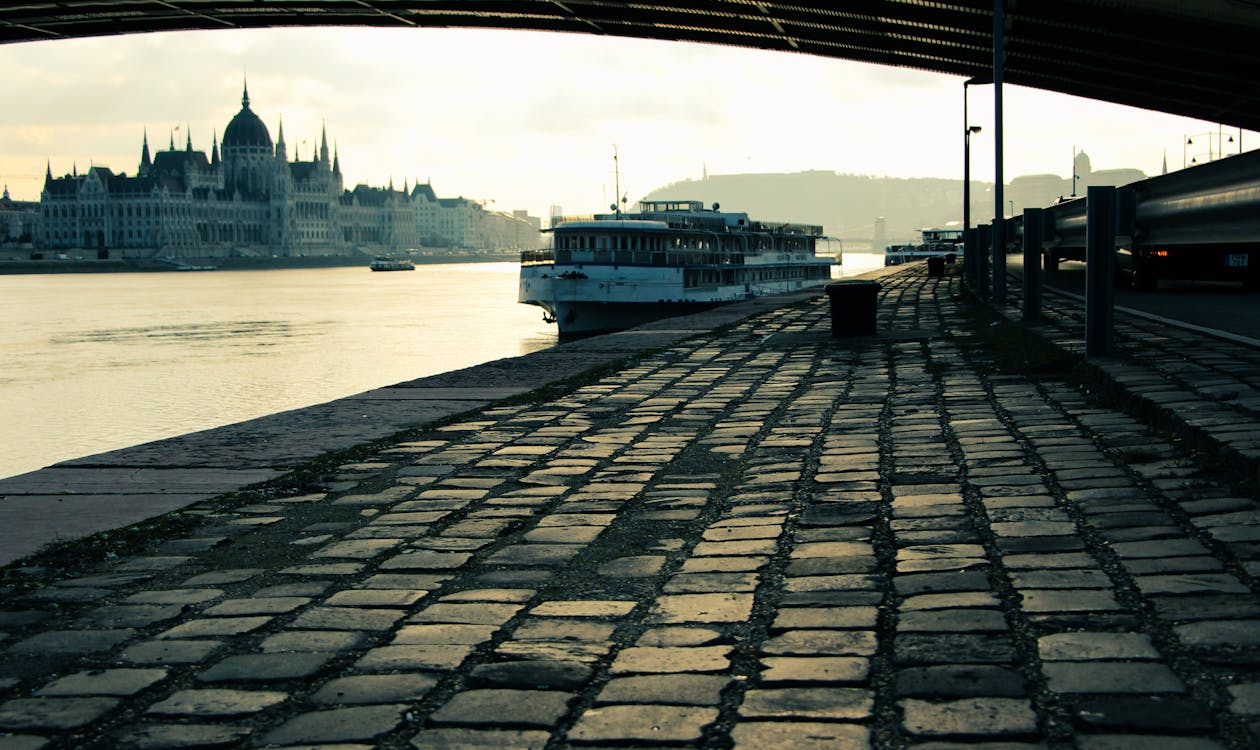
More ambitious but still emerging is the Budapest Danube Smart Riverbank Regeneration programme, which envisions the transformation of selected riverbank sections into mixed-use public spaces equipped with IoT sensors monitoring water levels, air quality, noise, and pedestrian flows. Smart flood protection systems, informed by real-time river monitoring and weather forecasting, are intended to address the Danube's significant flood risk — a practical necessity in a city where the river's historic flood levels are marked on buildings throughout the inner districts.
Budapest is also a participant in the EU Mission for 100 Climate-Neutral and Smart Cities by 2030. The city's Budapest Smart Green City Award sets targets to reduce carbon emissions by 80 per cent, with the remaining 20 per cent offset. Through the NetZeroCities programme, Budapest launched the CARES pilot — a Climate Agency for Renovation of Homes — to tackle the low energy performance of private buildings and energy poverty, two of the city's most stubborn sustainability challenges.
Meanwhile, at the neighbourhood level, Budapest's District Eight has become something of a living laboratory for street-level transformation. Under Deputy Mayor Dániel Rádai, the district has reclaimed traffic-dense streets as pedestrian areas, expanded green space, and reallocated parking to community uses — work supported by the EU-funded Upper and Reallocate projects and coordinated through the Centre for Budapest Transport.
Where the Smart City Meets the Thermal Bath
If you want to experience where technology and everyday life intersect in Budapest, start with your phone. Open the FUTÁR app on a chilly morning and watch the tram icon crawl in real time along the Danube-side track. Step off at Széchenyi thermal bath — one of the city's 1,300 hot springs — and you are standing in a place that embodies a distinctly Hungarian paradox: a culture that prizes slowness, warmth, and unhurried conversation, yet a city that is steadily wiring itself for speed and data.
The Budapest 2030 Long-Term Urban Development Concept captures this tension explicitly, framing the capital as a place where heritage preservation, social inclusion, and smart technology must coexist. The concept's five spatial zones — from the historic inner core to the Buda hills — each carry tailored development priorities that acknowledge Budapest's layered identity.
Hungarians have a word for the quality of a good gathering: hangulat — roughly, the mood or atmosphere of a place. It is a concept that resists digitalisation and insists on human presence. The most credible smart city work in Budapest recognises this. The best projects — the pedestrianised streets of Józsefváros, the real-time tram tracker, the riverbank sensors — do not replace hangulat. They make the city more navigable, more resilient, and a little more fair, so that there is more room for the things that cannot be optimised.
References8 resources8 external