Overview of Camera Visibility in Public Spaces
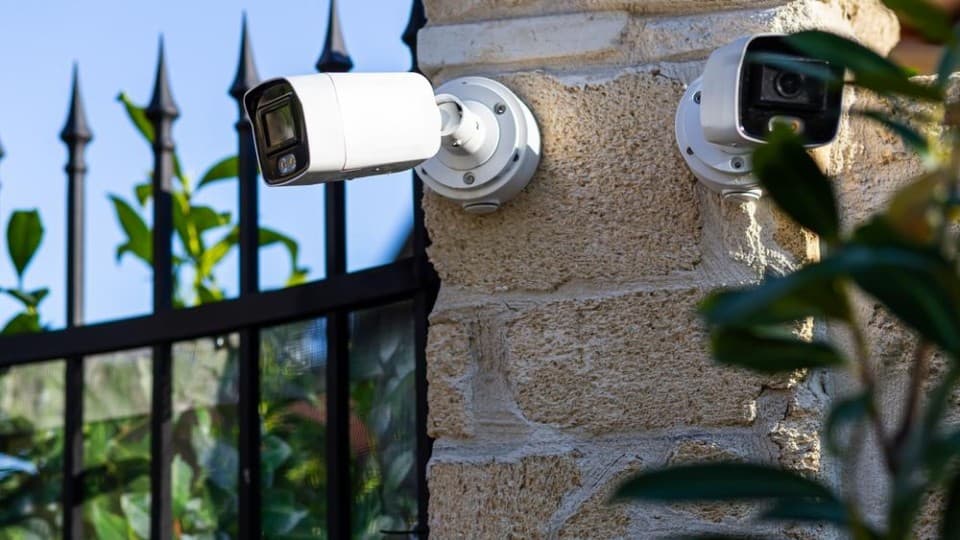
The article “Who has visibility over all cameras in the public space?” published by Binnenlands Bestuur and featured on Nieuwsuur examines the current state of camera surveillance across Dutch municipalities. It highlights a recent survey of 30 municipalities, revealing that almost none can accurately count the number of private cameras monitoring public streets. An expert estimates that 2–3 million private cameras are installed, representing roughly 1 % of the total camera infrastructure, while municipal registration obligations, such as those in Amsterdam, are rarely enforced.
Survey Findings and Key Statistics
The survey indicates a significant gap in municipal oversight: only a small fraction of local governments maintain an inventory of private cameras. The expert‑provided estimate of 2–3 million private cameras underscores the scale of the issue. Public‑owned cameras constitute the majority of the surveillance network, but the exact proportion remains unclear due to the lack of comprehensive data collection.
Legislative Context and Registration Duties
Dutch law requires municipalities to register private cameras that capture public spaces. The article notes that Amsterdam’s registration duty is “barely enforced,” suggesting broader compliance challenges nationwide. This regulatory shortfall contributes to the difficulty municipalities face in obtaining an accurate count of surveillance devices.
Automated Submission and Source Credibility
The content was submitted automatically by the SCH profile routine, indicating systematic data collection within the organization. The article is referenced in the deep‑dive report “cameras‑that‑watch‑back,” specifically in the “counting‑and‑catching” section, reinforcing its relevance to ongoing research on surveillance practices.
Update Cycle and Future Monitoring
The resource specifies a refresh cycle for the data in the fourth quarter of 2026, implying that the presented figures may be updated as municipalities improve registration compliance and data collection methods. Continuous monitoring will be essential to track changes in the balance between public and private surveillance assets.
Implications for Pan‑European Audiences
While the study focuses on the Netherlands, its findings have broader relevance for European cities grappling with similar transparency and oversight challenges in urban surveillance. The lack of accurate camera inventories can affect public trust, urban planning, and policy development across the continent.
Recommendations and Next Steps
The article suggests that stronger enforcement of registration duties and the development of centralized databases could improve municipal visibility over private cameras. Enhancing legal frameworks and providing resources for municipalities to conduct regular audits are identified as potential pathways to address the current data gap.