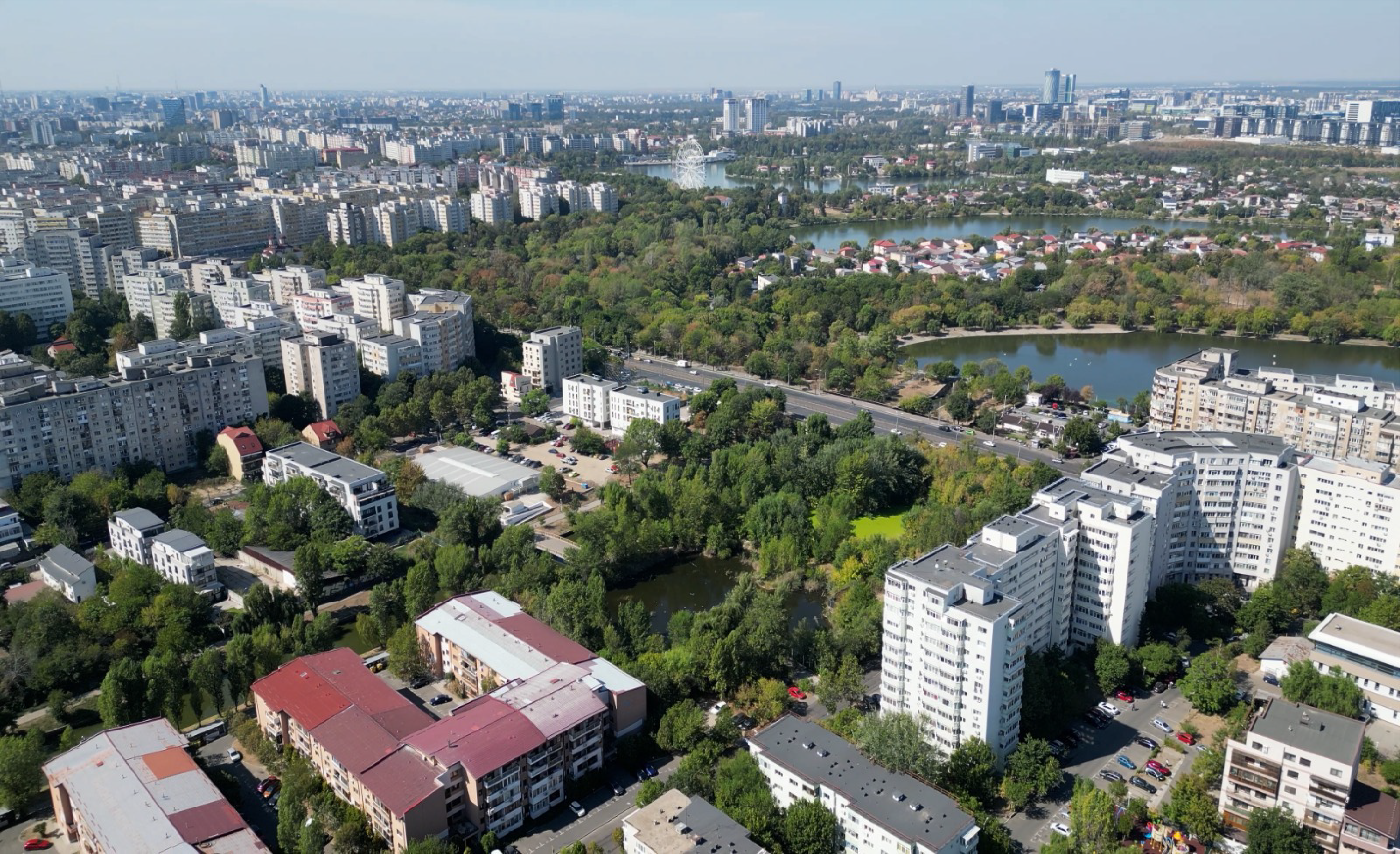

Overview of the Warsaw Net Zero Cities Mission
The Warsaw Net Zero Cities Mission is part of the EU Mission for 100 Climate‑Neutral and Smart Cities by 2030, coordinated under Horizon Europe. Warsaw was selected among 112 cities in April 2022 and has produced a Climate City Contract (CCC) that includes an Action Plan, Investment Plan, and Commitments document. The mission focuses on two pilot districts—Praga‑Południe and Ursynów—to demonstrate an 80 % reduction in greenhouse‑gas emissions by 2030.
Baseline Emissions and Reduction Targets
In 2018 Warsaw emitted 12.5 million tCO₂e city‑wide, with stationary energy accounting for about 73 % and transport for roughly 25 %. The two pilot districts together emitted 1.88 million tCO₂e. To meet the CCC goal, emissions must be cut by approximately 1.6 million tCO₂e, distributed across buildings and heating (517 000 tCO₂e), electricity (881 000 tCO₂e), transport (190 000 tCO₂e), waste (6 000 tCO₂e) and other sectors (6 000 tCO₂e).
Green Building Standards and Policy Instruments
The CCC builds on the Green Vision for Warsaw (GCCAP) adopted by the City Council in 2023, which sets a city‑wide 40 % reduction target by 2030 and climate neutrality by 2050. A central tool is the Warsaw Green Building Standard, which defines energy‑efficiency, renewable‑energy, rain‑water management and green‑space requirements for new and renovated municipal buildings. Complementary measures include a Municipal Photovoltaic Development Fund, subsidies for replacing high‑carbon heating systems, and investments in biogas infrastructure.
Sustainable Transport and Mobility Plans
Warsaw operates a highly developed public‑transport network (buses, trams, two metro lines, urban rail) used by 45‑55 % of residents daily. The Sustainable Urban Mobility Plan (SUMP) aims to halve transport emissions by 2030 relative to 2019. Key actions involve expanding cycling routes (currently 772 km), electrifying the bus fleet, developing electric‑vehicle charging networks and creating a Clean Transport Zone.
District Heating and Energy Transition
The city possesses the largest district‑heating network in the EU (1 865 km), serving nearly 80 % of residents. Heat production remains heavily reliant on coal and natural gas. Decarbonisation of the two main combined‑heat‑and‑power plants—Siekierki and Żerań—is critical, with strategic partnerships with energy producers and grid operators identified to lower the carbon intensity of heat and electricity.
Governance, Stakeholder Coordination, and Networks
The Air Protection and Climate Policy Department, established in 2019, coordinates the mission. An interdisciplinary Climate Team chaired by the Mayor links city departments, while a Transition Team of internal units and external stakeholders (business, academia, civil society) oversees CCC development and implementation. Warsaw’s Mayor participates in the EU Cities Mission Mayors Advisory Group. The city also engages in broader frameworks such as the Climate Change Adaptation Strategy (2019), Environmental Protection Programme, #Warsaw2030 Development Strategy, and spatial planning instruments.
International Partnerships and Future Replication
Warsaw is a member of C40, EUROCITIES, Covenant of Mayors and ICLEI, and participates in the Horizon‑funded NEEST project piloting deep‑energy‑renovation solutions in Praga‑Południe. Successful measures from the two pilot districts are intended to be replicated across all 18 Warsaw districts, contributing to pan‑European sustainable housing and climate‑neutral city goals.