Overview of the Dublin District Heating Initiative
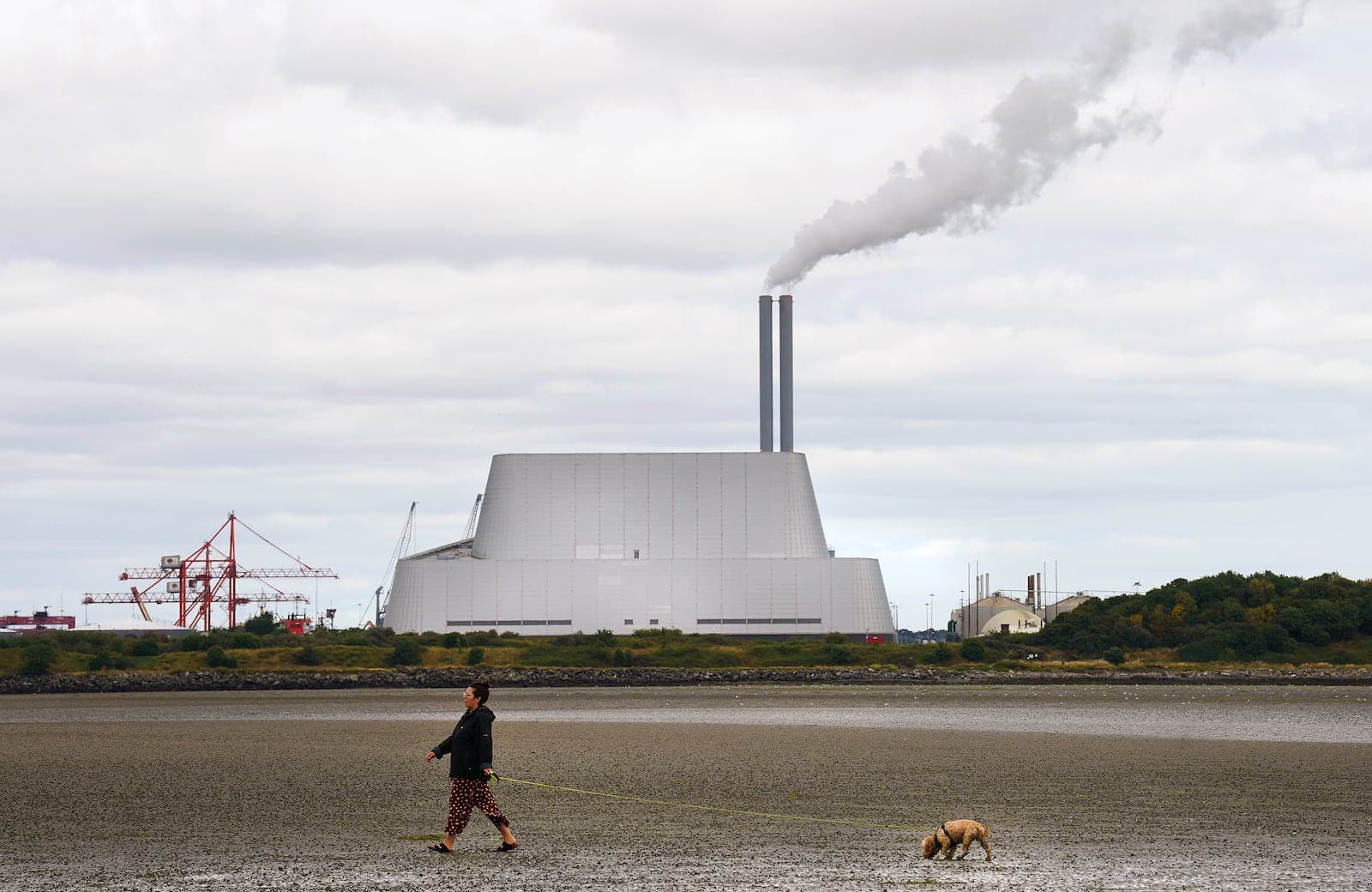
The Irish Times article reports on the latest phase of Dublin’s district heating project, focusing on the plan to transport excess heat from the Poolbeg incinerator to residential areas in the Docklands via a new pipeline beneath the River Dodder. The piece is part of a larger series documenting the project’s progress, delays, and policy context. It was submitted automatically by the SCH profile routine and is catalogued under the city/dublin §lighthouse‑projects collection.
Technical Details of the Heat‑Piping Scheme
The scheme involves laying insulated pipelines under the Dodder River to convey low‑temperature heat generated by the Poolbeg waste‑to‑energy plant. The plant, operational since 2017, has a capacity of approximately 600 MW of thermal energy, of which a substantial share has remained unused due to the absence of a distribution network. The new pipeline will connect to a network of heat exchangers serving multiple Docklands housing blocks, allowing residents to replace conventional gas heating with renewable district heat.
Expected Energy and Environmental Benefits
According to the article, the connection is projected to supply heat to roughly 1,200 homes, reducing annual natural‑gas consumption by an estimated 30 GWh. This translates into a CO₂ emissions cut of about 12,000 tonnes per year, supporting Dublin’s climate‑action targets and the EU’s Green Deal objectives. The initiative also aims to improve local air quality by diverting waste‑heat usage away from fossil‑fuel‑based boilers.
Project Timeline and Historical Context
The district heating concept for Dublin dates back to the early 2010s, but the project stalled for a decade due to funding, planning, and regulatory hurdles. After renewed political commitment in 2023, the “Part 8” stage—referring to the final design and construction phase—was launched in early 2026. The article notes that the pipeline construction is scheduled to begin in Q4 2026, with commissioning expected by mid‑2027.
Stakeholders and Governance Structure
Key participants include Dublin City Council, the national utility firm that operates Poolbeg, and a consortium of private developers responsible for the Docklands housing. The project is publicly funded, with additional EU cohesion‑fund contributions earmarked for sustainable infrastructure. The Irish Times, a leading national newspaper, provides independent reporting, while the content is flagged as not AI‑generated.
Economic Implications for Residents
The district heating service will be offered at a regulated tariff, estimated to be 15 % lower than current gas rates for comparable heat output. Savings are expected to improve housing affordability, especially for low‑income households in the Docklands. The article also mentions potential job creation during the pipeline installation phase, estimating 80 temporary construction positions.
Broader Significance for Sustainable Urban Development
The Poolbeg heat‑piping project exemplifies circular‑economy principles by converting waste‑derived energy into usable heat for residential buildings. It aligns with pan‑European efforts to decarbonise heating, a sector responsible for roughly 40 % of the EU’s energy‑related emissions. The initiative serves as a model for other cities seeking to integrate waste‑to‑energy assets into district‑heating networks, contributing to the EU’s 2030 climate goals.