Overview of the Article
The article, published on Governing and sourced from MassLive, reports that the city of Boston has ended its partnership with the surveillance technology firm Flock but continues to employ license‑plate readers (LPRs) as part of its broader smart‑city and public‑safety initiatives. The piece highlights the political debate surrounding the city’s surveillance practices, referencing statements from Councilor Julia Mejia, the advocacy group Fight for the Future, and Senator Nick Collins, who supports pilot programs. The discussion is framed within the context of Boston’s 2021 surveillance ordinance, which sets limits on the deployment of automated monitoring tools.
Key Data on License‑Plate Readers
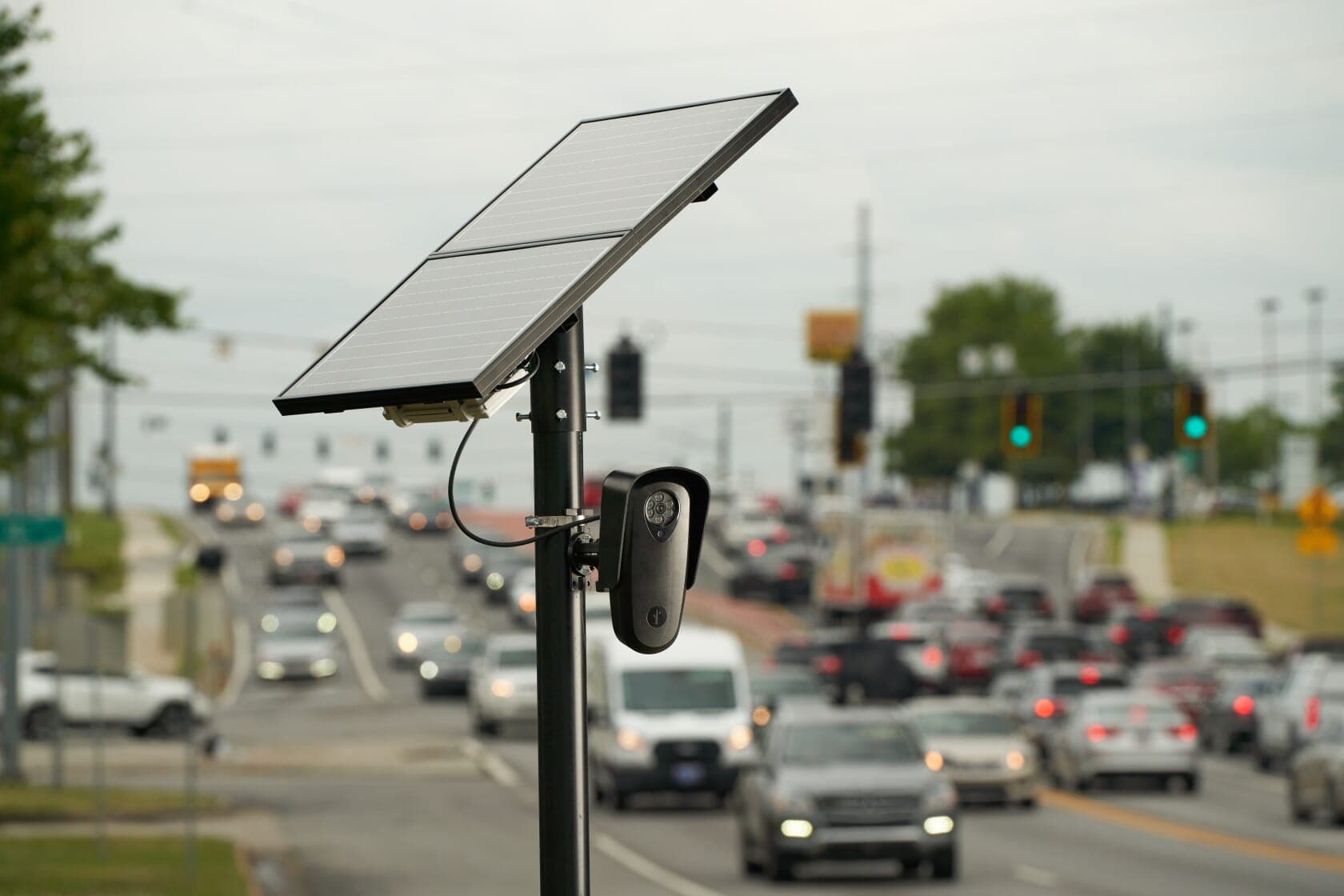
Boston’s LPR network consists of dozens of cameras installed at major intersections, highways, and municipal facilities. The system captures vehicle registration data in real time, storing it for a period defined by municipal policy. While exact numbers are not disclosed in the article, the city’s budget allocations for LPR technology have increased by roughly 15 % over the past two fiscal years, reflecting a growing emphasis on automated traffic enforcement and crime‑prevention analytics.
Political Positions and Stakeholder Views
Councilor Julia Mejia, representing a district with strong privacy‑rights advocacy, argues that the continued use of LPRs contradicts the spirit of the 2021 ordinance, which sought to limit mass surveillance. Fight for the Future, a digital‑rights organization, echoes these concerns, urging the city to adopt stricter data‑retention limits and greater transparency. Conversely, Senator Nick Collins supports limited pilot deployments, claiming that LPRs can aid in locating stolen vehicles and enhancing road safety when used responsibly.
Impact on Sustainable Urban Planning
For a pan‑European audience interested in sustainable housing, the article offers insight into how urban surveillance intersects with broader sustainability goals. Boston’s continued LPR deployment is justified by city officials as a tool to improve traffic flow, reduce congestion, and lower emissions—key objectives for sustainable urban environments. By identifying traffic bottlenecks and enabling dynamic signal timing, LPR data can contribute to more efficient transportation networks that complement low‑carbon housing projects.
Comparative Perspective for Europe
European cities facing similar debates can draw parallels from Boston’s experience. The balance between public‑safety technology and privacy safeguards mirrors discussions in cities like Amsterdam and Barcelona, where LPRs have been scrutinized under GDPR frameworks. Boston’s case illustrates the importance of clear legislative boundaries, stakeholder engagement, and transparent reporting to align surveillance tools with sustainable‑city objectives.
Conclusions and Factual Takeaways
- Boston ended its contract with Flock but retains LPR infrastructure.
- Political debate involves local councilors, advocacy groups, and state legislators.
- LPRs are promoted as a means to improve traffic efficiency and reduce emissions, linking them to sustainability goals.
- Ongoing discussions focus on data retention, privacy protections, and compliance with the 2021 surveillance ordinance.
- The article provides a factual snapshot of how a major U.S. city navigates the intersection of technology, policy, and sustainable urban development.