Loading...

Country
Portugal
Population10.7M
Renting25.5%
Cooperative0.4%
Social/Public3.5%
Portugal's smart city story begins not with a grand national plan but with something more characteristically Portuguese: improvisation, openness, and the conviction that a small country on Europe's Atlantic edge can punch well above its weight. Over little more than a decade, Lisbon has transformed from a charming but economically bruised capital into one of Europe's most watched urban innovation laboratories — and national policy is now racing to spread that momentum far beyond the capital's seven hills.
The shift accelerated after 2016, when Web Summit Innovation Ecosystem relocated to Lisbon, drawing tens of thousands of technologists annually and embedding the city in global startup circuits. But the deeper current is institutional. Portugal's National Smart Cities Strategy, developed with EU reform-support funding, frames smart cities not as a technology project but as "territorial intelligence" — linking data, citizen participation, and municipal capacity across a country where 308 municipalities range from dense Lisbon to depopulating interior villages. The country's €16.6 billion Recovery and Resilience Plan (PRR) channels significant investment into digital public services, green transition, and administrative modernisation, while the INCoDe.2030 programme tackles the digital skills gap that remains Portugal's most stubborn constraint: roughly 56 per cent of adults possess only basic digital skills, below the EU average.
A Government That Codes — and a Capital That Experiments
Lisbon's municipal government has been unusually hands-on. The CML - Câmara Municipal de Lisboa (CML) established Lisboa Inteligente as a dedicated smart city coordination unit, and the city's open-data portal now publishes hundreds of datasets spanning mobility, energy, and urban planning. Alongside it, the LX Data Lab provides a controlled environment where researchers and startups can work with municipal data under strict governance rules — a pragmatic response to growing concerns about data protection in sensor-rich urban environments.
At the national level, the government has consolidated leadership in digital transformation, expanding e-government services that already rank among Europe's most advanced. Portugal's digital identity infrastructure and interoperability frameworks have drawn praise from the OECD, though critics note that investment has concentrated in Lisbon and Porto while smaller municipalities lack the technical staff to implement smart solutions. The OECD's 2025 report on "shrinking smartly and sustainably in Portugal" highlights the tension between coastal dynamism and interior demographic decline, urging that digital tools be deployed to manage shrinkage as much as growth.
Political continuity has helped. Smart city and digital policy have survived successive governments with broad cross-party support, though the current administration faces pressure to demonstrate that digital investment translates into tangible improvements in housing, transport, and public services — areas where Lisbon residents, in particular, feel the strain of rapid growth and tourism saturation.
Where Startups, Research, and Utilities Converge
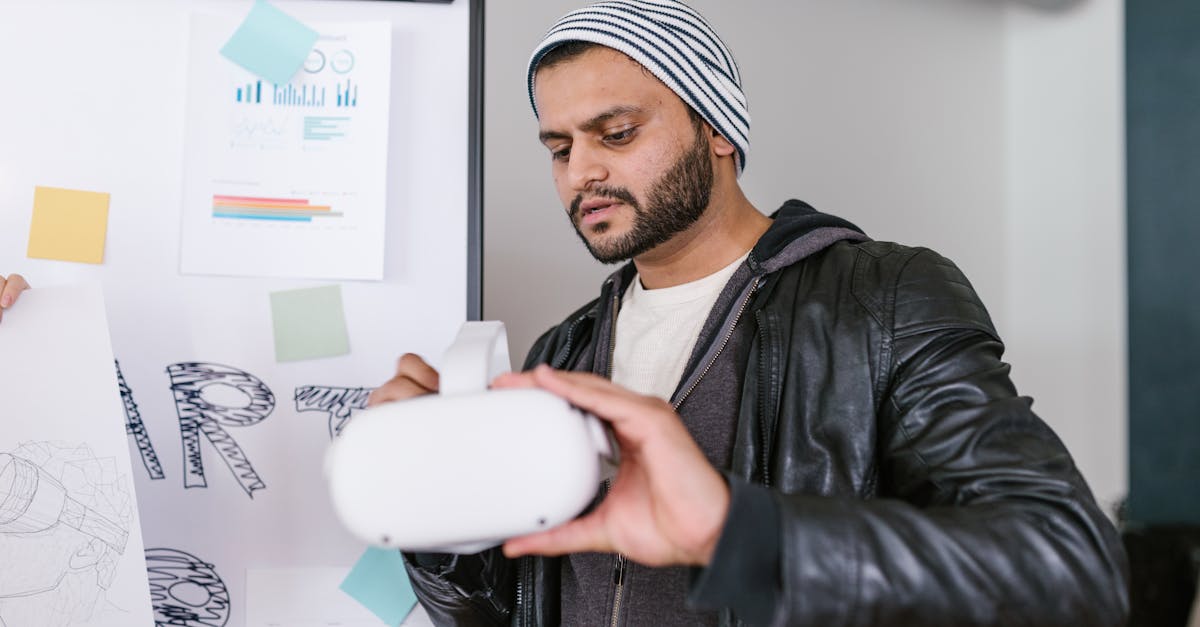
Portugal's innovation ecosystem is compact enough that its key actors frequently collide. Beta-i, a Lisbon-based innovation consultancy, runs the Smart Open Lisboa (SOL) programme, which pairs municipal challenges with startup solutions in structured open-innovation cycles — a model that has since been adopted by other European cities. Startup Lisboa and Fábrica de Startups provide early-stage incubation, while the Beato Creative Hub — a former military complex repurposed as an innovation district — anchors the Unicorn Factory initiative, which aims to produce Portugal's next generation of billion-dollar companies.
On the research side, the LNEC - Laboratório Nacional de Engenharia Civil (LNEC) contributes infrastructure resilience expertise, and the Lisbon Council — a Brussels-based but Portugal-connected think tank — shapes European policy debate on urban innovation. Major utilities and telecoms play an active role: Portugal's early 5G rollout and fibre-optic coverage provide the connectivity backbone that many smart city applications require.
Pedro Tavares, writing for the Centre for European Policy Analysis, captures the paradox neatly: "Portugal has all the ingredients of a digital powerhouse — world-class coders, progressive regulation, a government that actually uses the tools it promotes — yet a persistent digital skills gap keeps the broader population from fully sharing the gains."
The Global Federation of Competitiveness Councils has observed the same magnetic pull, noting that "every innovator is going to Lisbon" — drawn by low costs, quality of life, and a regulatory environment that treats experimentation as a feature, not a risk.
From Bike Lanes to Data Dashboards — Real Deployments on the Ground
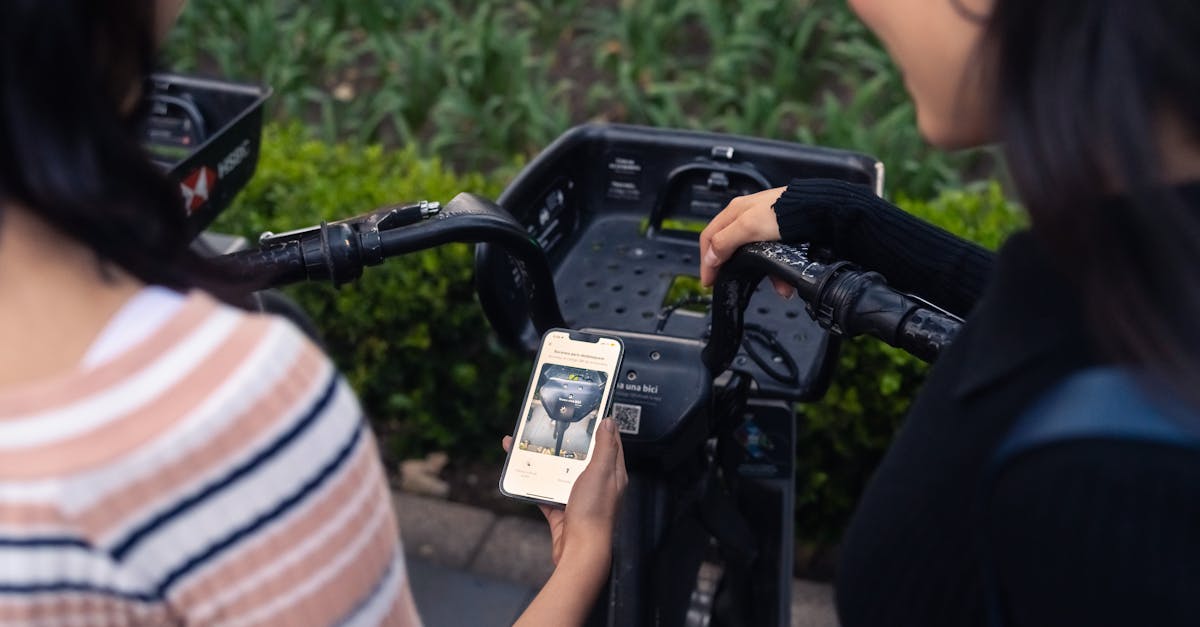
The Sharing Cities - EU Smart City Project Lisbon project, an EU Horizon 2020 lighthouse initiative, used Lisbon as one of three demonstrator cities for integrated energy, mobility, and data solutions. Its legacy includes retrofitted buildings in the Penha de França neighbourhood, shared electric mobility infrastructure, and — crucially — a replicable data management framework that other Portuguese municipalities have begun to adapt.
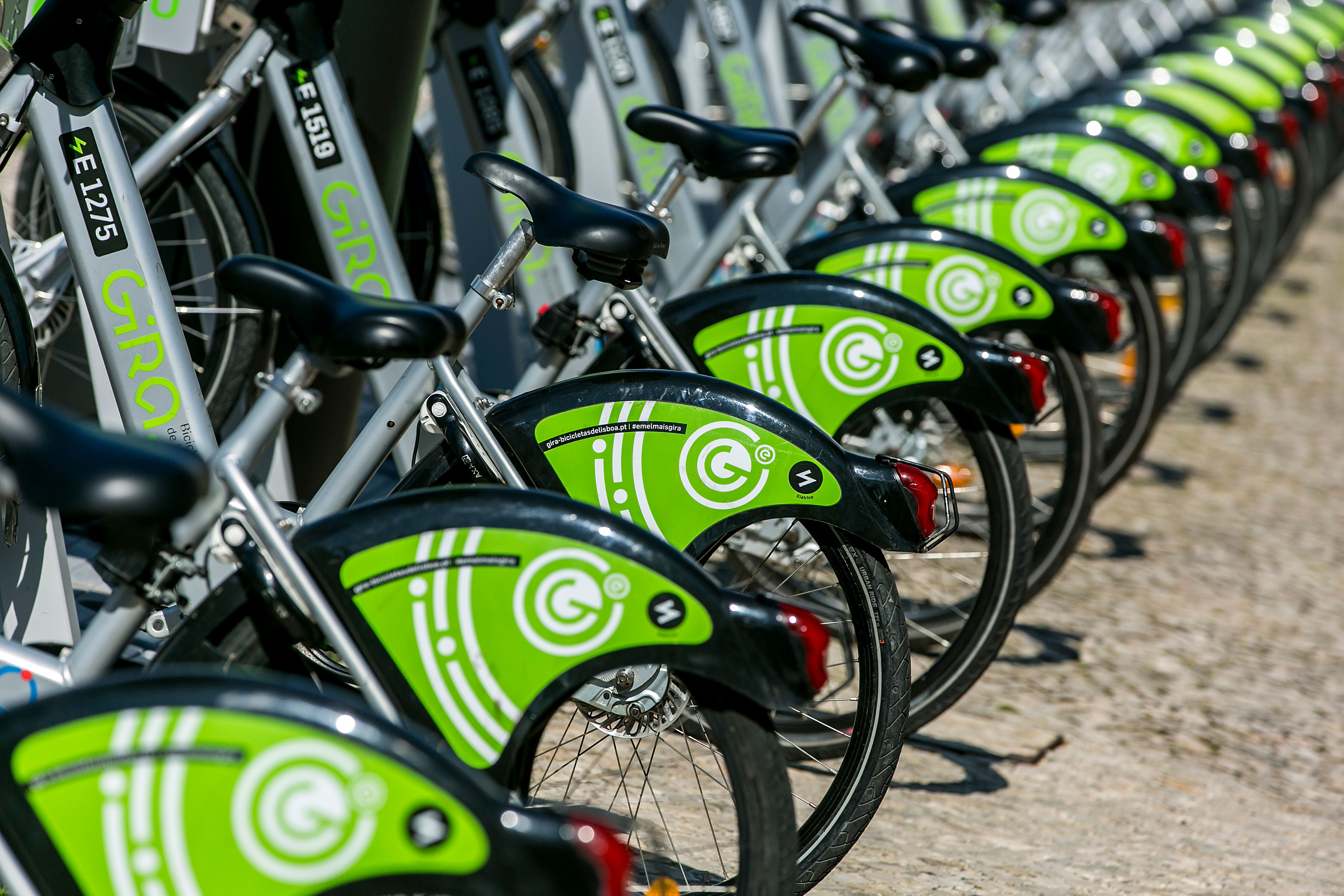
Lisbon's GIRA - bicicletas des Lisboa, operated as a public-private partnership, now covers most of central Lisbon with electric and conventional bicycles, and has become a visible emblem of the city's sustainable mobility push. The Lisbon Green Corridors project extends the logic further, weaving cycling infrastructure, urban greening, and stormwater management into linear parks that double as climate-adaptation infrastructure. Lisbon's recognition as European Green Capital 2020 and winner of the EU's iCapital innovation award validated these efforts internationally.
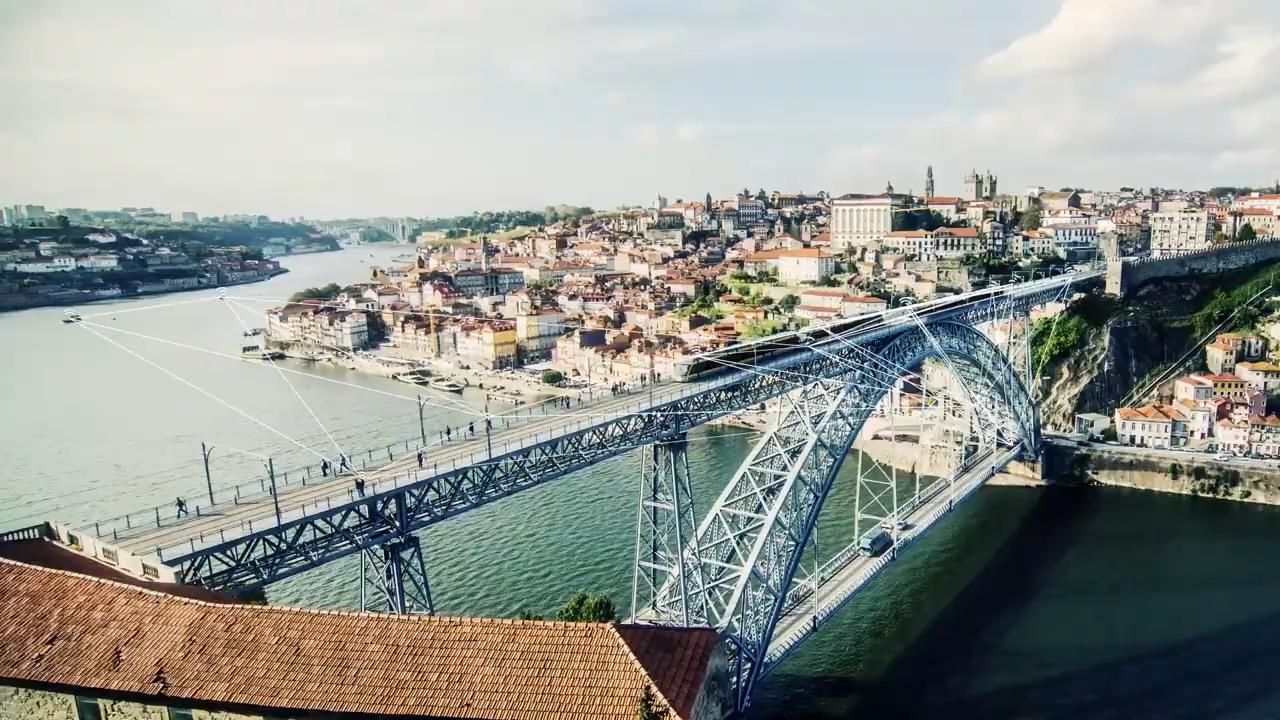
Portugal's proptech and urbantech sectors are growing quickly. Sensei, a Lisbon-born AI company, applies computer vision to autonomous retail — a technology with clear smart-building applications. Veniam, originally a Porto spin-off, builds mesh networks for connected vehicles and has deployed systems in multiple cities worldwide. Feedzai, a fraud-detection unicorn, demonstrates that Portuguese AI talent can compete at global scale. And Unbabel, with its AI-powered translation platform, reflects the country's instinct for bridging language barriers — an asset in a continent of 24 official languages.
Yet the picture is not uniformly rosy. A 2024 study published in ScienceDirect found a significant perception gap among Portuguese citizens: while officials tout dashboards and open data, many residents remain unaware of the smart city services available to them. Digital-rights advocates have raised questions about sensor deployment and surveillance creep in public spaces, and Lisbon's municipal data-governance framework — however progressive on paper — is still being tested by the pace of new deployments.
Lisbon's annual Innovation Summit and the ever-expanding Web Summit 2025 keep the city on the global conference circuit, but increasingly the conversation is about what happens between the keynotes: the slow, unglamorous work of connecting municipal IT systems, training civil servants, and building citizen trust.
ICLEI Europe has highlighted Lisbon's circular construction pilot as a model for how smart city logic can extend beyond digital into material flows — reclaiming demolition waste for new social housing and reducing the carbon footprint of a city that is building faster than at any time in recent memory.
The Pastel de Nata Test — Where the Smart City Meets the Street
Where do ordinary Lisbonites actually feel the smart city? Perhaps most tangibly in the GIRA stations that now dot every neighbourhood, the real-time bus-arrival displays powered by municipal open data, or the Lisboa Aberta portal where residents can track planning applications and environmental indicators. In the Mouraria quarter, one of Europe's most diverse neighbourhoods, community-led digital inclusion projects connect elderly residents with telehealth services — a small but telling deployment in a country that is ageing fast.
And then there is the pastelaria. Portugal's café culture — the unhurried morning bica and pastel de nata ritual — is not merely charming folklore; it is, as many residents will tell you, the original social infrastructure. In a country where much of life still happens face to face, the smart city's greatest test is whether it can enhance that conviviality rather than replace it. As one Lisbon urbanist told The Guardian: "We don't want to become a city of apps. We want the technology to give people more time to sit in the sun."
It is a sentiment that captures Portugal's approach: enthusiastic about digital tools, pragmatic about their limits, and determined that innovation should serve the rhythm of everyday life rather than the other way around.
References16 resources9 external
Resources
Project
Sharing Cities - EU Smart City Project Lisbon
Smart lampposts, EV chargers, retrofitted buildings cut energy use, engaging thousands of residents.
Organisation
Veniam
Develops mesh Wi‑Fi networks turning vehicles into mobile data hubs for smart cities.

Organisation
Lisbon Council
Researches digital economy and smart city policies, delivering evidence-based EU urban innovation.

Organisation
Sensei
AI-powered autonomous retail enabling checkout‑free, frictionless shopping across urban stores using computer vision.

Organisation
Startup Lisboa
Incubates early-stage startups, offering workspace, mentorship, investor access, and urban tech focus.

Organisation
Feedzai
AI-powered real-time fraud prevention platform securing digital payments for smart cities global

Organisation
LNEC - Laboratório Nacional de Engenharia Civil
Advances smart engineering research for resilient, sustainable urban infrastructure and climate adaptation.

Organisation
Unbabel
AI-driven translation platform enabling multilingual communication for smart cities and enterprises worldwide.

Organisation
CML - Câmara Municipal de Lisboa
Drives Lisbon's smart, sustainable transformation via digital innovation and mobility solutions.
Organisation
Beato Creative Hub
Transforms historic military site into vibrant innovation campus for proptech, urbantech, sustainability.

Organisation
Web Summit Innovation Ecosystem
Annual tech conference fostering Lisbon's smart-city ecosystem, startups, and global investment networking.
Project
GIRA - bicicletas des Lisboa
1,600 bikes—including 500 e‑bikes—use AI demand prediction and solar‑powered docks across Lisbon.

Organisation
Beta-i
Connects corporations and startups to develop smart city solutions across Europe.

Organisation
Fábrica de Startups
Accelerates early-stage urban tech startups via mentorship, workspace, corporate partnerships, and investors.

Event
Web Summit 2025
Tech professionals, entrepreneurs, investors, and policymakers gathering to explore AI, climate, smart cities, fintech.

Project
Lisbon Green Corridors
Links city centre to hidden green oases, cuts heat, boosts biodiversity, adds natural drainage.
External Sources
National Smart Cities Strategy Factsheet: Portugalreform-support.ec.europa.euPortugal Consolidates Leadership in Digital Transformationportugal.gov.ptPortugal: Europe's Best-Kept Digital Secretcepa.orgShrinking Smartly and Sustainably in Portugaloecd.orgSmart Open Lisboabeta-i.comLisbon Innovation District: Beato / Unicorn Factoryatlasofurbantech.orgSharing Cities: Lisbonsharingcities.euThe Reason Why Every Innovator Is Going to Lisbonthegfcc.orgLisbon Champions Circular Construction for a Sustainable Urban Futureiclei-europe.org