Helsinki
The City That Opens Everything
Helsinki does not merely use open data — it has made openness the organising principle of its entire smart city programme. In a country where trust in public institutions ranks among the highest in Europe, Finland's capital of 684,000 inhabitants has built a smart city model rooted in radical transparency: open data by default, open APIs for mobility, open 3D city models available to anyone, and an innovation company owned by the city whose sole purpose is to help others experiment in Helsinki's streets.
The results speak for themselves. In 2024, Helsinki was recognised as having the best digital twin and the most sustainable smart mobility in the world — twin accolades that reflect a city where digital infrastructure and climate ambition have become inseparable. Helsinki's target is carbon neutrality by 2030 — five years ahead of the Finnish national target — with carbon zero by 2040 and carbon negativity thereafter. The city's emissions reduction plan requires cutting direct emissions by at least 80% compared to 1990 levels, with the remaining 20% compensated. These are among the most aggressive climate targets of any European capital.
Carbon Neutrality as a Design Brief
Helsinki's political leadership has framed the smart city not as a technology programme but as a delivery mechanism for climate targets. The Carbon-neutral Helsinki Action Plan, first adopted in 2018 and updated in subsequent years, identifies 147 concrete actions across energy, transport, construction, procurement, and consumption. The city's emissions have already fallen significantly — heating emissions dropped sharply after the municipal energy company Helen began phasing out coal, closing the Hanasaari coal plant in 2023 and committing to coal-free district heating.
The 2021 City Strategy accelerated these targets, bringing the carbon neutrality deadline forward from 2035 to 2030. Crucially, it also required the city to "pay more attention to reconciling housing construction and natural values" — acknowledging the tension between Helsinki's rapid growth (the city is building approximately 7,000 new homes annually) and its environmental commitments. Smart city technology, in this framing, is not about gadgets but about managing these trade-offs with better data and more transparent decision-making.
In 2025, the council adopted the 2025–2029 Helsinki City Strategy under the title "A Helsinki we can be proud of", organised around five strategic priorities and five operational cornerstones — and translating the climate and digital ambitions of the previous strategy into a much more explicit work programme on liveability, equality and quality public services.
Helsinki has also become a significant voice in international climate networks. The city is a member of the Carbon Neutral Cities Alliance (CNCA) and participates in the EU's NetZeroCities programme, sharing its experiences with municipalities across Europe that are struggling to translate ambitious targets into operational reality.
Forum Virium: The City's Own Innovation Lab
At the centre of Helsinki's smart city ecosystem sits Forum Virium Helsinki, an innovation company wholly owned by the City of Helsinki. Forum Virium's role is unique in Europe: it does not build technology itself but creates the conditions for others to test innovations in a real urban environment. "We focus a lot on collaboration with incubators and accelerators, local funders, and with the city's entrepreneurial services," explained Torppa in Computer Weekly. "The core function is to provide testing opportunities for companies and developers who are looking to achieve something sustainable."
Forum Virium operates as a bridge between the City of Helsinki's administrative machinery and the startup ecosystem, running programmes in smart mobility, energy innovation, circular economy, and citizen participation. It is a member of Climate-KIC, the EU's largest climate innovation initiative, and coordinates Helsinki's participation in multiple Horizon Europe projects. For Forum Virium, 2025 was a year of partnership — eight steps toward a smarter Helsinki that focused on smooth mobility, data-driven services, and scaling innovations from pilots to permanent city operations.
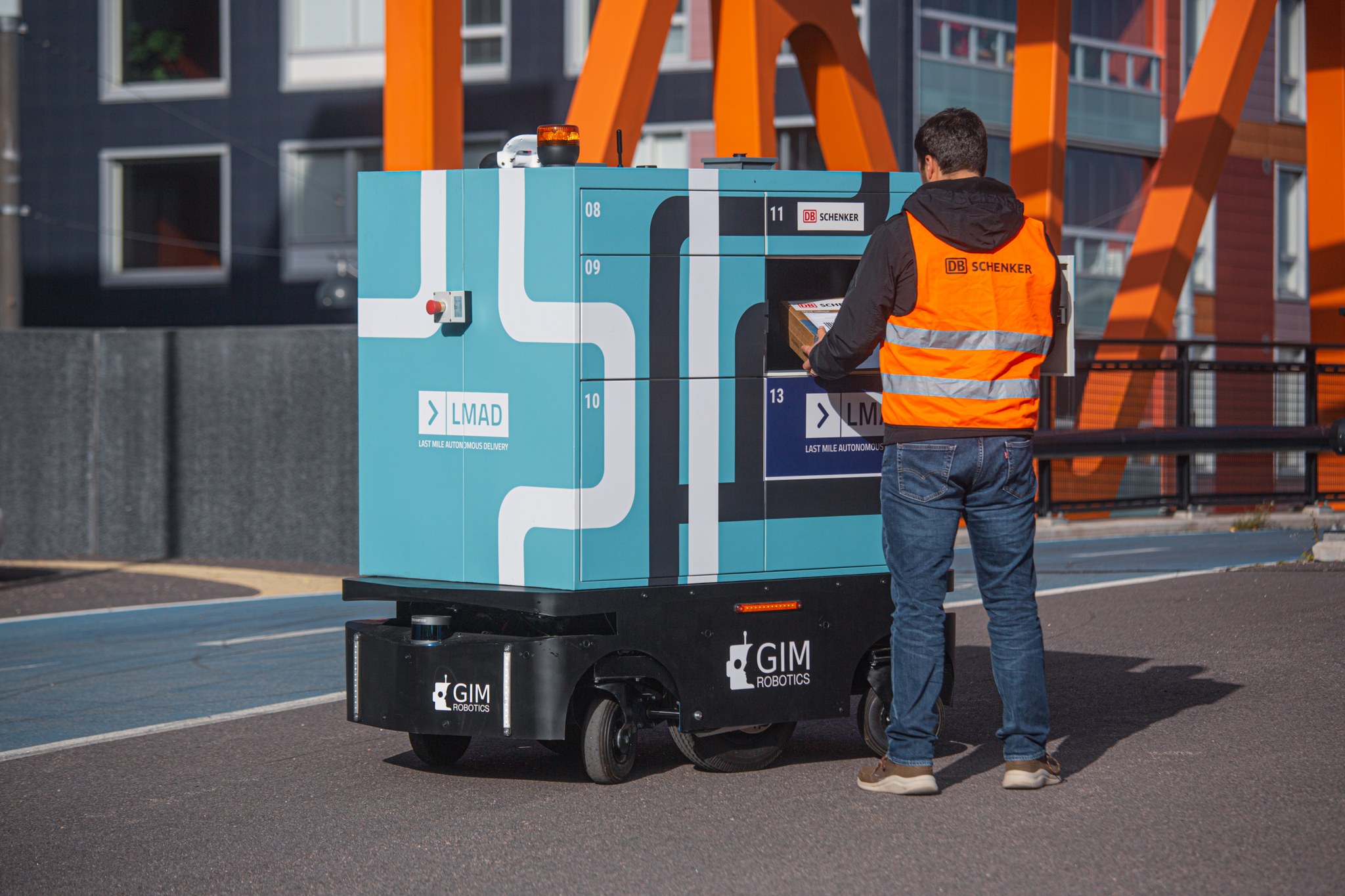
The Mobility Lab Helsinki testbed, run jointly by Business Helsinki and Forum Virium, promotes smart mobility innovation by offering companies real urban environments in which to develop new solutions. Its Mobility Data Catalog collects relevant datasets to support the development of smart mobility services and ensure continuity after innovation experiments — addressing the common criticism that smart city pilots evaporate once funding ends.
Urban Tech Helsinki — Smart Cities Incubator, an incubator programme supporting startups and research teams developing clean urban technology, complements Forum Virium's work by focusing specifically on early-stage ventures. The programme supports innovations addressing urban challenges from energy efficiency to waste reduction, contributing to Helsinki's goal of becoming the world's most functional city.
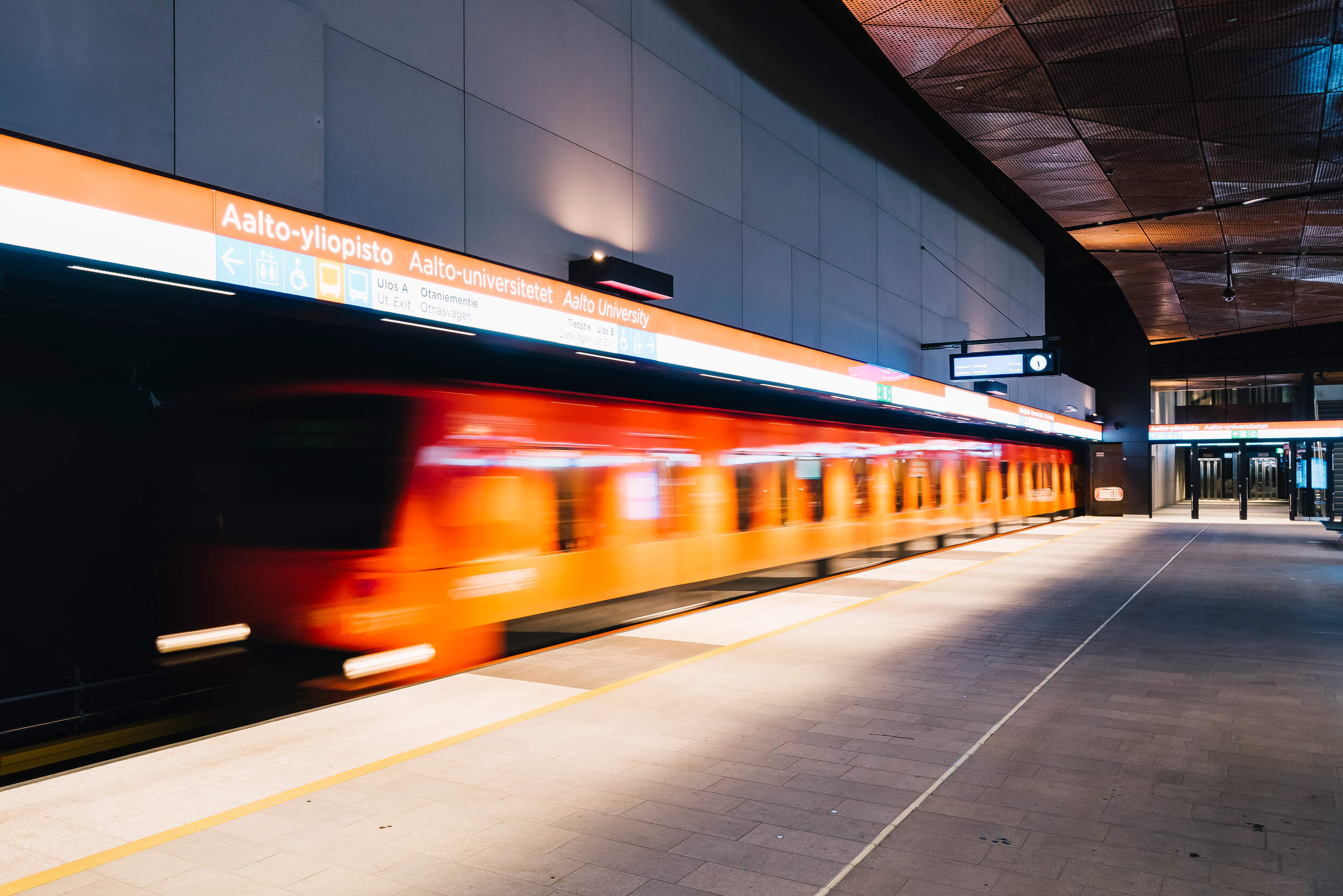
Aalto University — Urban Systems Research, Finland's leading multidisciplinary institution, provides the research backbone. Its urban systems research combines architecture, engineering, and business to address complex urban challenges, feeding a steady stream of research talent and spin-offs into Helsinki's innovation ecosystem. The university's campus in Espoo, connected to Helsinki by metro, is itself a testbed for smart building technologies and energy innovation.
A Digital Twin the World Copied
Helsinki's most celebrated technical achievement is Helsinki 3D+, the city's digital twin — a virtual rendering of Helsinki's built environment, infrastructure, and changing conditions that has been recognised as the world's best city digital twin. The €1 million project produces detailed 3D models incorporating building information, infrastructure details, and environmental metrics, all published as open data.
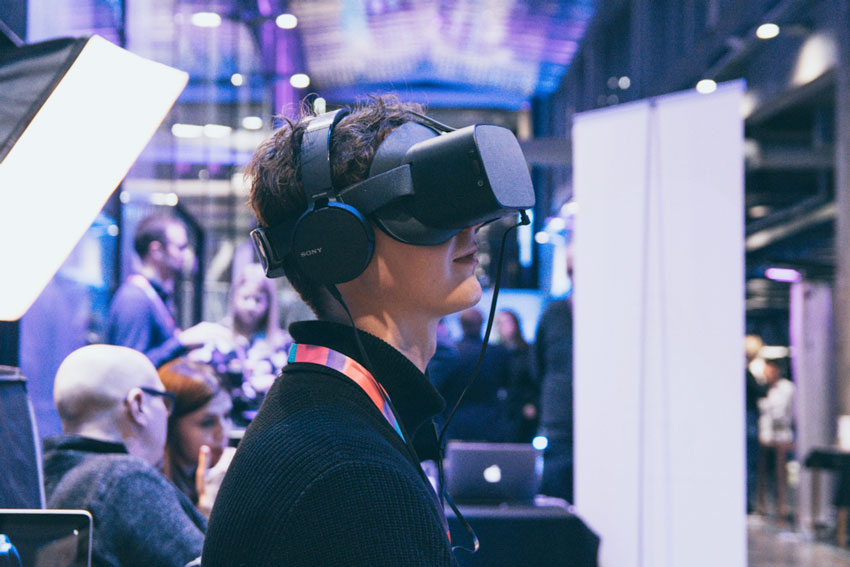
What makes Helsinki 3D+ exceptional is not just its technical sophistication but its accessibility. The entire model is publicly available for anyone to download, analyse, or build upon. Developers use it to create augmented reality applications. Architects simulate how new buildings will affect wind patterns and sunlight. Energy planners model heat loss across entire neighbourhoods. The city has transformed its 3D data pipeline into a fully automated, always up-to-date system — shifting from manual updates to nightly automated refreshes that keep the digital twin synchronised with the physical city.
In November 2025, Helsinki hosted the City Digital Twins Summit Helsinki 2025, organised by Helsinki XR Center at Metropolia University of Applied Sciences, connecting Finland's growing digital twin ecosystem — municipalities, technology providers, research partners, and public sector organisations. Finnish cities including Helsinki, Espoo, and Tampere have been pioneers in 3D city modelling for energy planning, traffic simulation, and citizen participation, and the summit positioned Finland as a European leader in this rapidly evolving field.
Helsinki was chosen as the European Capital of Smart Tourism in 2019, recognising how the city uses data-driven decision-making, digitalisation, and new technologies to enhance the visitor experience. The city aims to be "the smartest and most functional tourism destination in the world" — a characteristically Finnish blend of ambition and understatement.
Saunas, Sensors, and the Functional City
To experience Helsinki's smart city, start at Löyly — the award-winning public sauna on the Hernesaari waterfront, where timber architecture meets the Baltic Sea and where the building's energy systems are monitored by the same kind of smart infrastructure that tracks energy use across the city. Or open the HSL app and experience Helsinki's multimodal mobility system, widely regarded as one of Europe's most seamless: a single platform that integrates buses, trams, metro, ferries, city bikes, and e-scooters with real-time routing that accounts for weather, disruptions, and personal preferences.
Walk through Kalasatama, Helsinki's smart district built on a former harbour, where 25,000 residents will eventually live in a neighbourhood designed from the ground up around smart energy grids, automated waste collection, and digital services that aim to save each resident one hour per day. Or visit Jätkäsaari, where real-time environmental sensors monitor air quality, noise levels, and traffic patterns in a neighbourhood still under construction — feeding live data back into the planning process so that each new phase benefits from what the previous one taught.
Helsinki's smart city sensibility is inseparable from Finnish culture. The sauna is not merely a wellness trend here — it is a democratic institution where status dissolves and honest conversation flows, a tradition that predates recorded history. That same instinct for equality shapes how Helsinki approaches technology: the digital twin is open because data should belong to everyone; the mobility app integrates all modes because public transport should work for the whole city, not just those who can afford a car; the innovation lab is city-owned because the benefits of smart city innovation should accrue to residents, not only to technology vendors. In Helsinki, the smart city is not a brand. It is a public service — as fundamental, and as Finnish, as the sauna itself.
References4 resources13 external