Loading...
Country
Czechia
Population10.9M
Renting24.2%
Social/Public4.5%
Bridges to a Smarter Future: How Prague Is Wiring a Medieval City for the Digital Age
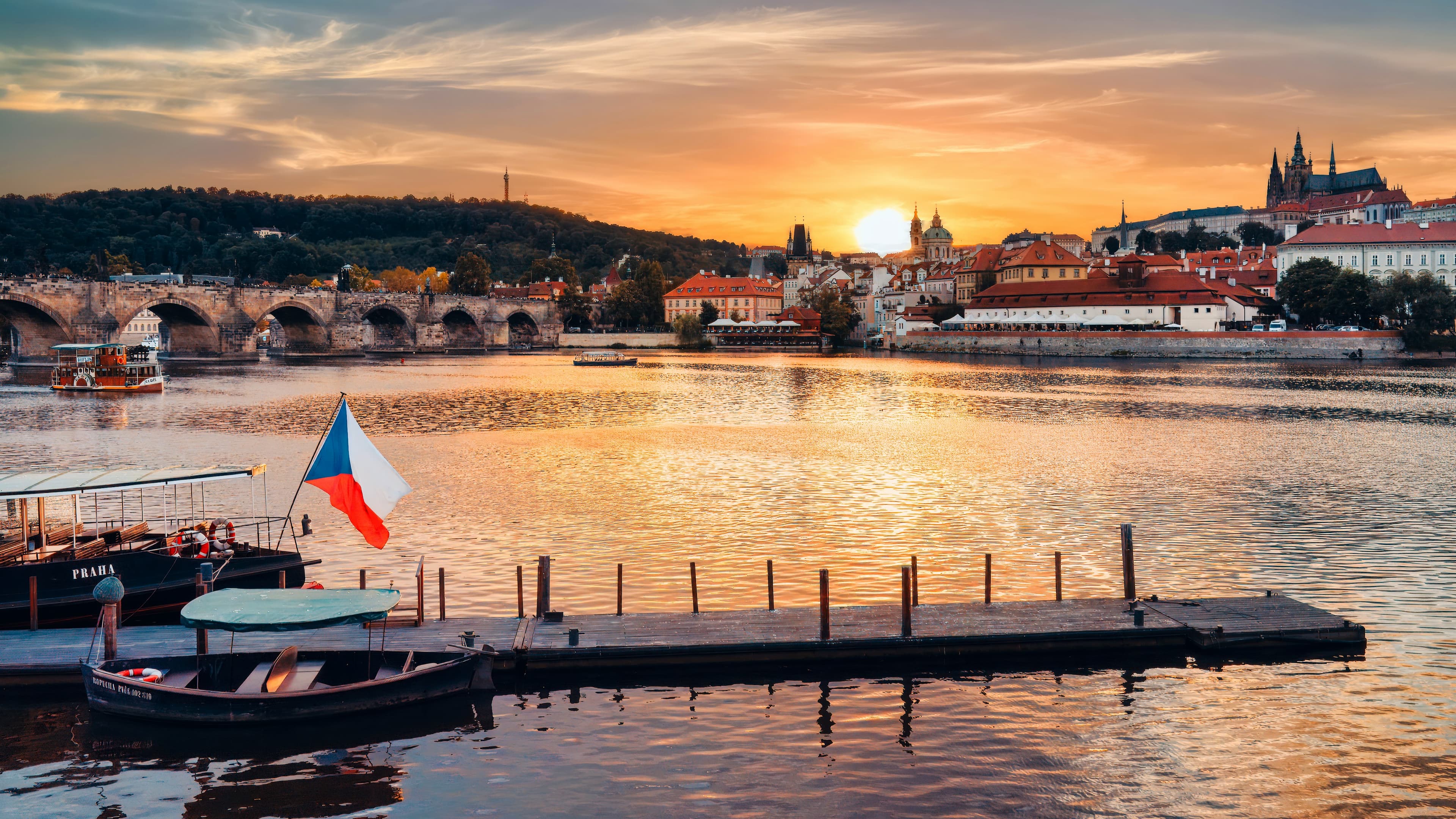
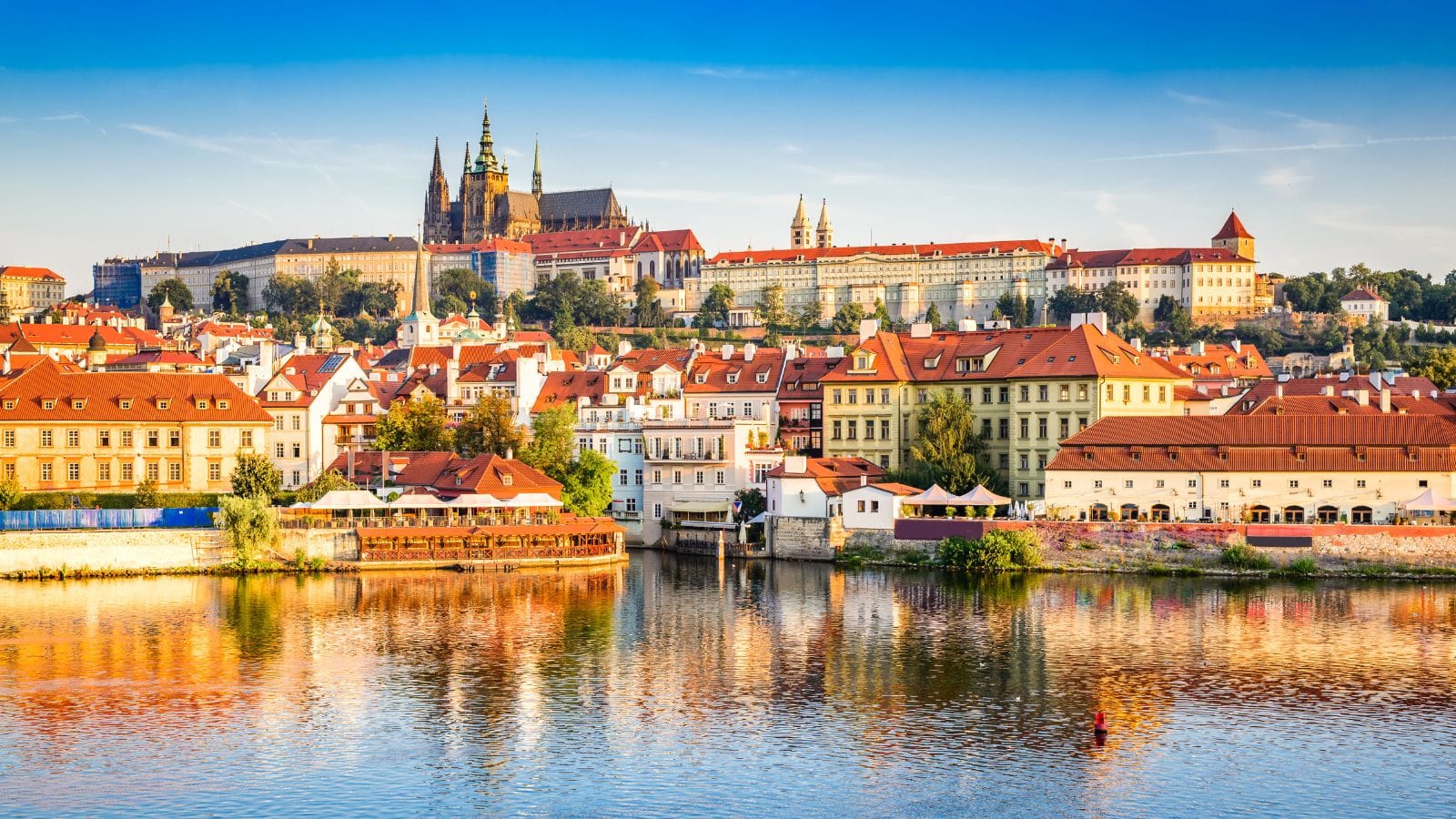
Czechia's smart city ambitions are concentrated, with dazzling intensity, in its capital. Prague — a city of 1.3 million people whose Gothic spires and Baroque palaces draw millions of visitors annually — faces the distinctly modern challenge of layering digital intelligence onto one of Europe's most celebrated historic urban landscapes. The tension between preservation and transformation shapes everything the Czech Republic does in urban innovation, and it is precisely this tension that makes the country's approach worth watching.
The flagship is Smart Prague 2030, the capital's comprehensive smart city strategy coordinated by Operátor ICT Prague, Prague's wholly owned municipal technology company. Structured around six priority areas — smart mobility, smart buildings and energy, smart environment, smart governance, smart people, and smart economy — the strategy represents the most structured smart city framework in Central Europe. Its ambition is clear: "fundamentally and structurally change the city by the means of time-proven innovative technologies," as the strategy's official portal states.
Beyond Prague, Czech cities including Brno, Ostrava, Pilsen, and Hradec Králové have developed their own smart city strategies, often emphasising open data, e-government, and smart services. But it is Prague that commands the resources, the talent, and the international visibility — and it is Prague's successes and failures that define the Czech smart city conversation.
A Municipal Tech Company Runs the Show
Prague's governance model is distinctive in European smart city practice. Rather than distributing digital transformation across multiple departments or outsourcing to consultants, the city channels its smart city agenda through Operátor ICT Prague, a dedicated municipal technology company wholly owned by the City of Prague. This single entity manages the city's data platforms, digital services, IoT sensor infrastructure, and public Wi-Fi network, while coordinating the Smart Prague 2030 strategy across all six priority areas.
The centrepiece of Operátor ICT's work is the Golemio data platform, which aggregates information from transport systems, environmental sensors, energy networks, and municipal services into a unified analytical framework. Named after the legendary Golem of Prague — the mythical clay creature said to protect the city — the platform enables real-time monitoring, predictive analytics, and open data provision. PwC, which supported the platform's design, noted that Prague's earlier pilot projects "were developed and implemented in a fragmented manner" and that the Golemio platform was created to "aggregate the data from a wide set of sensors around the city" and "perform advanced analytics tasks."
On the planning side, IPR Prague — Institute of Planning and Development serves as the city's public research institute for urban development. Its central project, the new Metropolitan Plan, replaces Prague's outdated zoning-based approach with a flexible, character-based planning methodology. IPR maintains sophisticated GIS and data analytics capabilities, managing Prague's comprehensive urban database and developing digital tools for spatial analysis and scenario modelling.
Critical voices note that Prague's smart city governance remains heavily centralised. Municipal district councils sometimes feel excluded from decision-making, and civil society organisations have called for more meaningful citizen participation beyond digital feedback boxes. The country's broader digital transformation also faces headwinds: the European Commission's 2025 Digital Decade Country Report for Czechia acknowledges the country's "strong performance in digital skills and nationwide 5G coverage" but flags that it "still lags in the rollout of very high-capacity networks and the digital transformation of businesses."
From Kafka's City to Startup Hub: The Innovation Ecosystem
Prague's smart city ecosystem draws strength from an unusual combination: a deep engineering tradition inherited from the industrial era, a young and technically skilled workforce, and a startup scene that has grown rapidly since the country's EU accession in 2004.
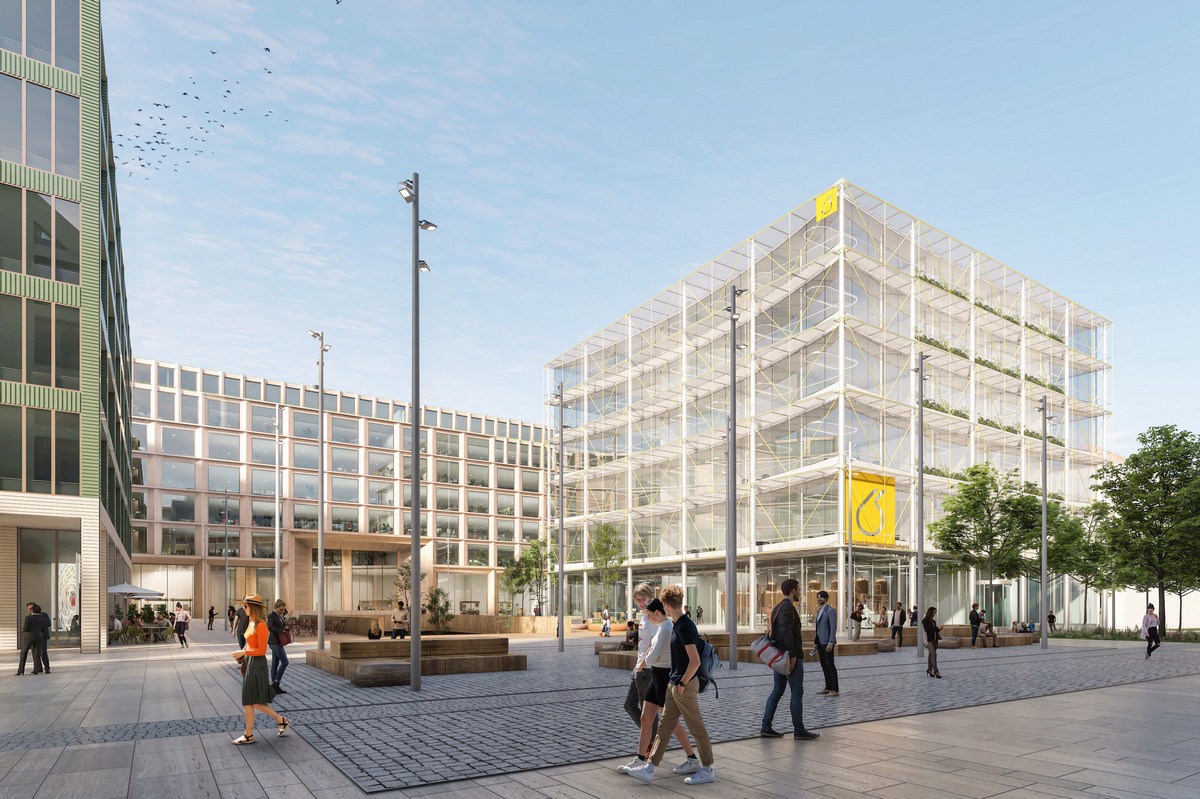
CAMP Prague — Centre for Architecture and Metropolitan Planning, operated by IPR Prague, serves as a bridge between professional urban planning and the public. Located near the Vltava riverfront, CAMP hosts exhibitions, lectures, and workshops on how Prague is changing — from housing and public space to digital urbanism and data-driven planning. Its educational programme, including architecture workshops for children and citizen engagement activities, represents Prague's commitment to transparent, participatory urban governance.
The Czech Technical University in Prague (ČVUT), one of Central Europe's oldest technical universities, provides the research backbone. Its Faculty of Transportation Sciences organises the annual Smart Cities Symposium Prague 2025, bringing together researchers, urban planners, and municipal officials to discuss intelligent transport systems, urban data analytics, and IoT applications. The symposium places particular emphasis on the Central European context, addressing challenges specific to cities in the Czech Republic and the broader region.
Czechia's growing reputation was underscored when the country's national exhibition at the Smart City Expo World Congress in Barcelona — branded "City for the Future" — won recognition as a comprehensive showcase of Czech urban solutions. The US Department of Commerce has noted that "Czechia has made significant advancements in smart city initiatives, leveraging technology to improve urban living and enhance sustainability," with ongoing projects in smart infrastructure, transportation, and environmental monitoring.
The startup ecosystem adds entrepreneurial energy. Prague's innovation data for 2024 shows year-on-year growth in electric vehicles, smart waste bins, and energy monitoring devices — tangible indicators that smart city solutions are moving beyond pilot phase into operational deployment.
Lítačka, Smart Bins, and Digital Feedback: What Prague Has Built
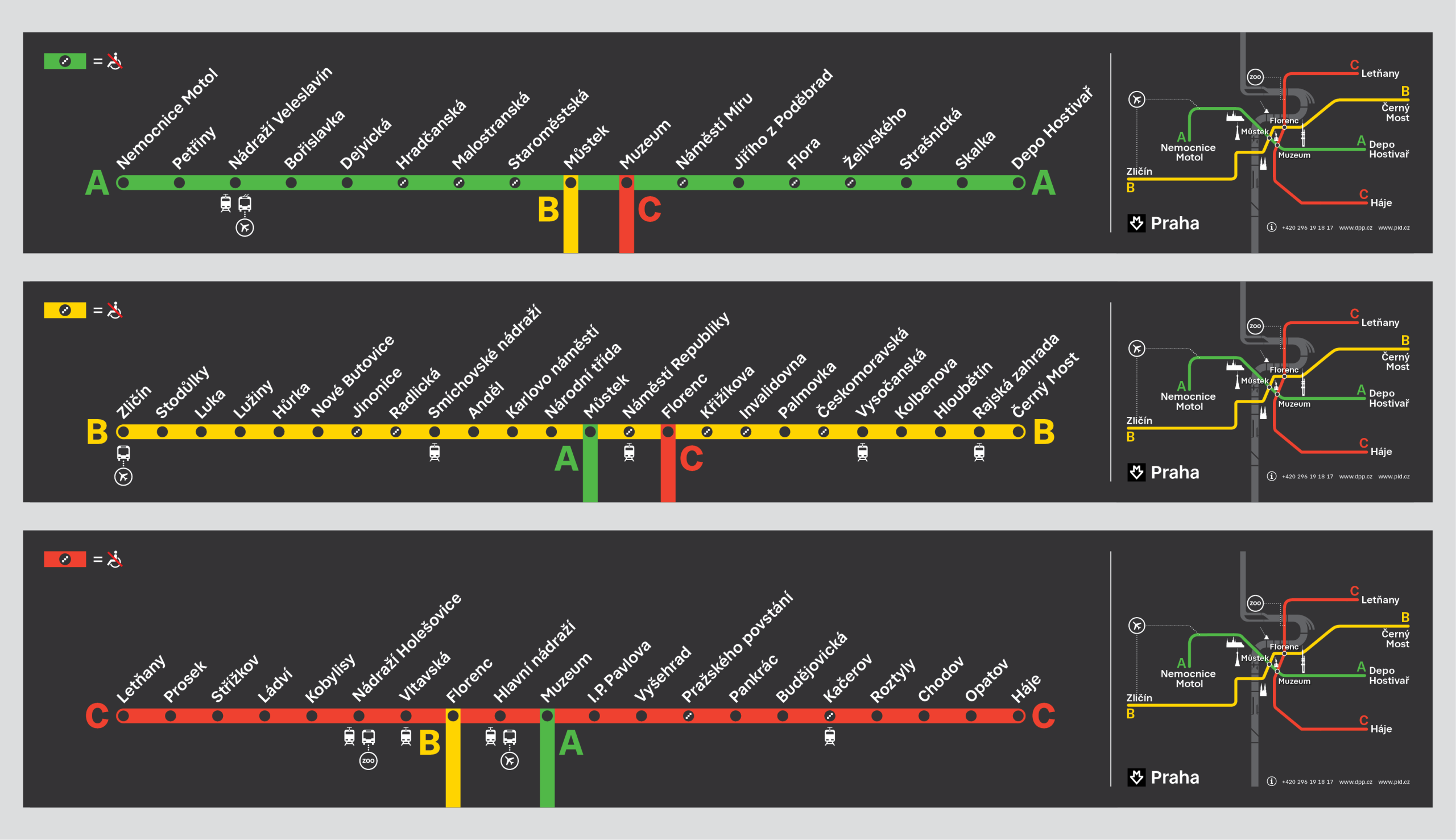
Prague's most visible smart city deployment is Lítačka, the multimodal transport app developed by Operátor ICT that integrates public transport ticketing, bike-sharing, car-sharing, and parking into a single platform. For the millions of residents and visitors who navigate Prague's metro, trams, and buses daily, Lítačka represents the smart city at its most practical: technology that simplifies a daily task without requiring anyone to think about "smart cities."
The Golemio platform powers a growing portfolio of operational applications. Smart waste bins equipped with fill-level sensors optimise collection routes across the city. Air quality monitoring stations feed real-time data into public dashboards. Energy meters in municipal buildings track consumption patterns and identify savings opportunities. Digital feedback boxes, introduced in 2024, allow citizens to engage directly in city development decisions — though critics argue these remain consultation tools rather than genuine co-creation mechanisms.
Prague's approach to smart tourism deserves particular attention given the city's status as one of Europe's most visited capitals. Sensor networks and data analytics help manage visitor flows in the historic centre, addressing the tension between tourism revenue and liveability for residents — a challenge that intensifies each year as tourist numbers recover and exceed pre-pandemic levels.
The CRAFT-Cities EU project has documented how Prague's joint initiatives "foster alignment between technological, aesthetic, and societal dimensions of urban development" — a recognition that in a city as architecturally significant as Prague, smart city solutions must respect the physical and cultural fabric, not merely overlay it.
Beer, Bridges, and Bytes: Where the Smart City Meets the Cobblestones
To experience Prague's smart city in action, open Lítačka on your phone and ride the metro to Karlín — a formerly industrial district that has become Prague's innovation quarter, where co-working spaces and tech startups share streets with craft breweries and renovated industrial buildings. Visit CAMP Prague — Centre for Architecture and Metropolitan Planning near the riverfront to see the Metropolitan Plan exhibition and understand how Prague navigates the extraordinary challenge of planning a 21st-century city within a medieval urban structure. Walk across the Charles Bridge at dawn, when sensors quietly monitor foot traffic and environmental conditions, and the only noise is the Vltava flowing beneath you.
What connects these experiences is something characteristically Czech: pivní kultura — beer culture, yes, but more broadly, a culture of gathering in public spaces, of debating in pubs and parks, of insisting that city life should be convivial and unhurried. Czechs consume more beer per capita than any other nation, and the hospoda (pub) serves a civic function not unlike the Viennese coffeehouse — a place where opinions are formed and neighbourhood life is maintained. Prague's smart city strategy, at its best, serves this same instinct: technology that helps the city work better so that people can spend their time on what matters.
"Prague citizens engage in city development via digital feedback boxes," Smart Prague reported in 2024 — a modest statement, perhaps, but one that captures a city learning to combine its formidable engineering tradition with something harder to code: democratic participation.
References5 resources11 external
Resources
Organisation
Operátor ICT Prague
Implements Smart Prague 2030, managing digital services, data platforms, and smart infrastructure.
Project
Smart Prague 2030
Smart Prague 2030 links data platforms, IoT pilots, and city‑wide sensor networks for greener living.
Event
Smart Cities Symposium Prague 2025
For researchers, planners, and officials to explore smart city technologies and sustainable urban management.

Organisation
IPR Prague — Institute of Planning and Development
Guides Prague's growth through strategic urban planning, GIS, and public engagement initiatives.
Organisation
CAMP Prague — Centre for Architecture and Metropolitan Planning
Public cultural hub offering architecture, urbanism education, exhibitions, and citizen engagement.
External Sources
Smart Prague — Innovations for Better Life in Praguesmartprague.euAbout Smart Praguesmartprague.euBuilding the Smart City of Praguecee.pwc.comCzech Republic — Digital Economytrade.govDigital Decade 2025 Country Report: Czechiampo.gov.czCity for the Futurecityforthefuture.comCRAFT-Cities Impact Stories: Praguecraft-cities.euPrague Innovation Data 2024smartprague.euSmart Cities Symposium Prague 2026akce.fd.cvut.czURBIS The Smart Cities Meetup 2026, Brnoascend-project.euSPACE, the place for Innovationsmartprague.eu